• News Feed
    • All Groups
    • Male
    • Female
    • CS TREASURE SEARCH
    • Mastermind
    • Pacman
    • Tetris
    • Tetris Ranking
    • DIABLO
    • DIABLO II
    • DOOM
    • DOOM II
    • DOS ZONE
    • All site videos
    • My videos
    • Add video
    • All Pages
    • Create new page
    • All Polls
    • All Events
    • My Events
    • Add Event
    • Add File
  • Login Register
    The BEAUTY of ALL ANIMALS and LIVING THINGS
      • Posts
      • Members
      • Group About
      • Files
      • Videos
      • Polls
    Joseph Gatt
    14 hours ago -


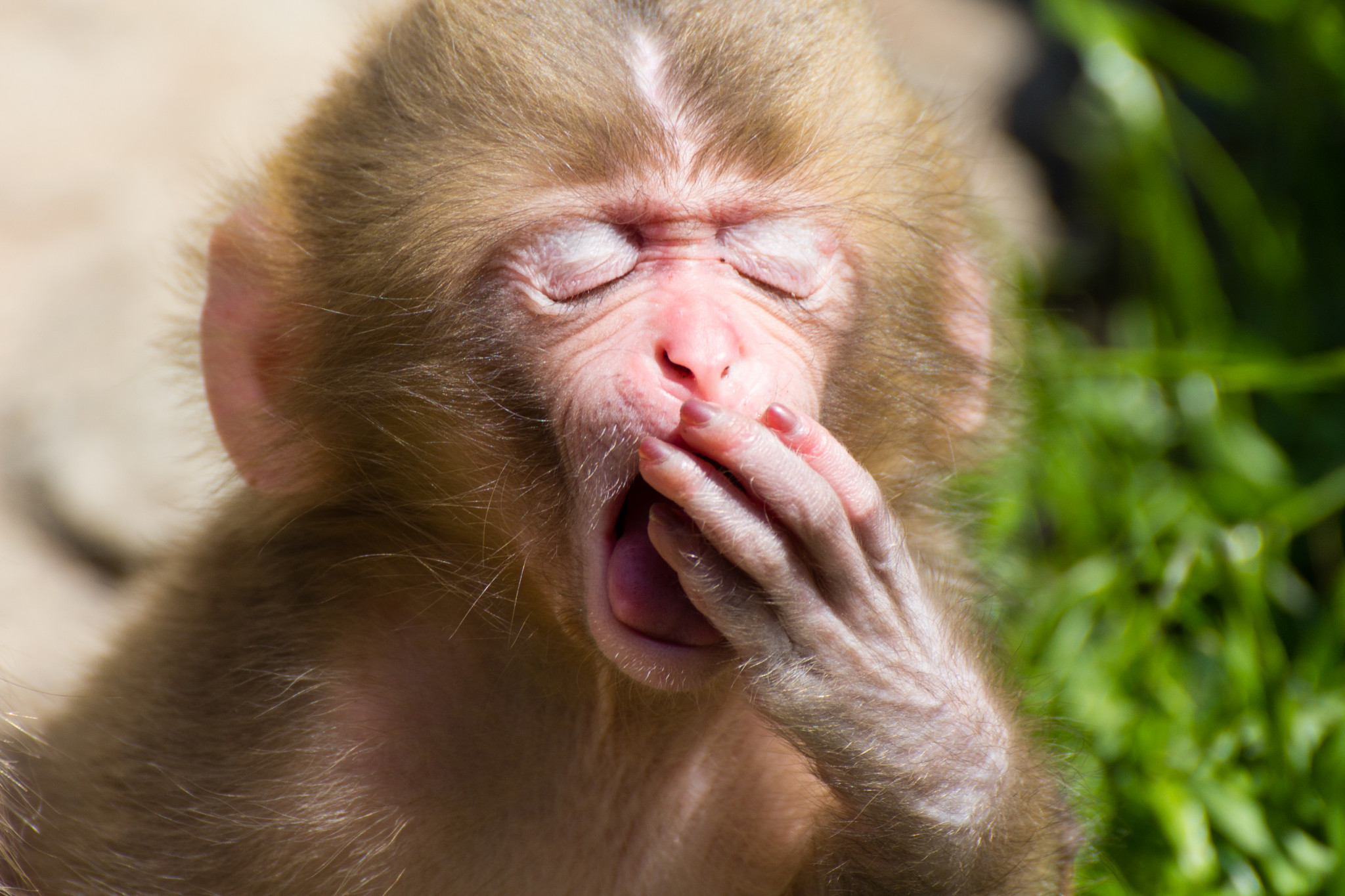
    Japanese macaque (snow monkey) juvenile yawning — in a very human-like manner — at the Jigokudani Monkey Park, in Nagano, Japan.


    Let us take this opportunity to revisit a Japanese macaques (snow monkeys) post made last January, namely: zafoid.com/post/view/12272


    That post featured some Japanese macaques (snow monkeys) enjoying a hot bath at a hot spring, at the same Jigokudani Monkey Park, in Nagano, Japan. However, it turns out that this world-famous practice of soaking in hot springs by the Japanese "snow monkeys", isn't actually an ancient survival instinct. Indeed, before 1963, no macaque had ever set foot in a hot spring!


    The practice actually owes its origins at a traditional guesthouse in the Jigokudani valley, where staff and visitors had been leaving apples to feed the local monkey troop, when a bold young female macaque decided to venture into the guesthouse's outdoor onsen (hot spring) to retrieve an apple that had fallen into the water.


    Whilst retrieving her food, she discovered that the warm water of the Japanese onsen offered a much comfortable relief from the biting winter cold. Soon, other juvenile monkeys began to copy her, and later the adults followed. Because wild primates sharing baths with human guests created hygiene and safety issues, the locals eventually built a separate, monkey-only hot spring nearby, in 1964 .... and this site evolved into the famous Jigokudani Monkey Park.


    This bathing practice is a clear example of animal cultural transmission. The original macaques taught their offspring to bathe, and today, generations of snow monkeys who have never known a time before the baths, continue this endearing tradition. Scientists studying the Jigokudani monkey troop have analyzed their feces and confirmed that bathing significantly lowers their glucocorticoid (stress hormone) levels during the winter — it is indeed a highly effective coping mechanism against the winter cold. Yet, without human provisioning, a dropped apple, and a man-made stone pool, the famous snow monkeys would still be shivering in the trees!


    Information source: www.quora.com/What-animal-behavior-first-thought-to-be-natural-is-later-discovered-to-be-the-result-of-interaction-with-humans/answer/NovaPrism-1


  • Comment
  • Like
  • Share
  • Timmy Walsh
    August 13, 2026, 12:24 am -


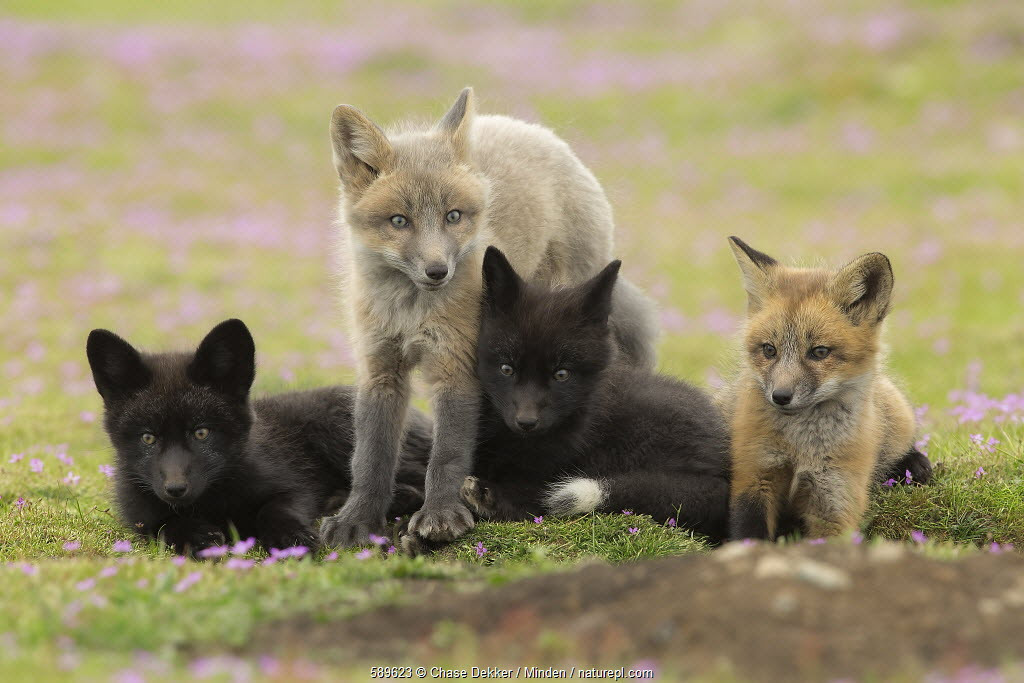
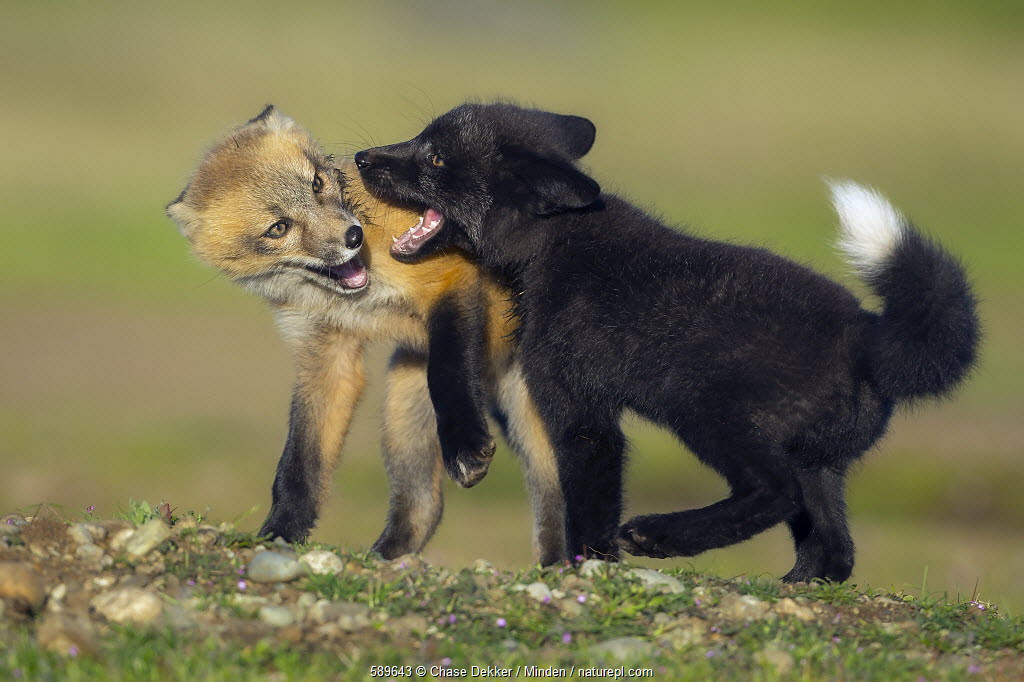
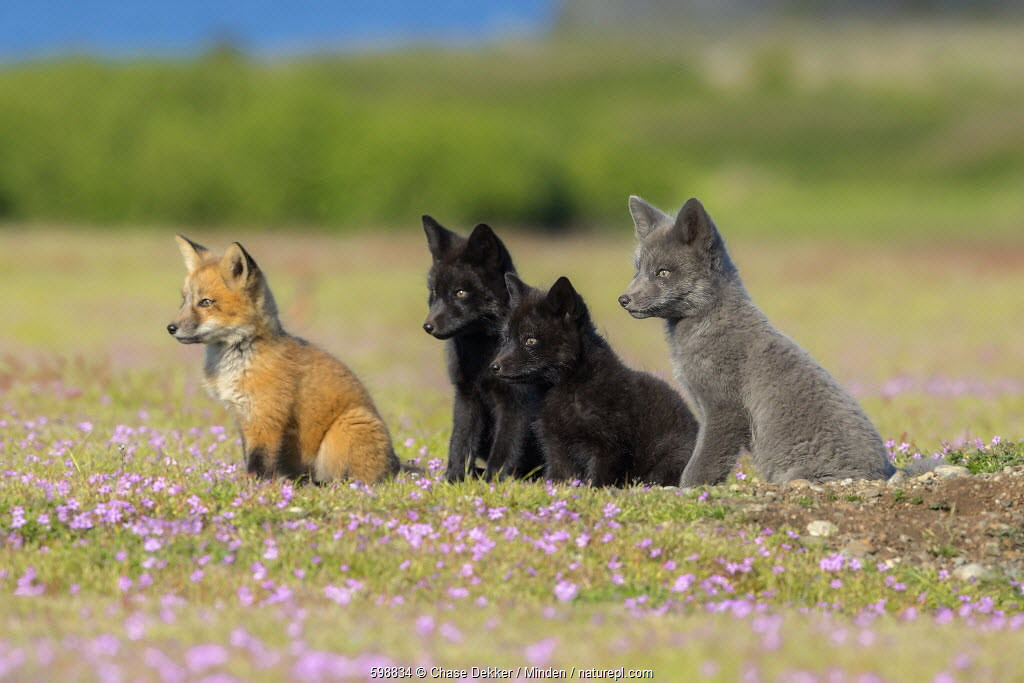
    Despite their very firm, unambiguous sounding name, red foxes actually come in a variety of colours. The main morph (i.e. colour variation) of the red fox is indeed primarily red/orange in colour, and this is the most common type of red fox. However other morphs include black, as well as platinum grey, as can be seen in these images.


    For another post in this group, about morphs, please view: zafoid.com/post/view/11843


    For other posts about foxes, please view:


    zafoid.com/post/view/12599

    zafoid.com/post/view/6692

    zafoid.com/post/view/4100

  • Comment
  • Like
  • Share
  • Joseph Gatt
    August 6, 2026, 6:02 pm -


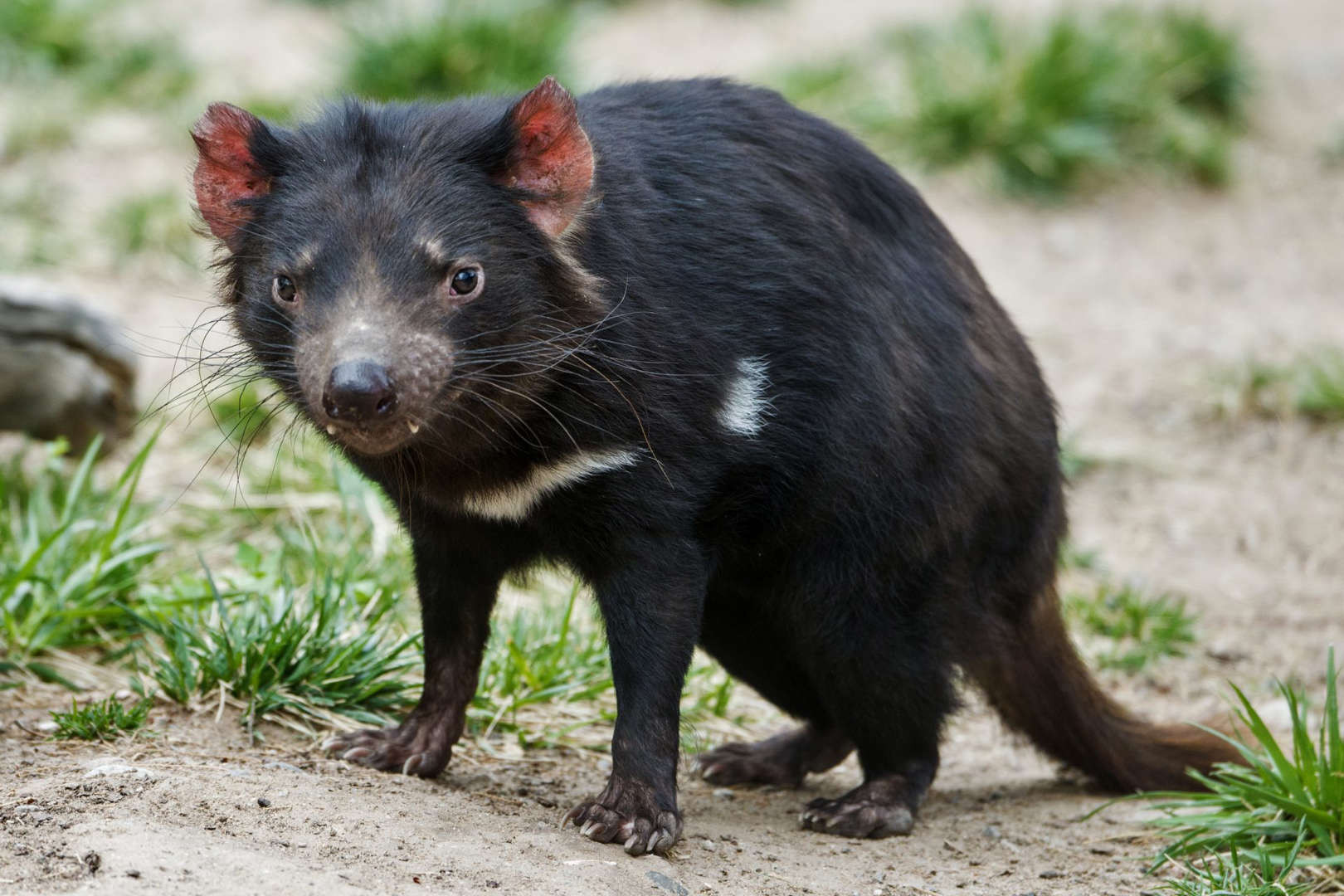
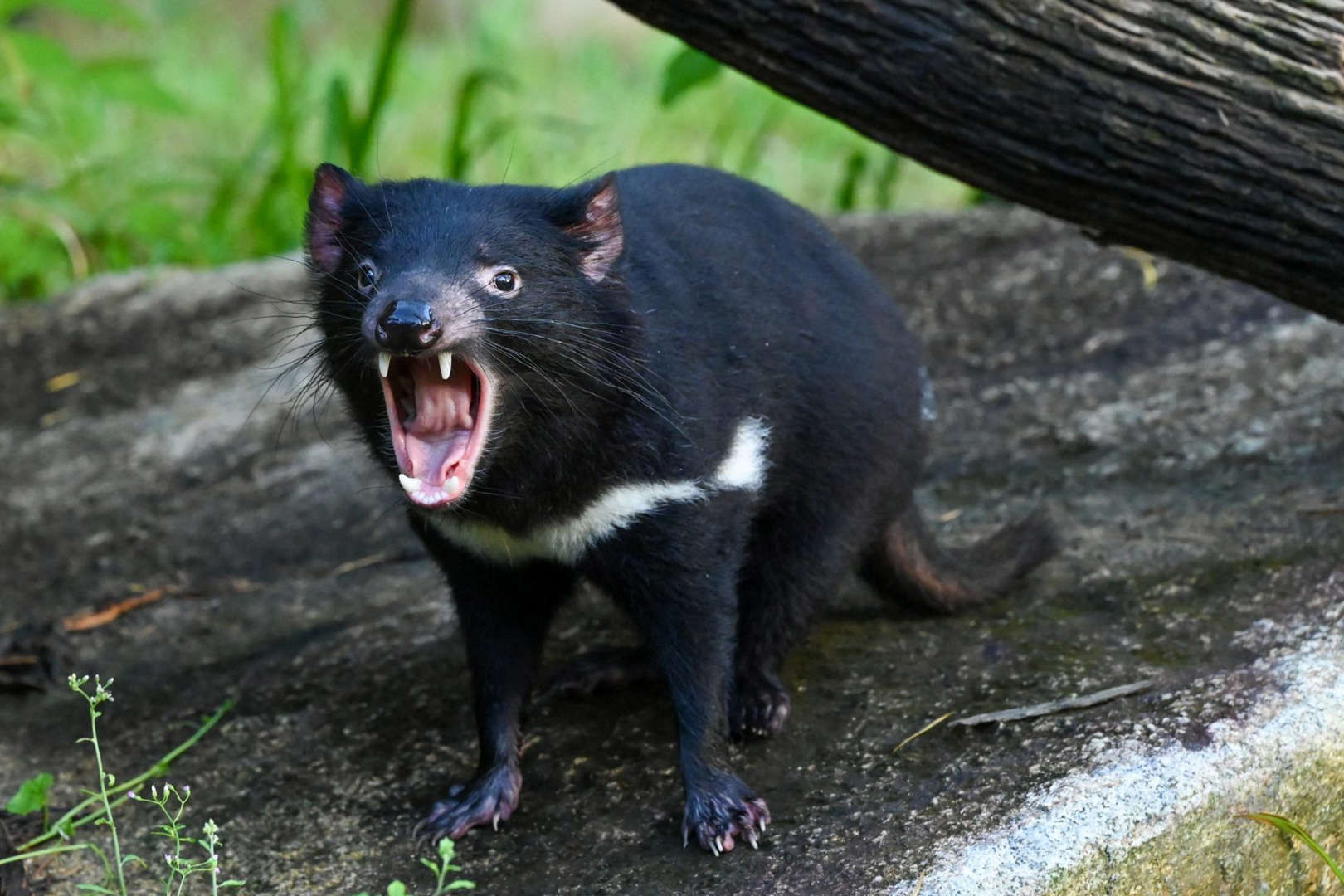
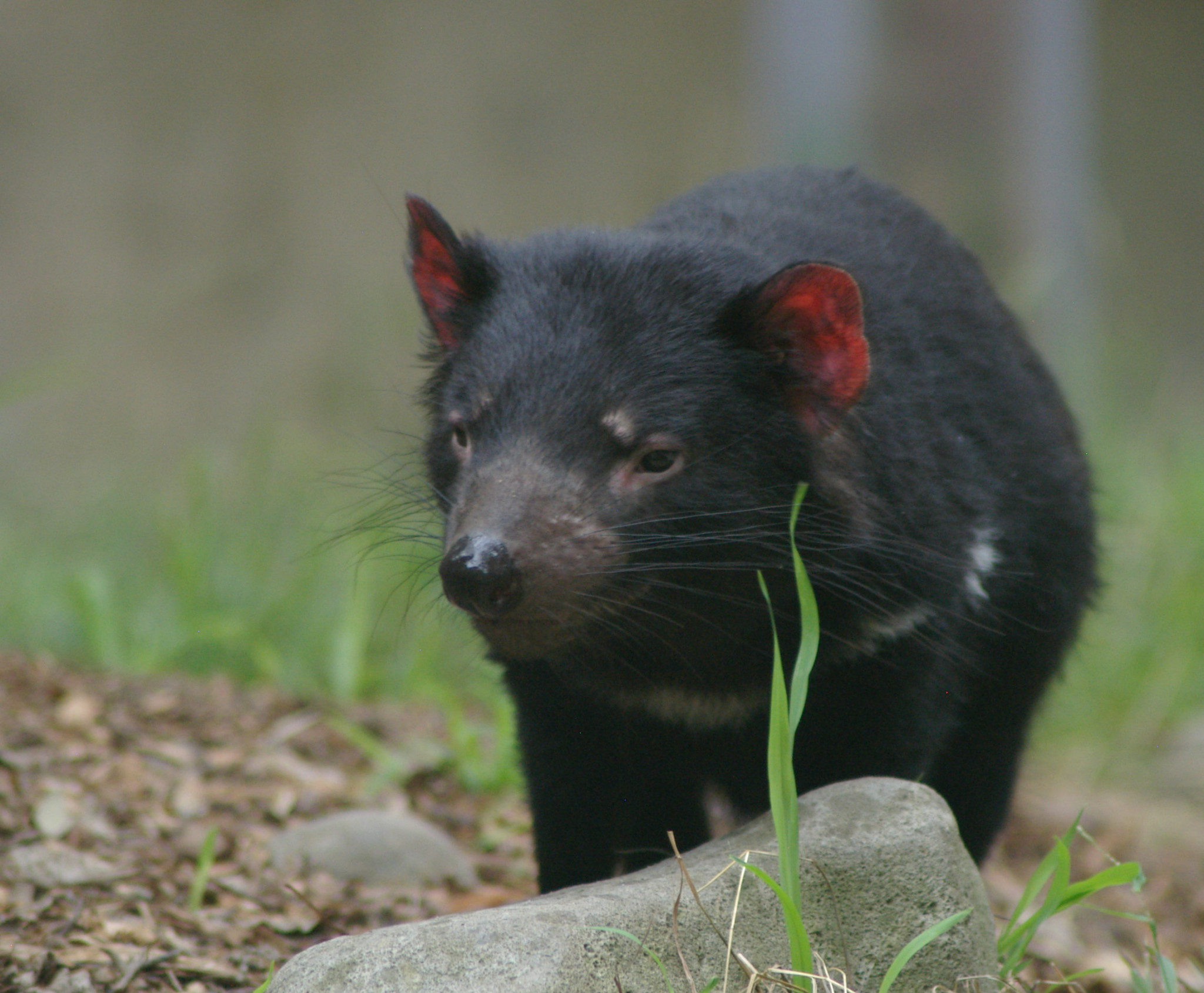
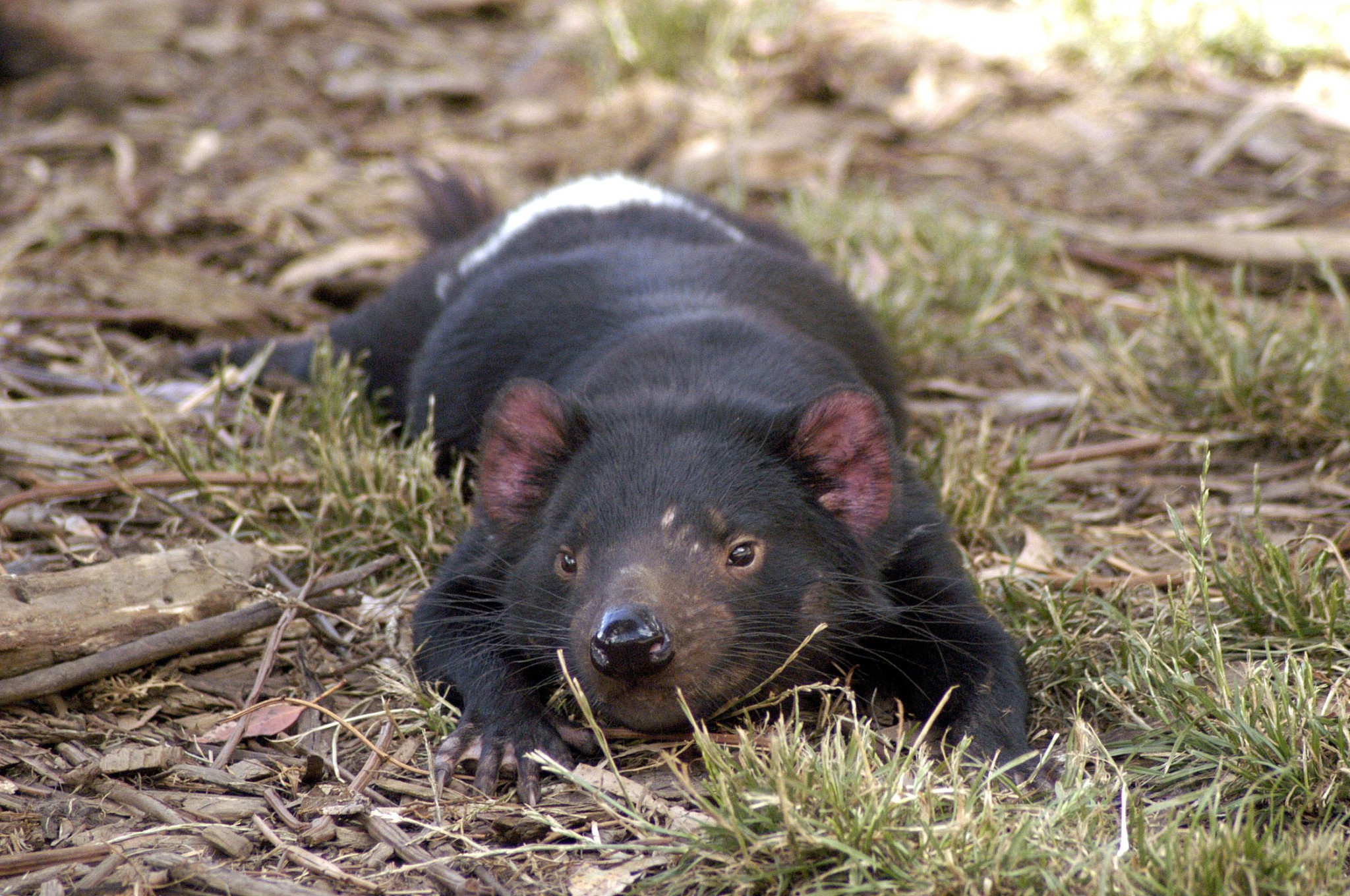
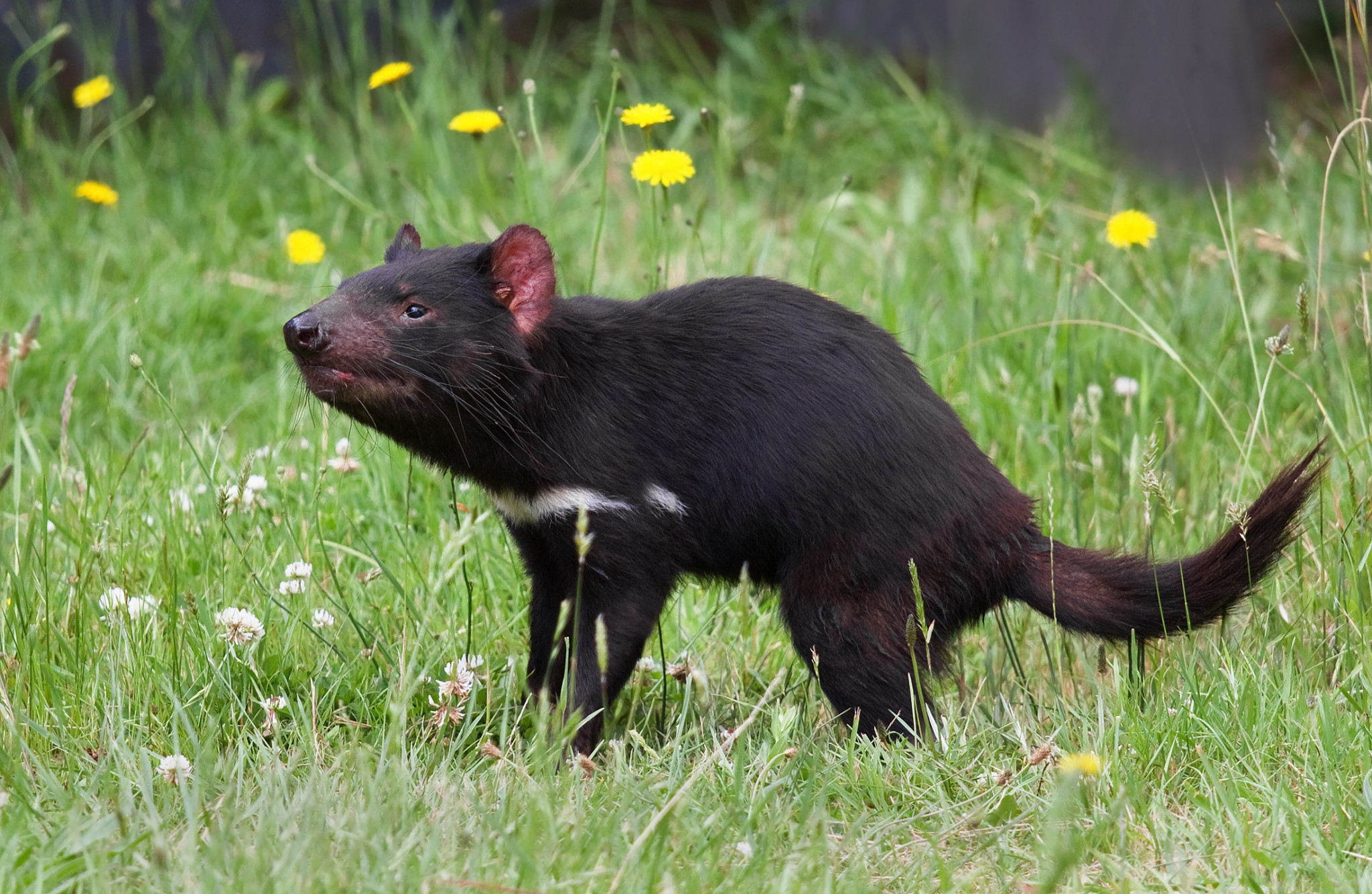
    The Tasmanian Devil, which is about the size of a small dog when fully grown, owes its name due to its terrifying hunting scream and imposing jaw — it is the largest carnivorous marsupial (following the extinction of the thylacine in 1936). However, it is now itself in danger of extinction.


    This marsupial was formerly present across mainland Australia, but became extinct there around 3,500 years ago; it is now confined to the island of Tasmania. Tasmanian Devils have been a protected species since 1941, but the current threat to the species is an uncurable cancerous tumor — the population has dwindled by 70% since the 1990s, when this cancer became an issue.


  • Comment
  • Like
  • Share
  • Joseph Gatt
    July 29, 2026, 7:43 pm -


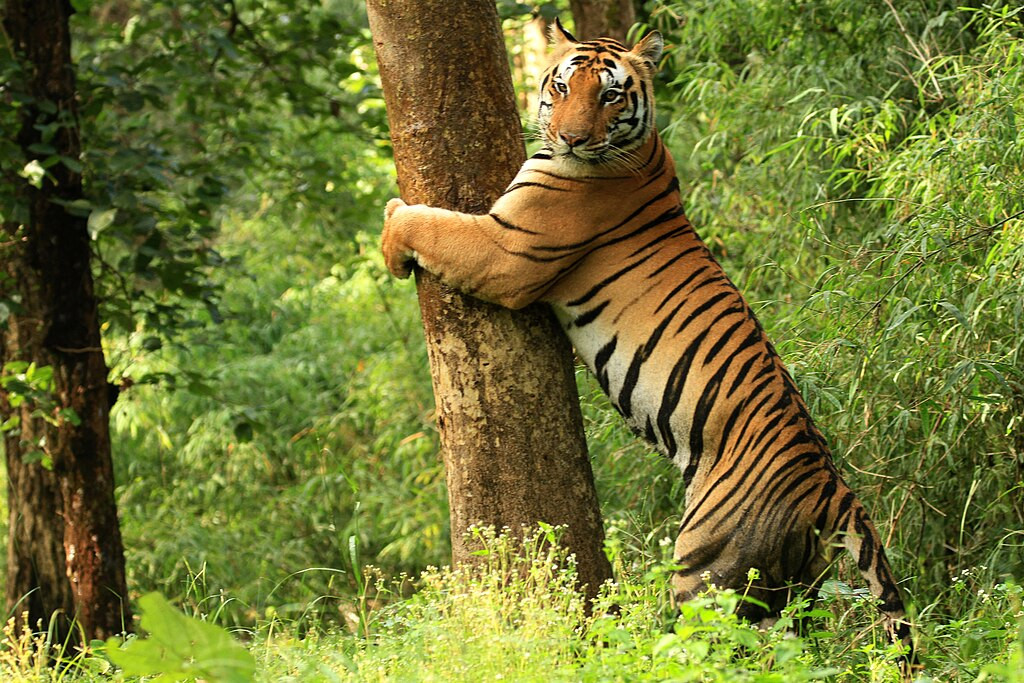
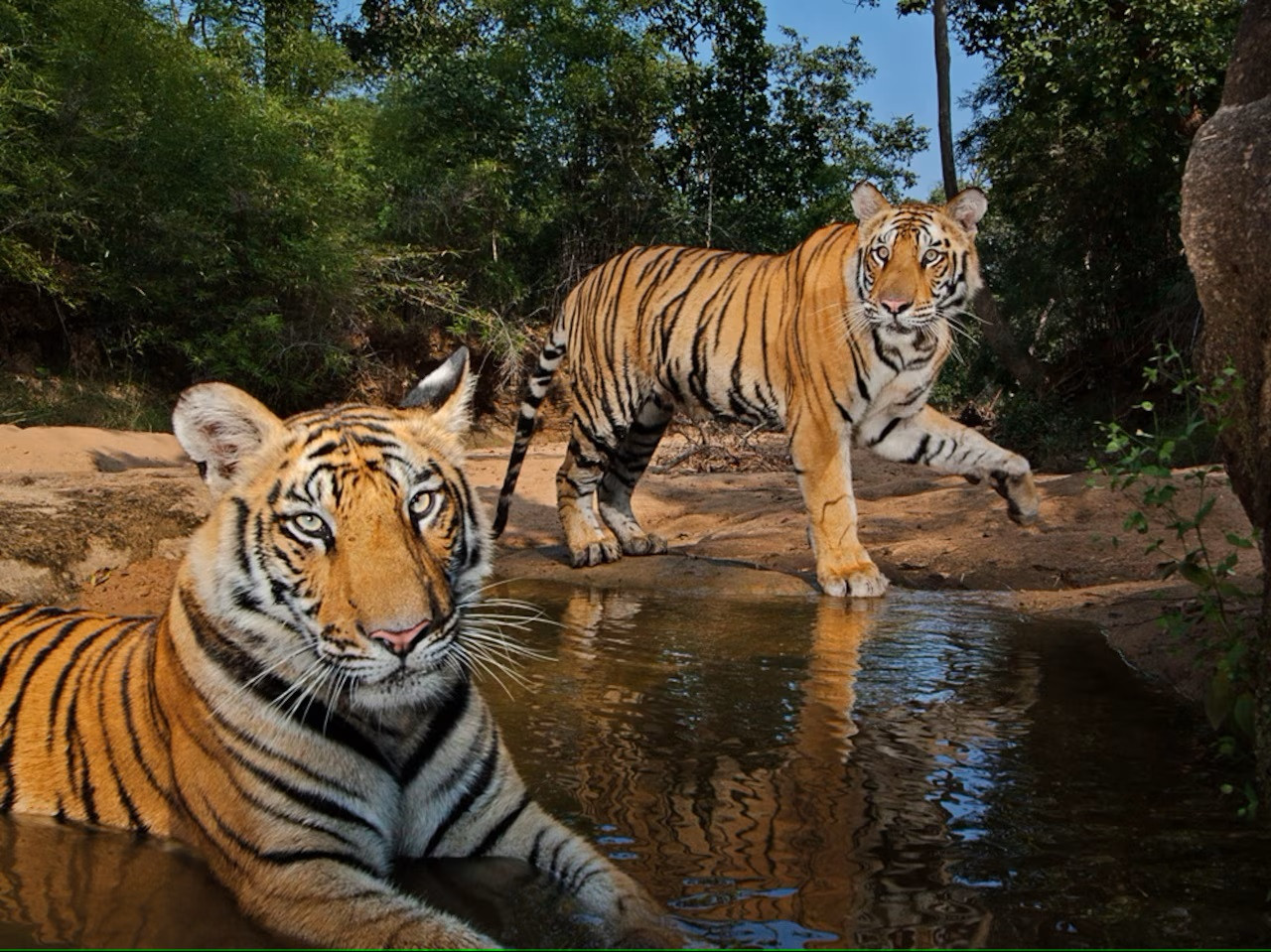
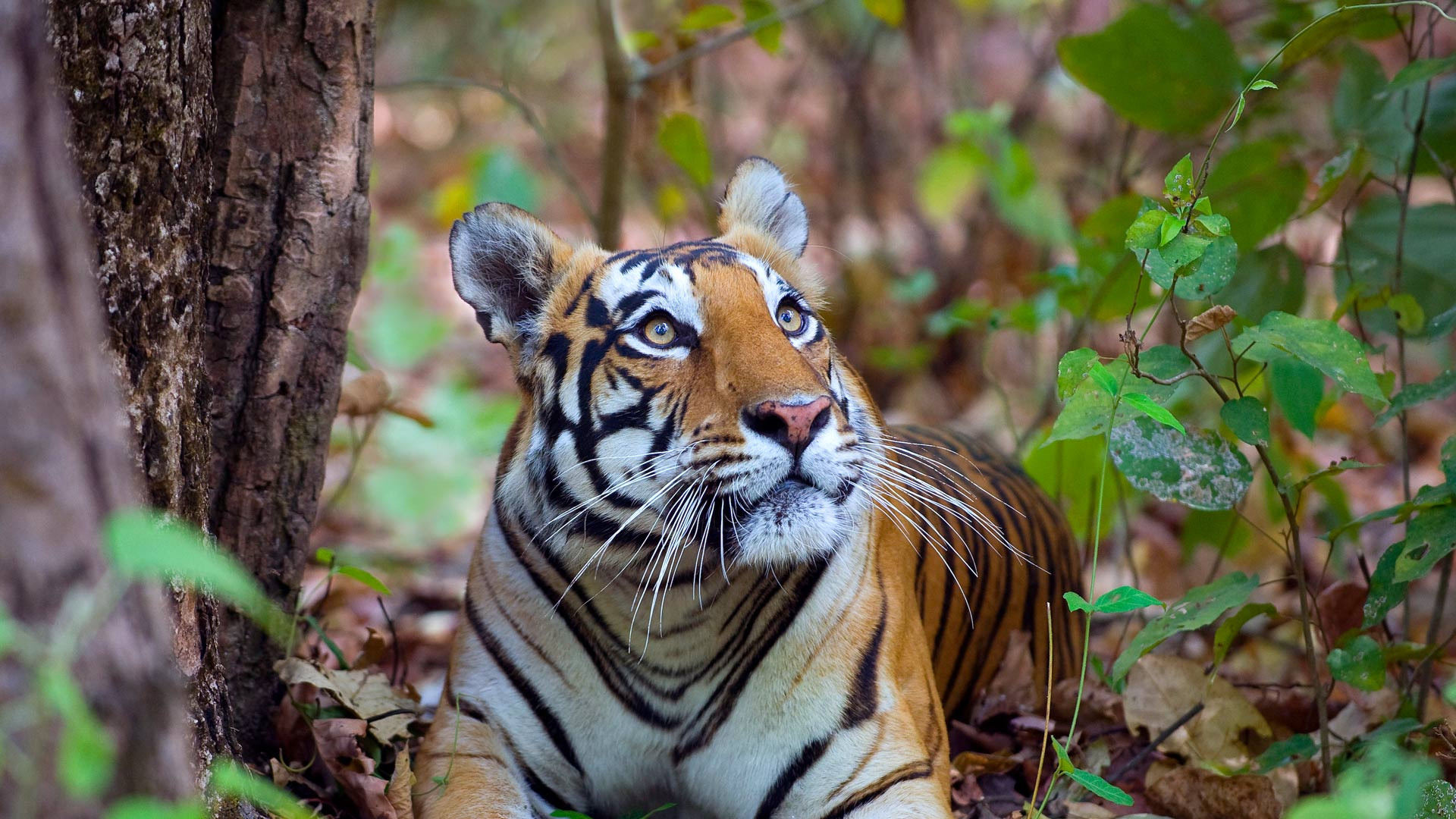
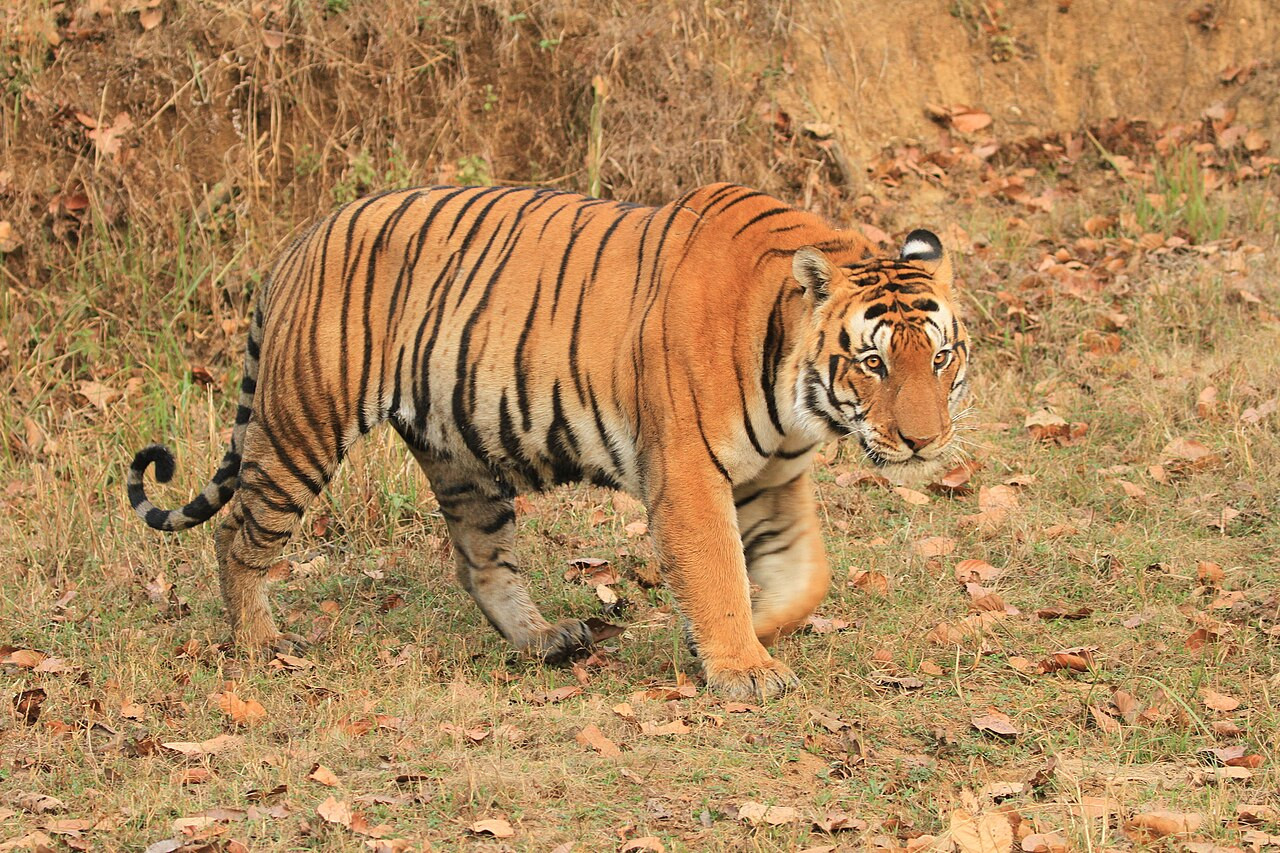
    Wild Bengal tigers roaming freely within national parks of the Indian state of Madhya Pradesh. By keeping prey populations like deer and wild boar in check, tigers help maintain healthy vegetation patterns, and so directly support the overall biodiversity of their environments. It's also worth noting that the Bengal tiger is the national animal of both India and Bangladesh.

  • Comment
  • Like
  • Share
  • Timmy Walsh
    July 22, 2026, 2:16 am -


    You have undoubtedly heard of China's giant panda. Indeed, this species was featured in this group on multiple occassions, such as:


    zafoid.com/post/view/12085

    zafoid.com/post/view/4788

    zafoid.com/post/view/337


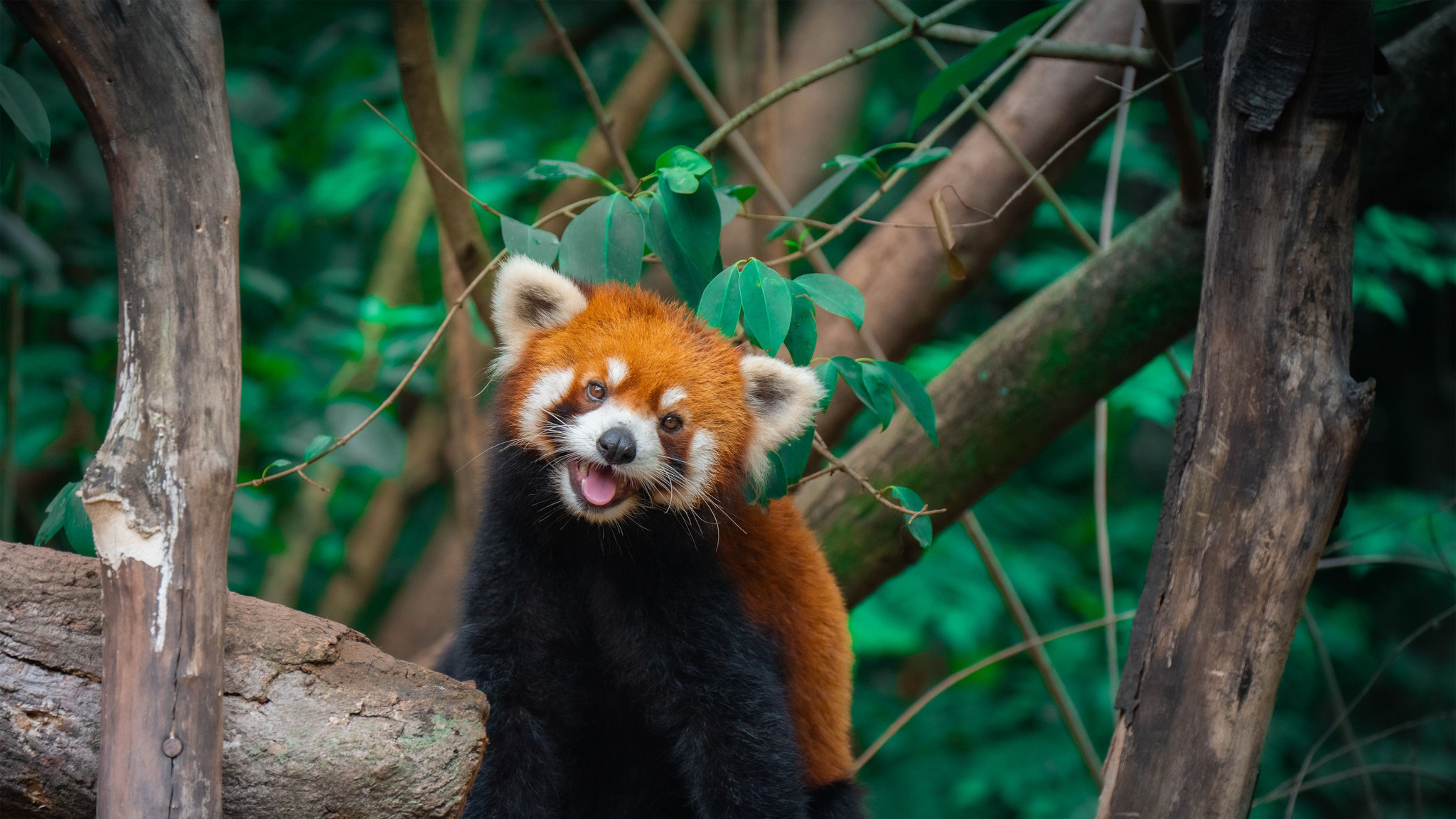
    But have you ever heard of the Chinese red panda? The one pictured here also hails, like many of the giant pandas in the above mentioned posts, from the Sichuan Province in China.


    Indeed, Chinese red pandas are mainly found in the Yunnan and Sichuan provinces, and live within coniferous and broad-leaved mixed forests, or evergreen broad-leaved bamboo forests, at altitudes below 3,000 meters. Chinese red pandas like to eat bamboo shoots, arrow bamboo shoot leaves, various wild fruits, leaves, and moss, and they also prey on small birds or bird eggs and other small animals, insects, etc. They especially like to eat sweet food. They are similar in appearance to the Himalayan red panda, but are slightly larger.

  • Comment
  • Like
  • Share
  • Joseph Gatt The BEAUTY of ALL ANIMALS and LIVING THINGS
    July 14, 2026, 12:26 am -

    Cuttlefish in its natural habitat, off Komodo Island, Indonesia.


    Cuttlefish, or cuttles, are marine molluscs related to squid, octopuses, and nautiluses. They have a distinctive internal shell called the cuttlebone, which they utilise to control buoyancy. Equipped with eight arms and two tentacles covered with denticulated suckers to secure their prey, cuttlefish consume small molluscs, crabs, prawns, fish, octopuses, worms, as well as other cuttlefish.

    Cuttlefish have a typical life expectancy of 1-2 years. According to studies, cuttlefish are among the most intelligent invertebrates, and they definitely have one of the greatest brain-to-body size ratios.

    The cuttlefish was highly valued in the Greco-Roman culture for its peculiar brown pigment, which the creature emits when disturbed. Indeed, sepia, the name for cuttlefish in Greek and Latin, now refers to that distinctive reddish-brown tint, in English.


    You may also wish to view this related post within this Zafoid group:
    zafoid.com/post/view/280

  • Comment
  • Like
  • Share
  • Joseph Gatt
    July 7, 2026, 10:10 pm -


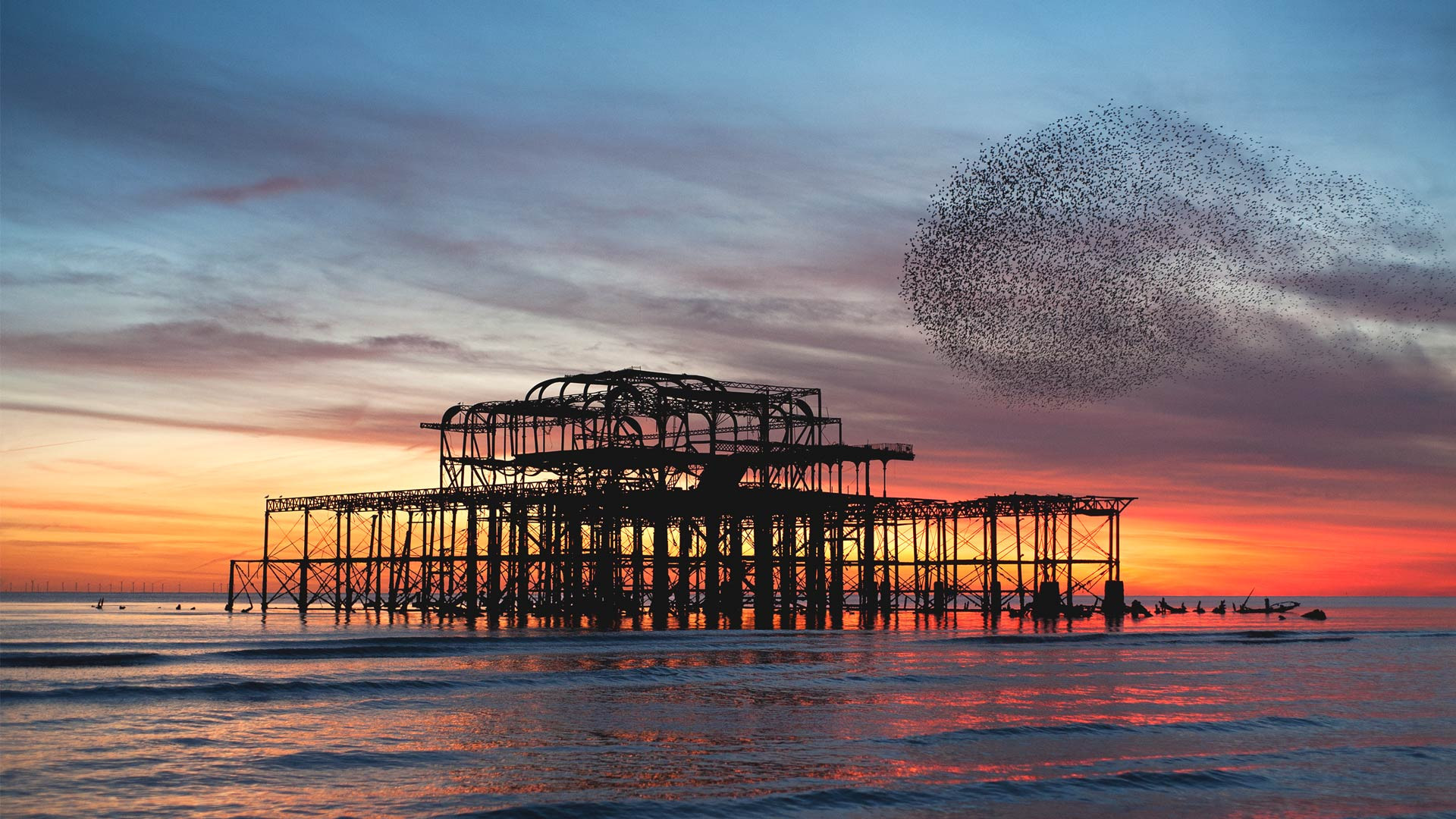
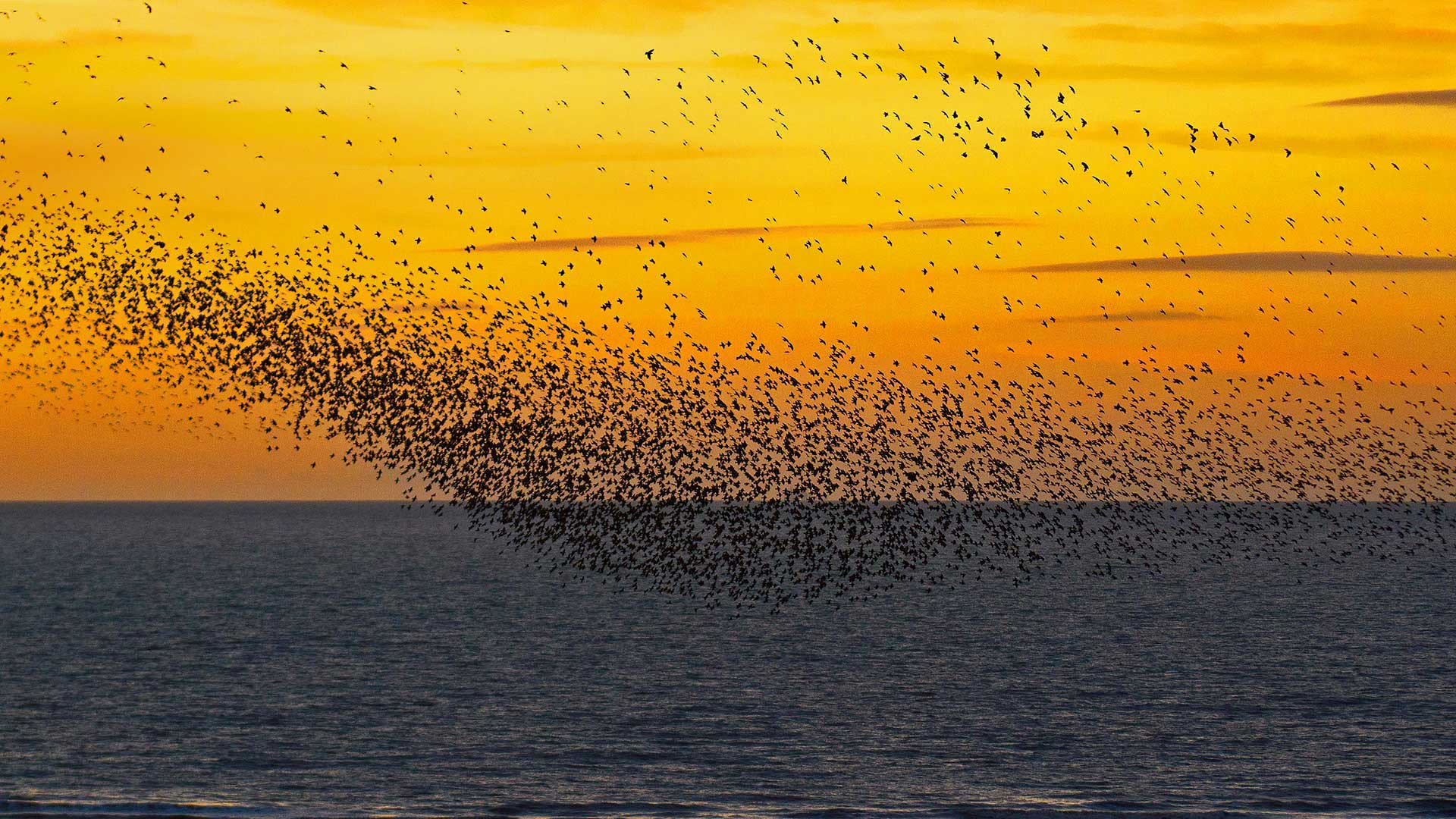
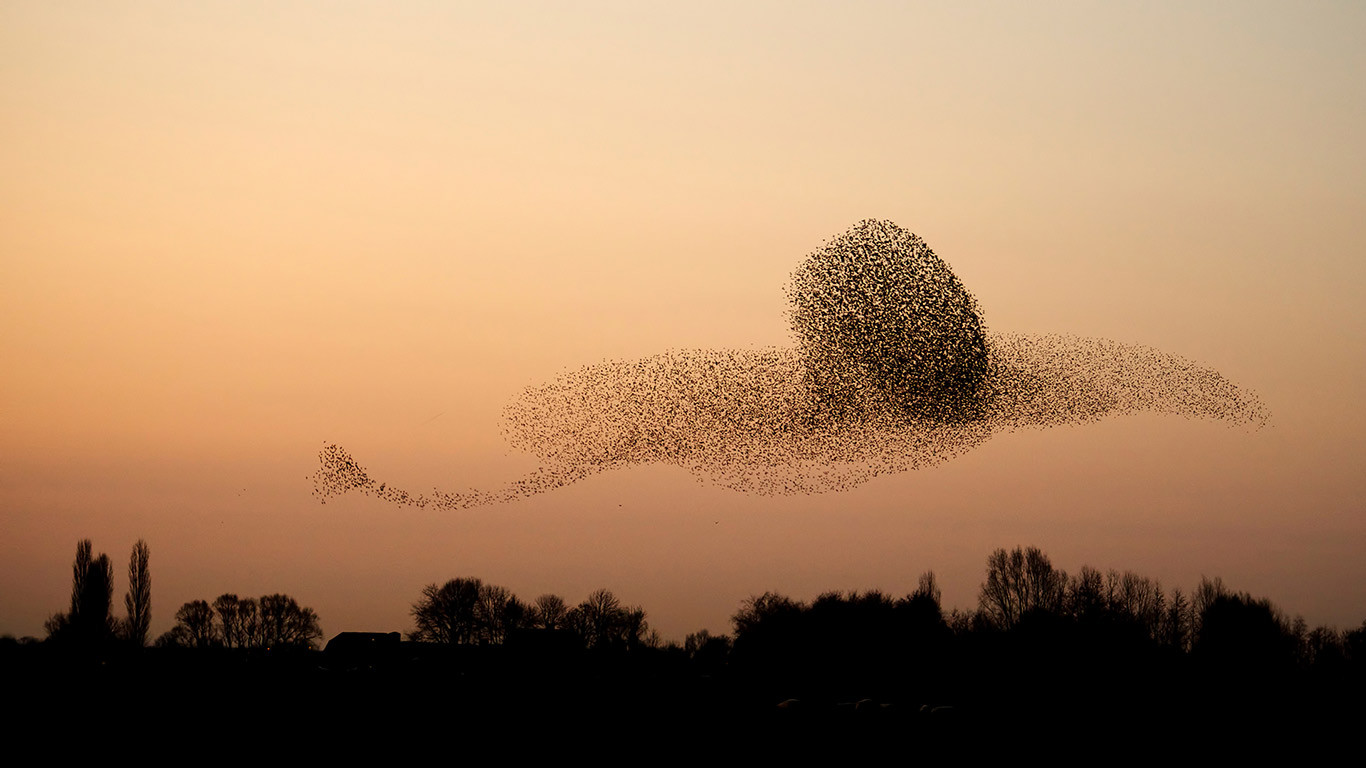
    Starling murmurations as seen in England (Brighton and Blackpool) and in the Netherlands (Gelderland). The phenomenon consists of thousands of birds performing aerial acrobatics at sunset, typically between October and March.


    See also this related video (which just happens to be this group's second earliest post!): zafoid.com/post/view/5

  • Comment
  • Like
  • Share
  • Joseph Gatt
    June 29, 2026, 6:53 pm -

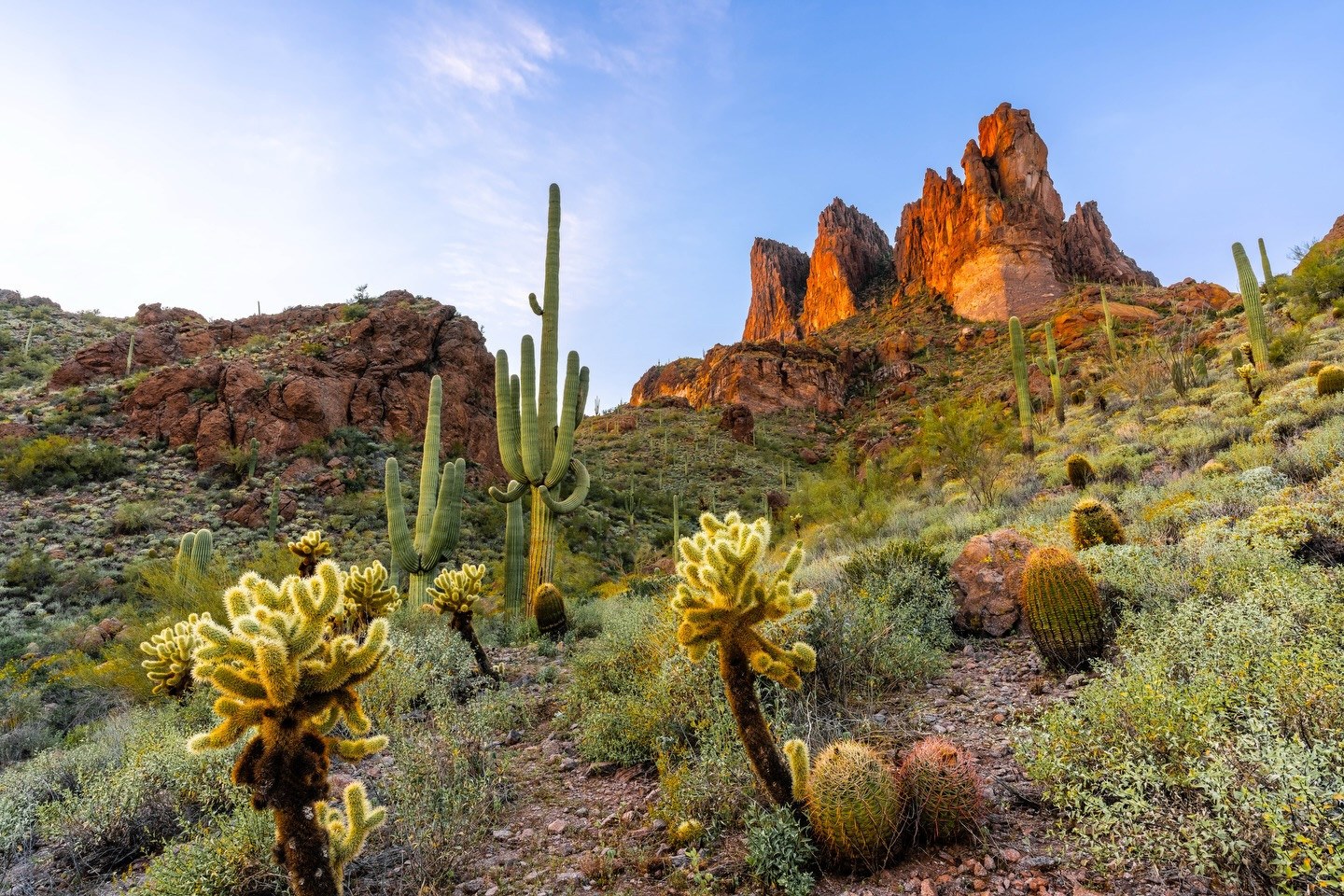
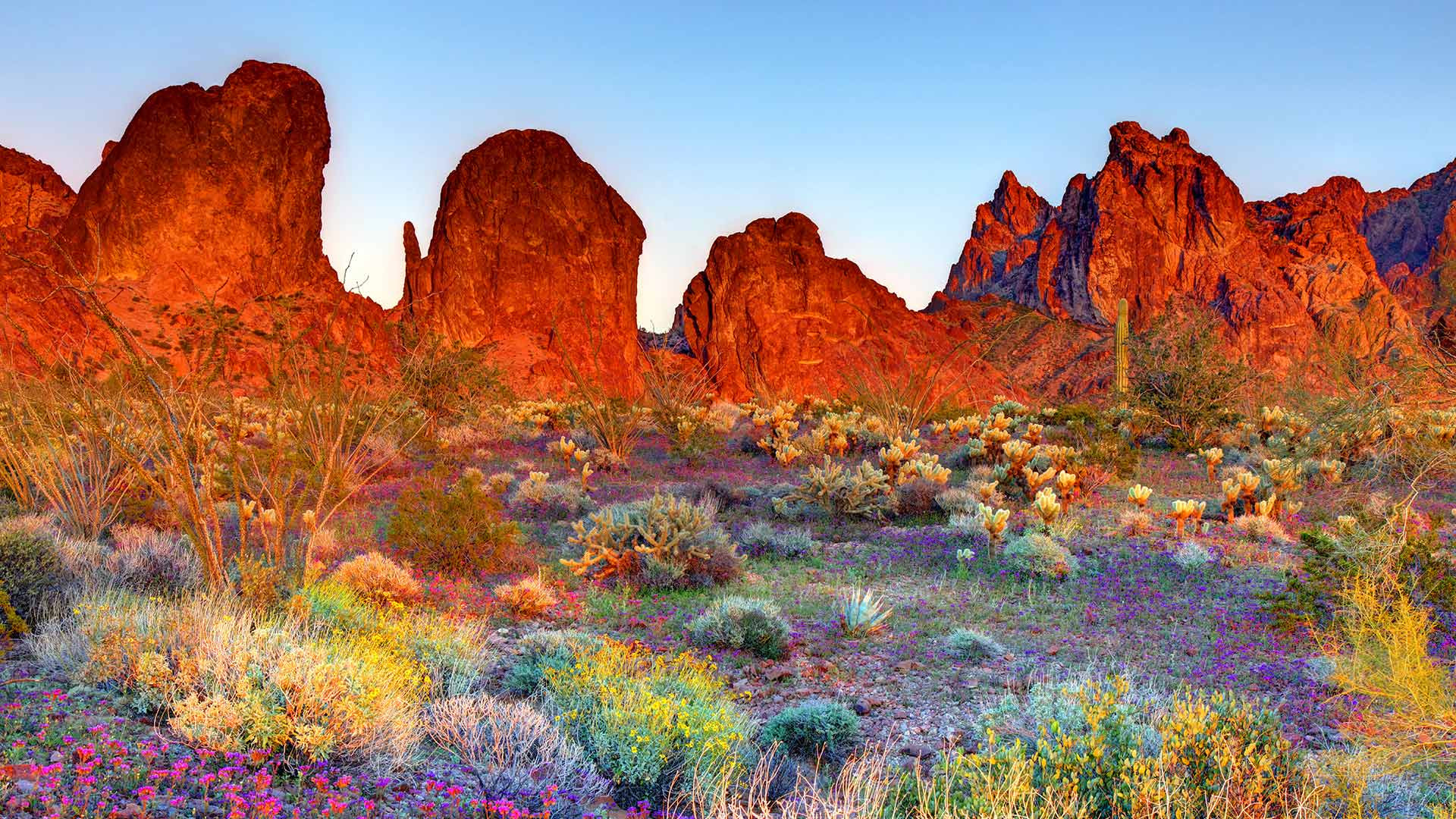
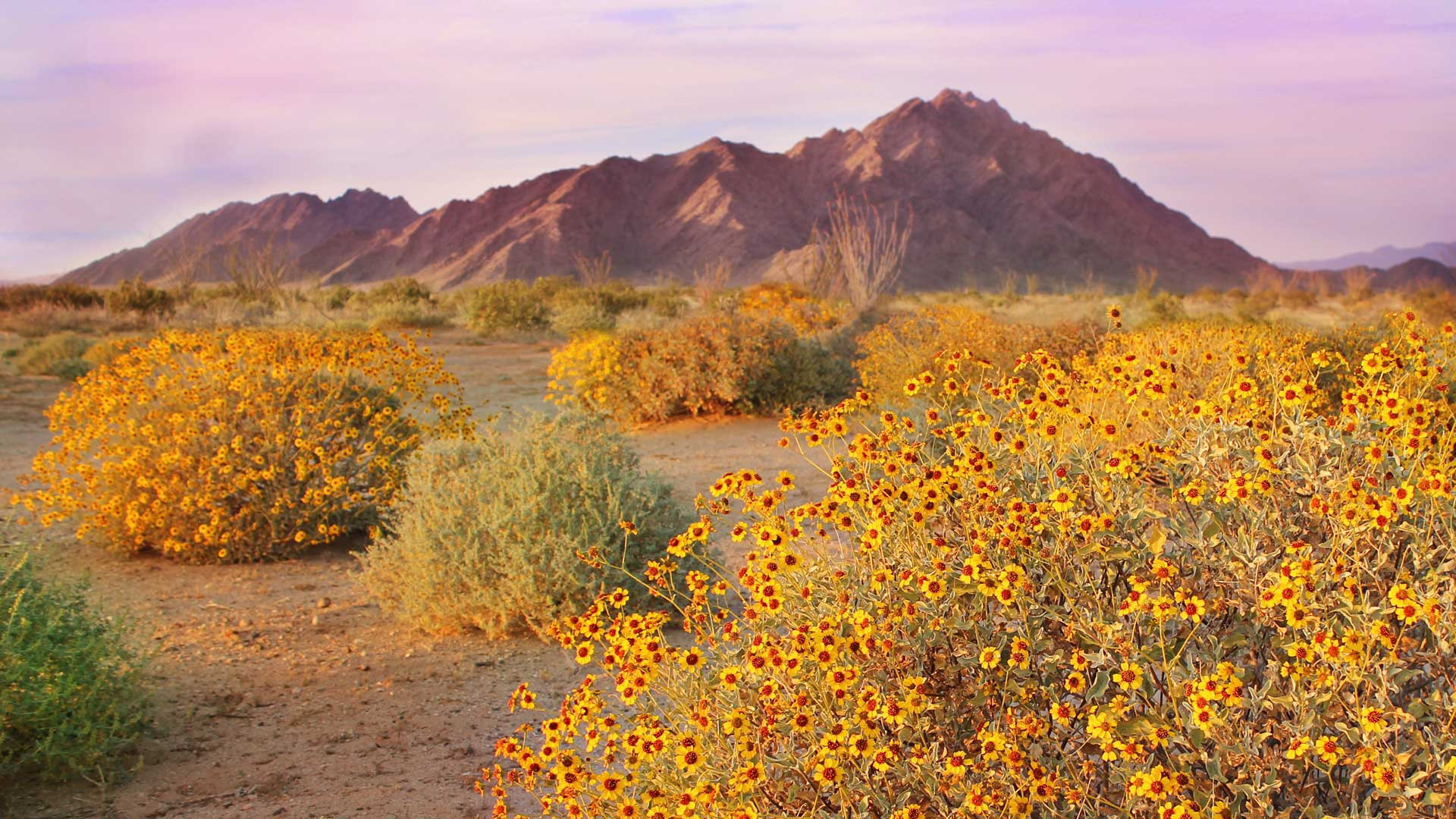
    The Sonoran desert in North America, though very arid, still offers a fascinating landscape during springtime, when desert shrubs like brittlebush bloom and flower (click on any desired image for full size viewing).


    This desert is a fascinating ecosystem, as mentioned earlier here: zafoid.com/post/view/12029.

  • Comment
  • Like
  • Share
  • Joseph Gatt
    June 22, 2026, 11:26 pm -

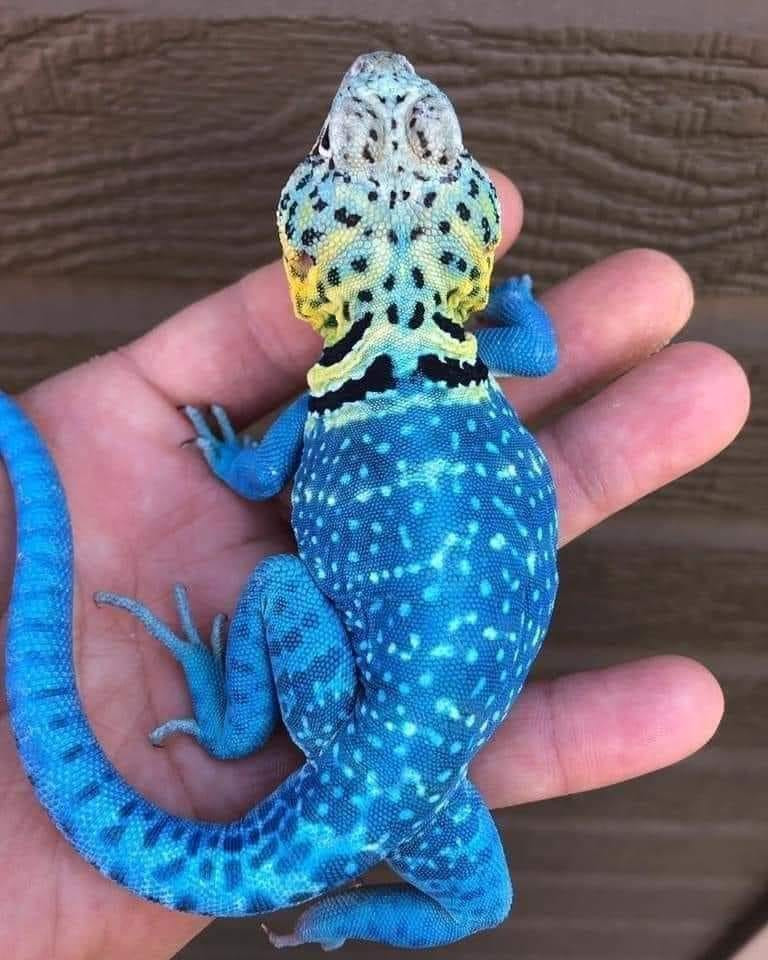
    Blazing blue eastern collared lizard (male), chiefly found in dry, open, American regions.


    For other posts in this group related to lizards, please view:


    zafoid.com/post/view/11473

    zafoid.com/video/view/9265

  • Comment
  • Like
  • Share
  • Joseph Gatt
    June 15, 2026, 10:30 pm -


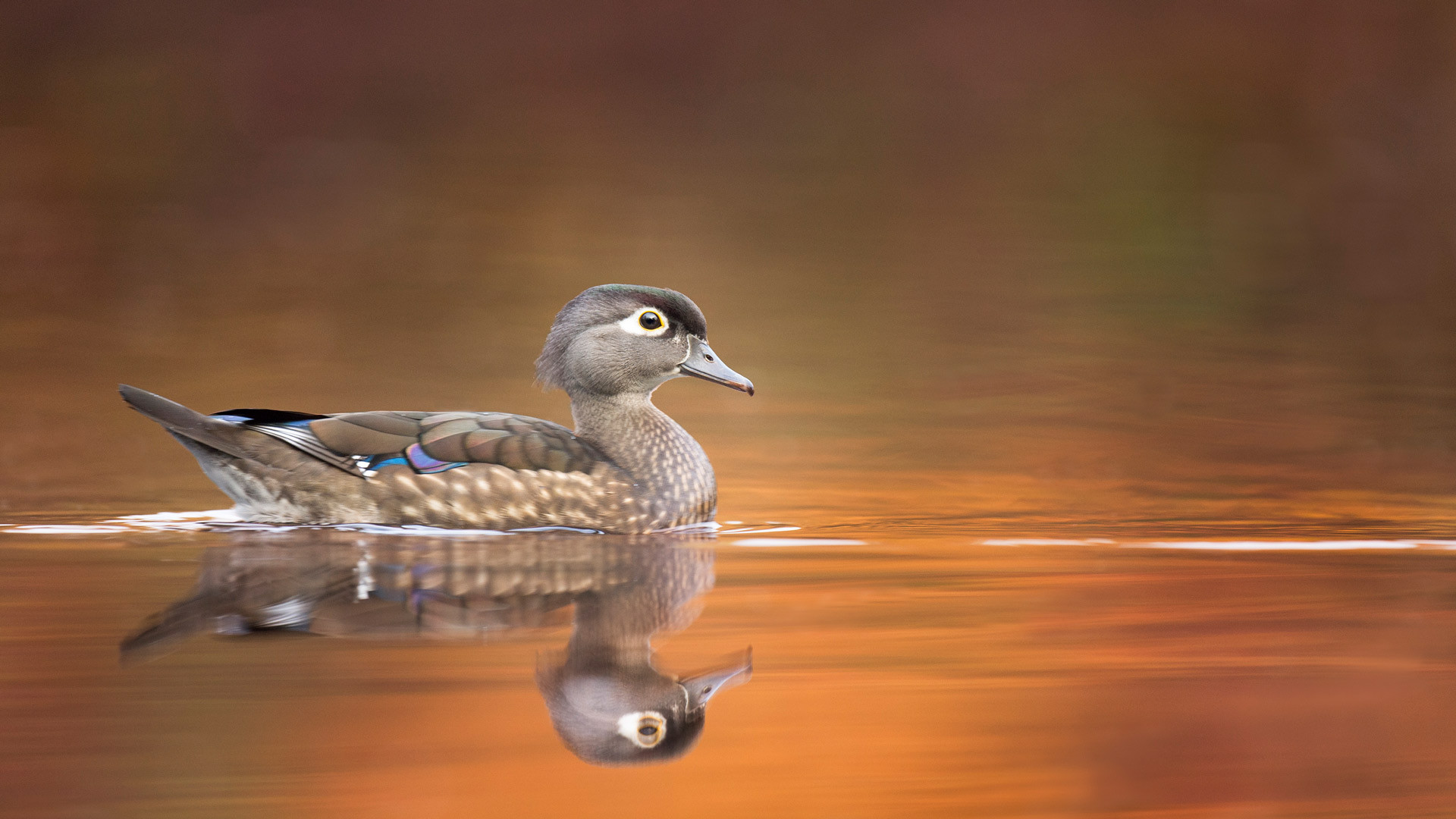
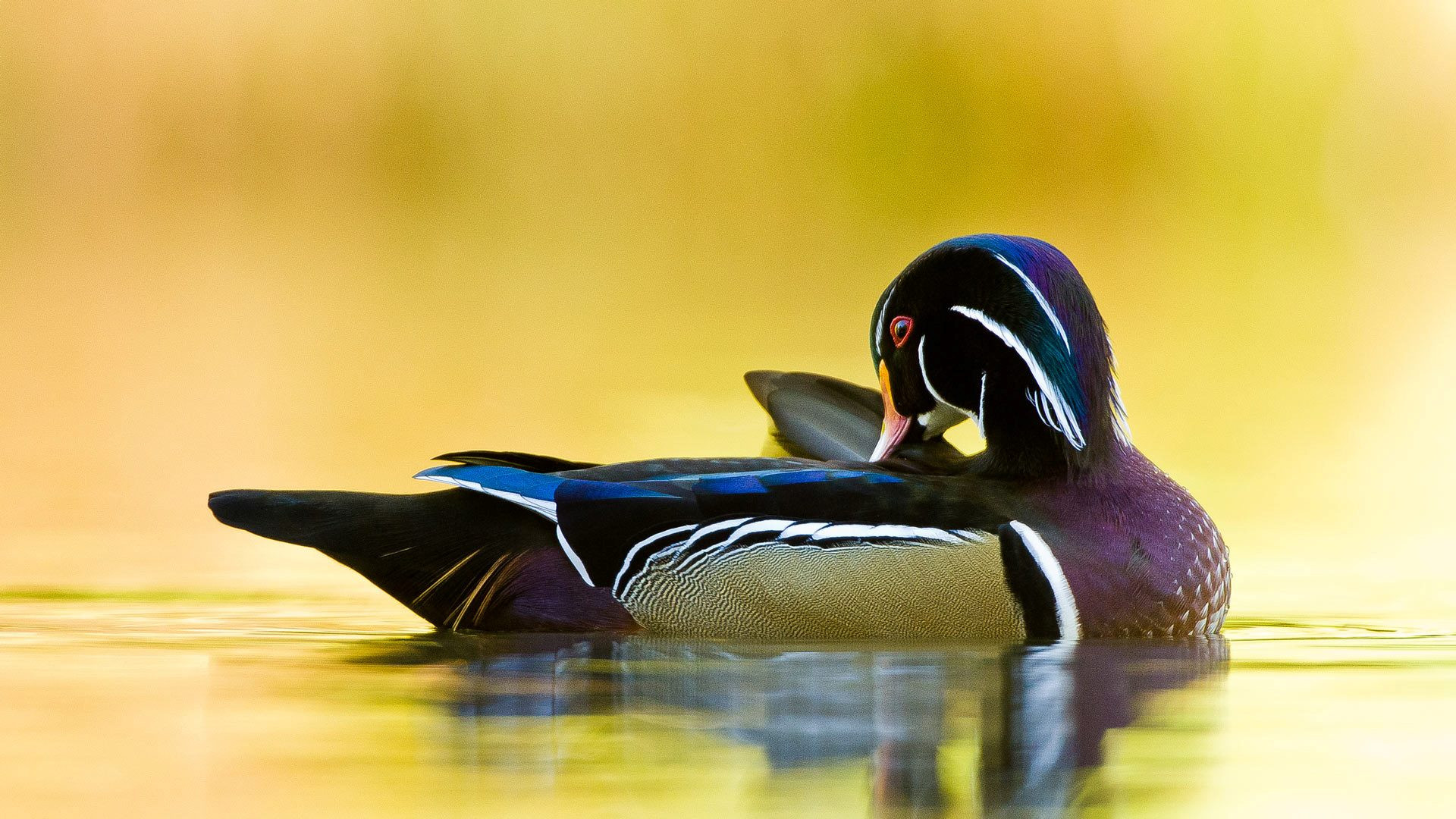
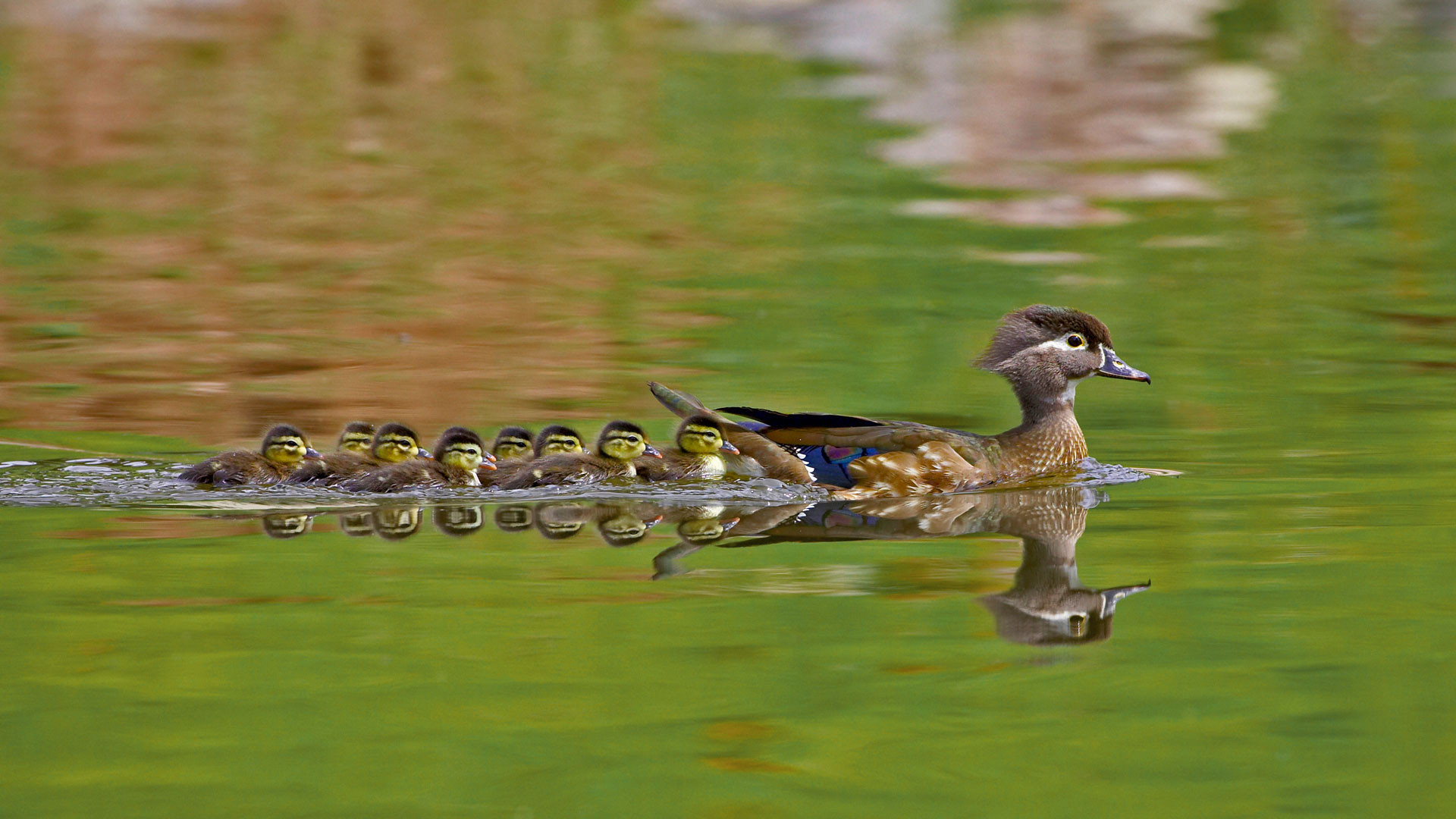
    In general, male birds are much more colourful than females. The bright colours of male birds serve to attract mates, since bright coloration signals strength and vigour. On the other hand, since females typically bear the brunt of incubating eggs and raising young, their more drab, earth-toned feathers help them blend better into their surroundings to avoid predators.


    This general evolutionary paradigm is illustrated here in this set of wood duck images. (Please click on image to view full size.) Whilst adult wood duck males have stunning multicolored iridescent plumage and red eyes, with a distinctive white flare down the neck, the wood duck females have a more drab, brownish colour that blends well with their surroundings, making them less easy to spot.


    For other posts about ducks in this group, please view:


    zafoid.com/post/view/11025

    zafoid.com/post/view/8119

    zafoid.com/post/view/803

  • Comment
  • Like
  • Share
    • First
    • 1
    • 2
    • 3
    • 4
    • 5
    • 6
    • 7
    • 8
    • Last
    Back to InboxGroup About
    This Group is about sharing our love for the beauty of animals and all living things.
    Back to InboxMembers (17)
    Back to InboxSPONSORED
    Chessbites.com
    https://www.chessbites.com

    Great to search for chess games and totally free. Courtesy of Timothy Mifsud, Malta's national chess champion for 1993-1998.

    Linda Sacketti
    https://www.lindasacketti.art/fine-art-prints

    Fine Art prints

    David Meek
    https://davidmeekscreations.com

    Models and paintings

    © COPYRIGHT ZAFOIDAboutTerms and Conditions
    © COPYRIGHT ZAFOID© COPYRIGHT ZAFOIDAboutTerms and ConditionsPrivacy

    By using this site, you agree to our Privacy Policy including the use of cookies to enhance your experience.