
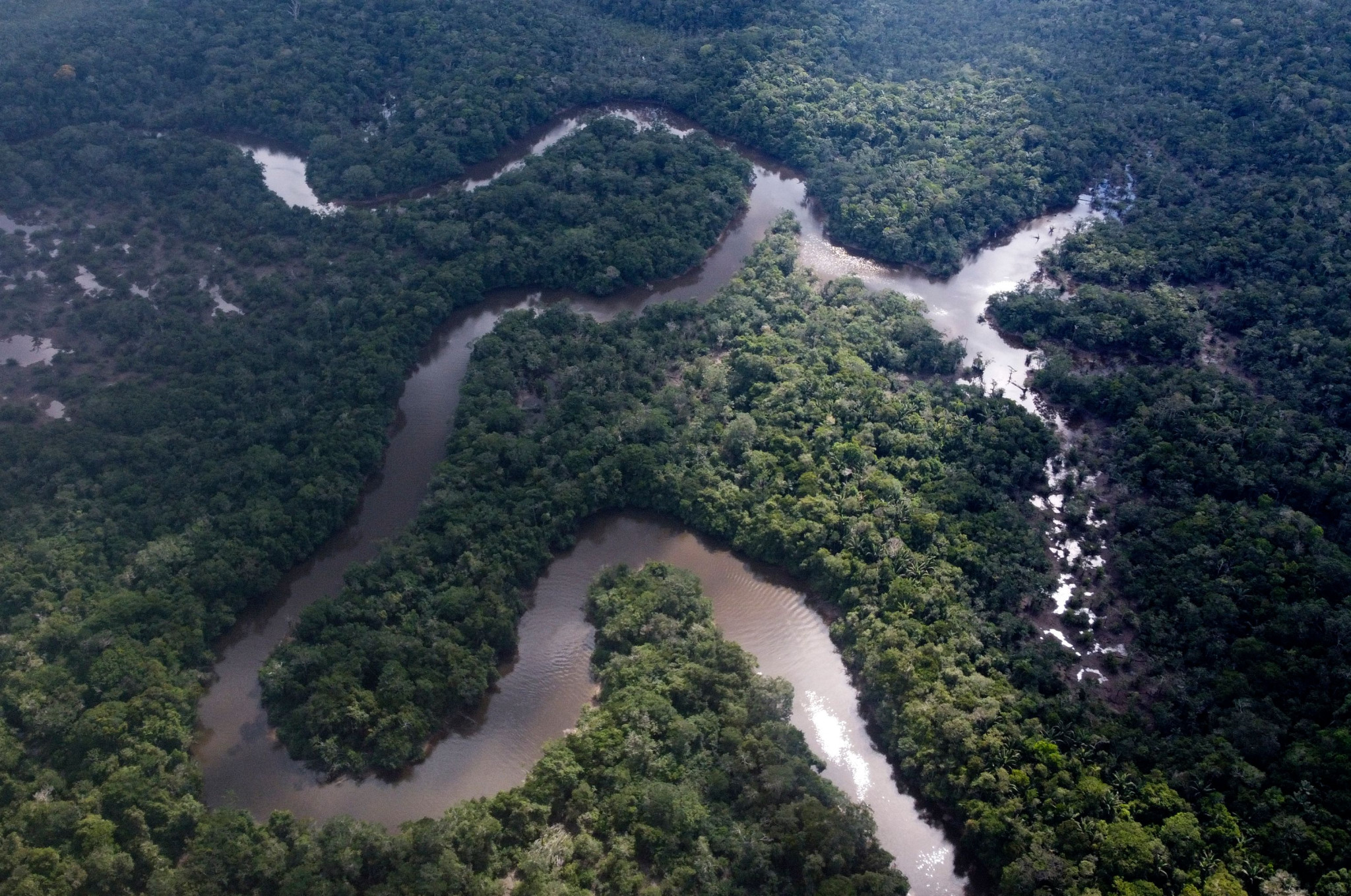
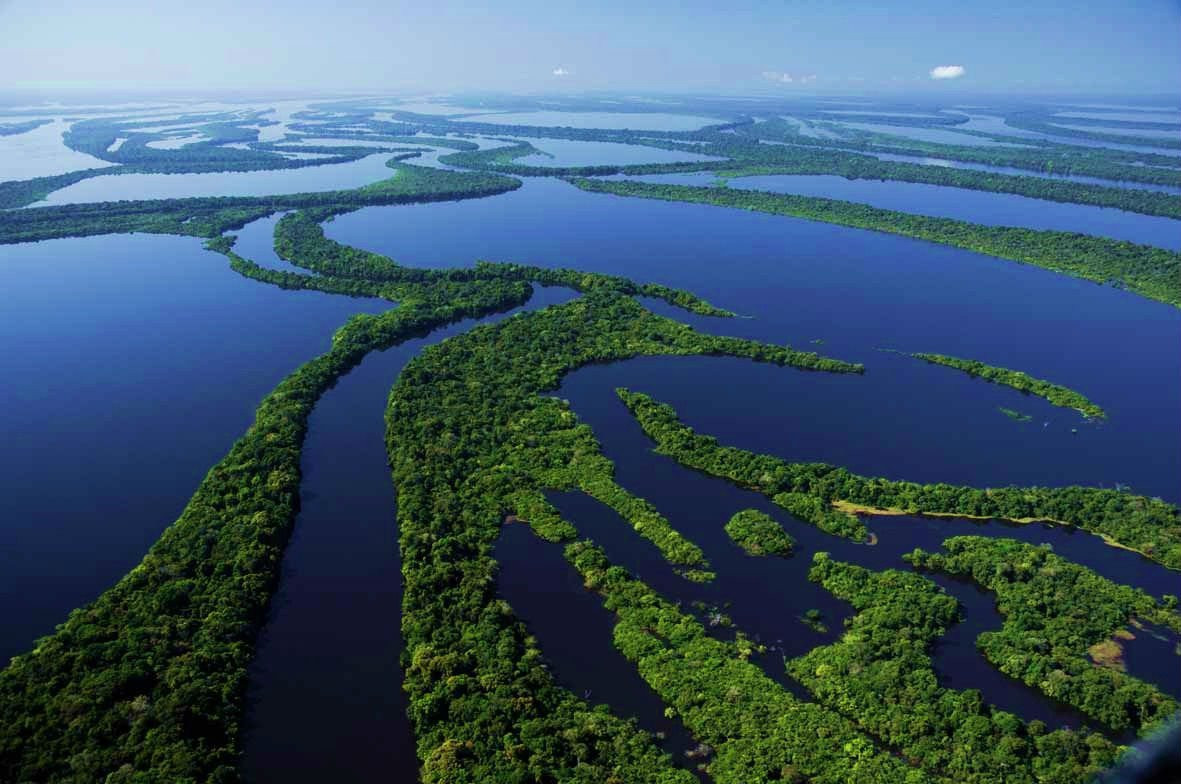
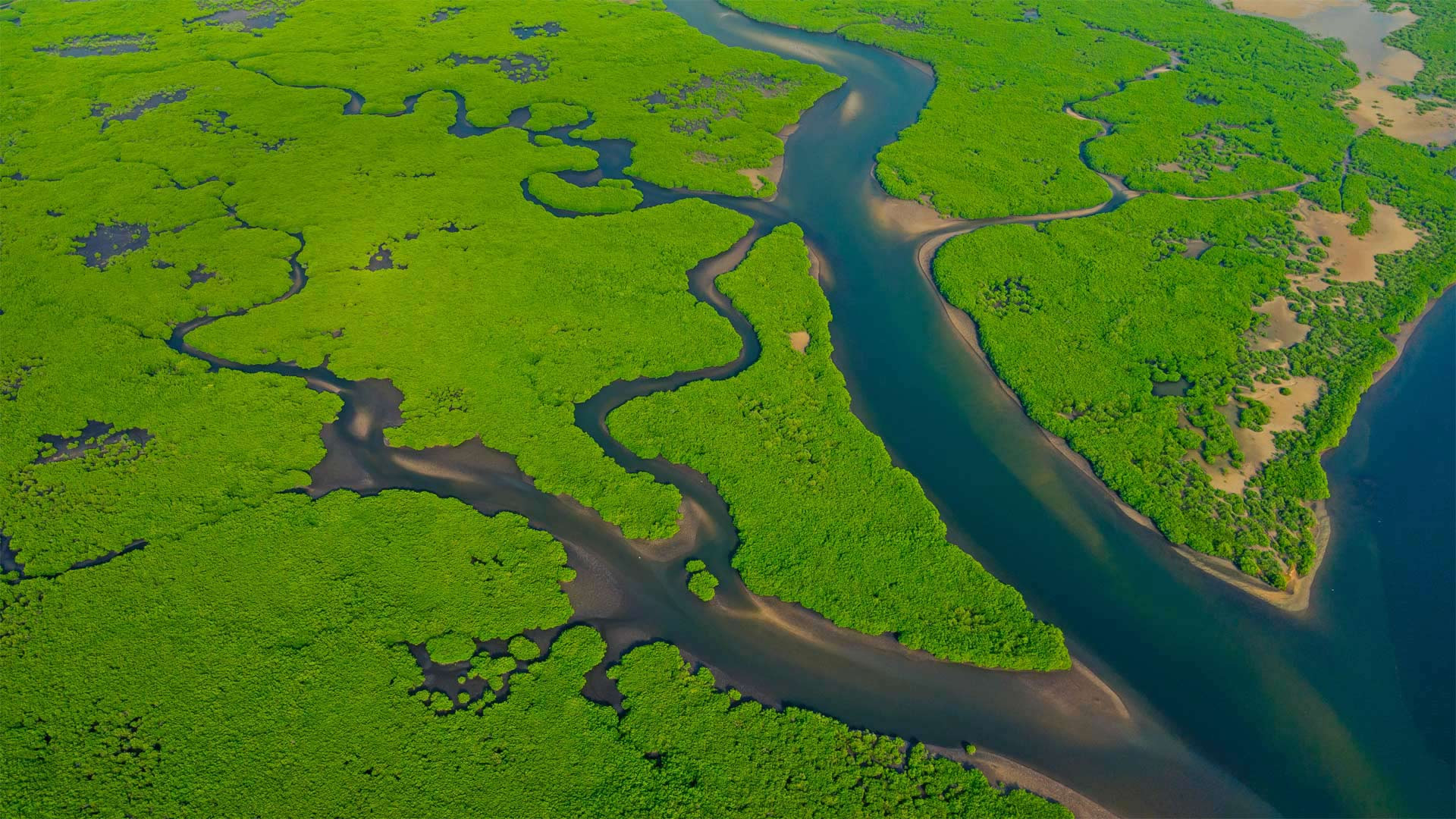
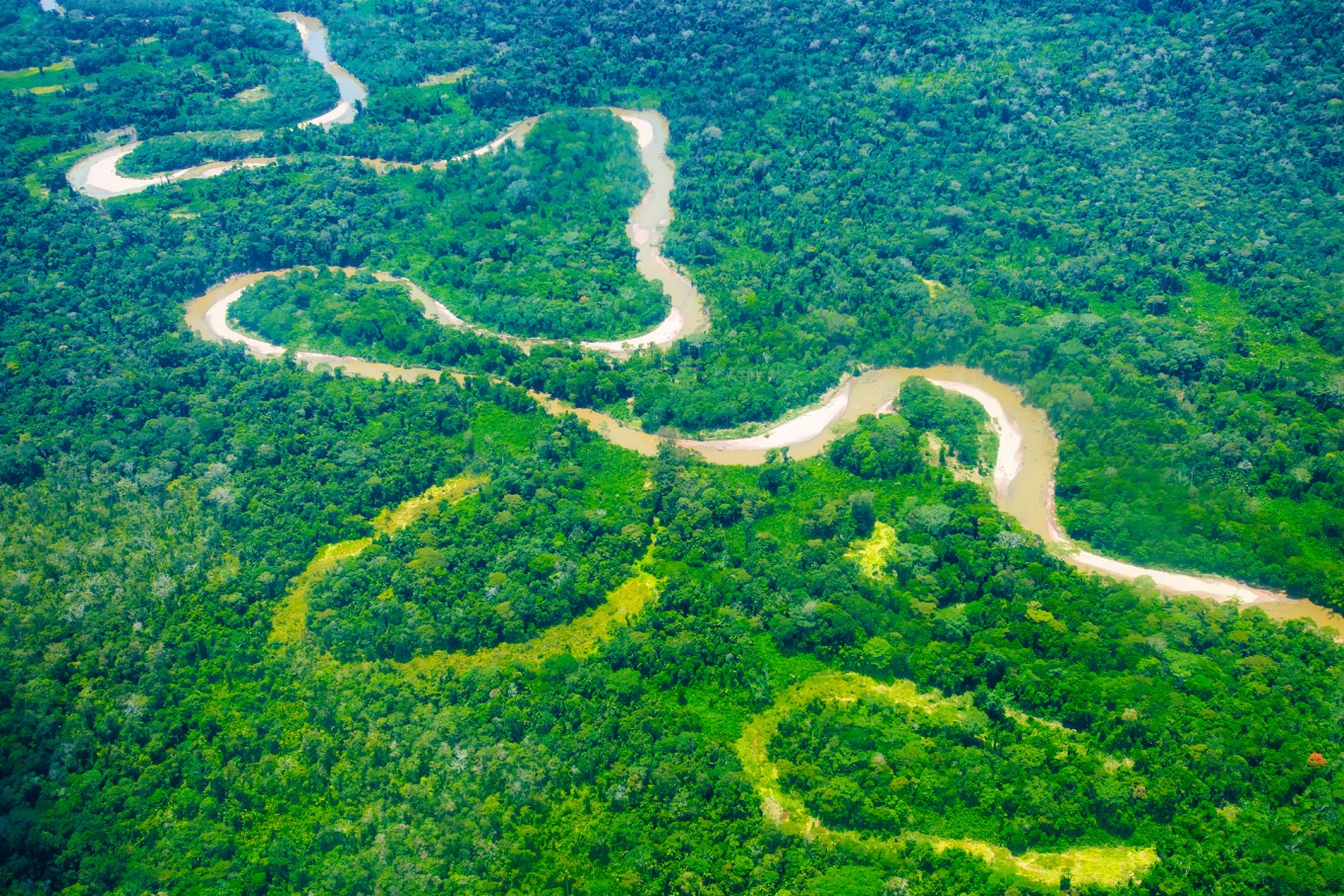
Mangroves flanking the Amazon River, within the Amazon rainforest.
3+
Meet the sea bunny. This tiny sea slug has no shell for protection, no eyes to spot danger, and travels at a snail's pace. And when you can't see, it is hard to avoid trouble, especially when fearsome predators are lying in wait in the nooks and crannies of the reef. Yet, the sea bunny somehow survives. (Video narration by Sir David Attenborough.)
For other posts in this group about the intriguing world of sea slugs, please view:
zafoid.com/post/view/851
zafoid.com/post/view/101

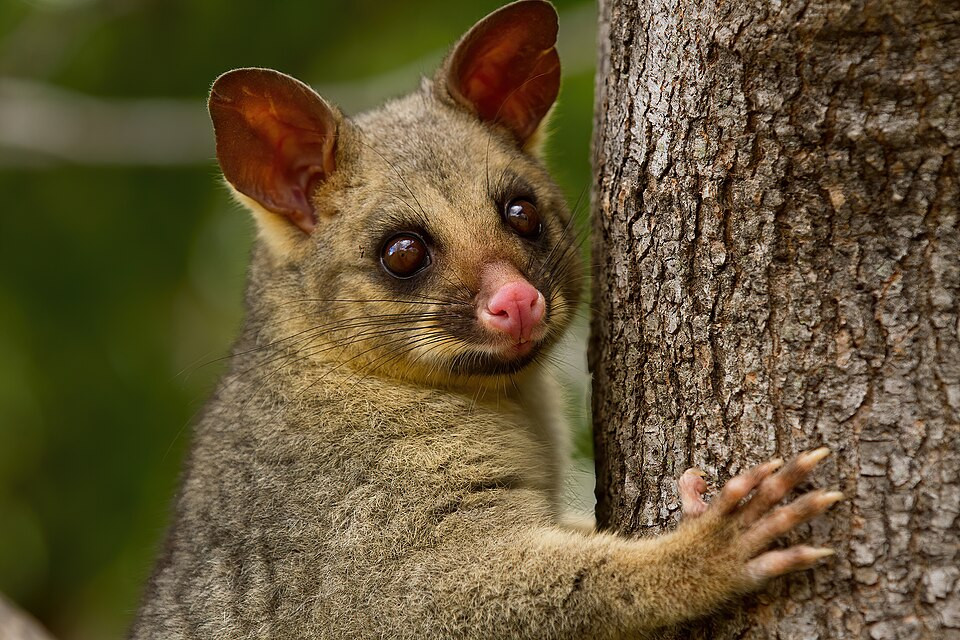
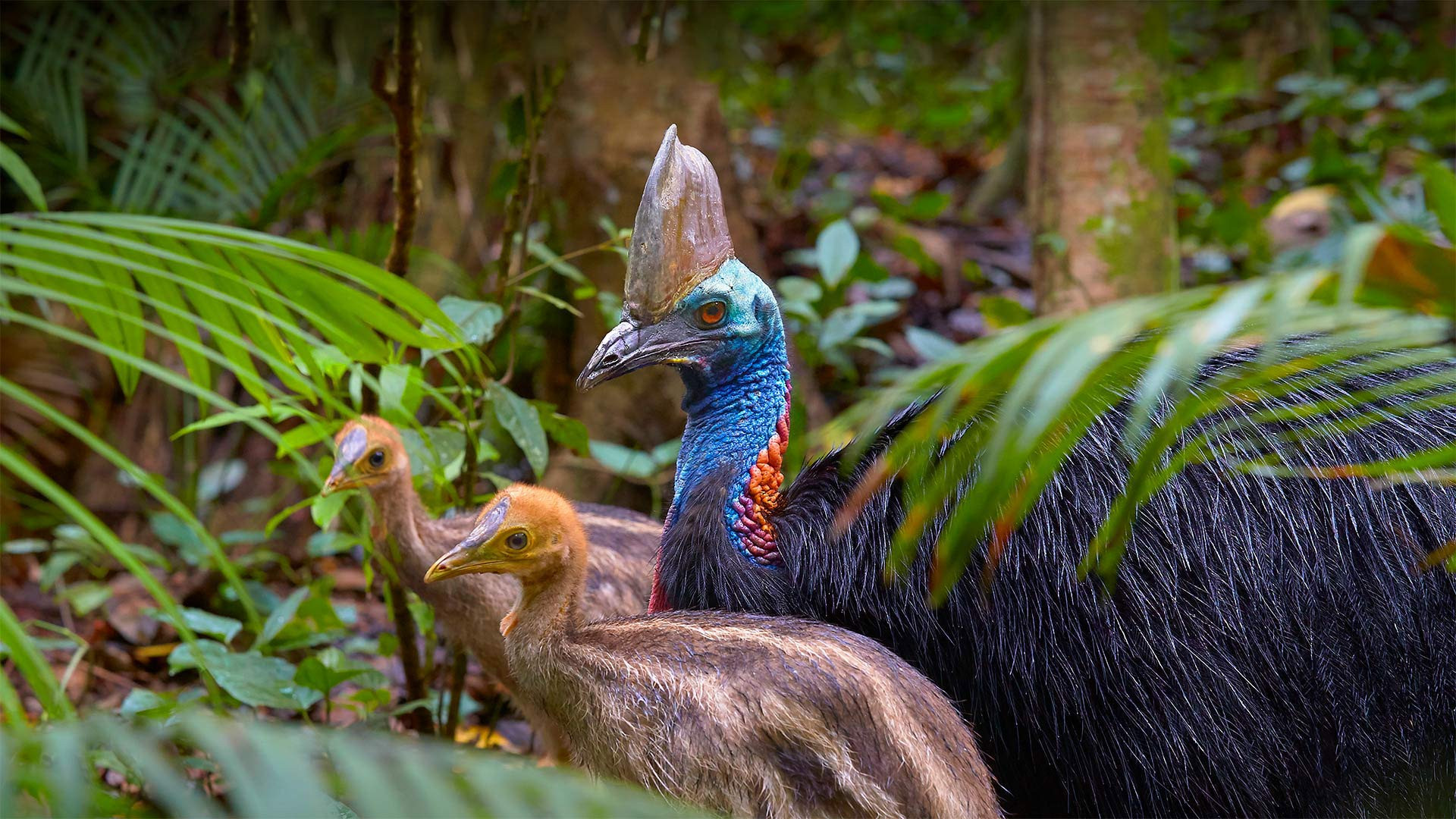
The common brushtail possum, and the Southern cassowary — quirky animals that can be found in the wild in Queensland, Australia.
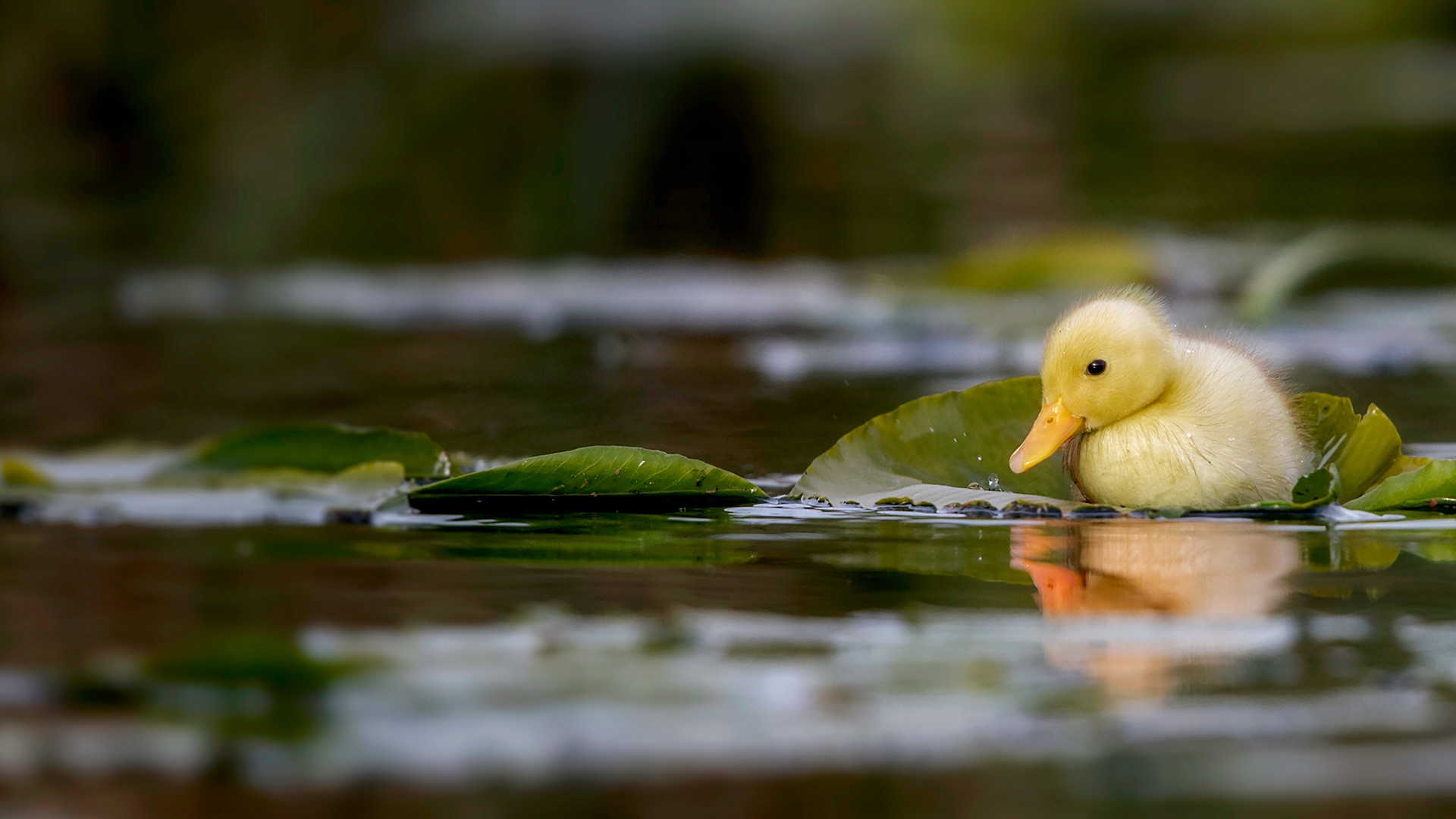
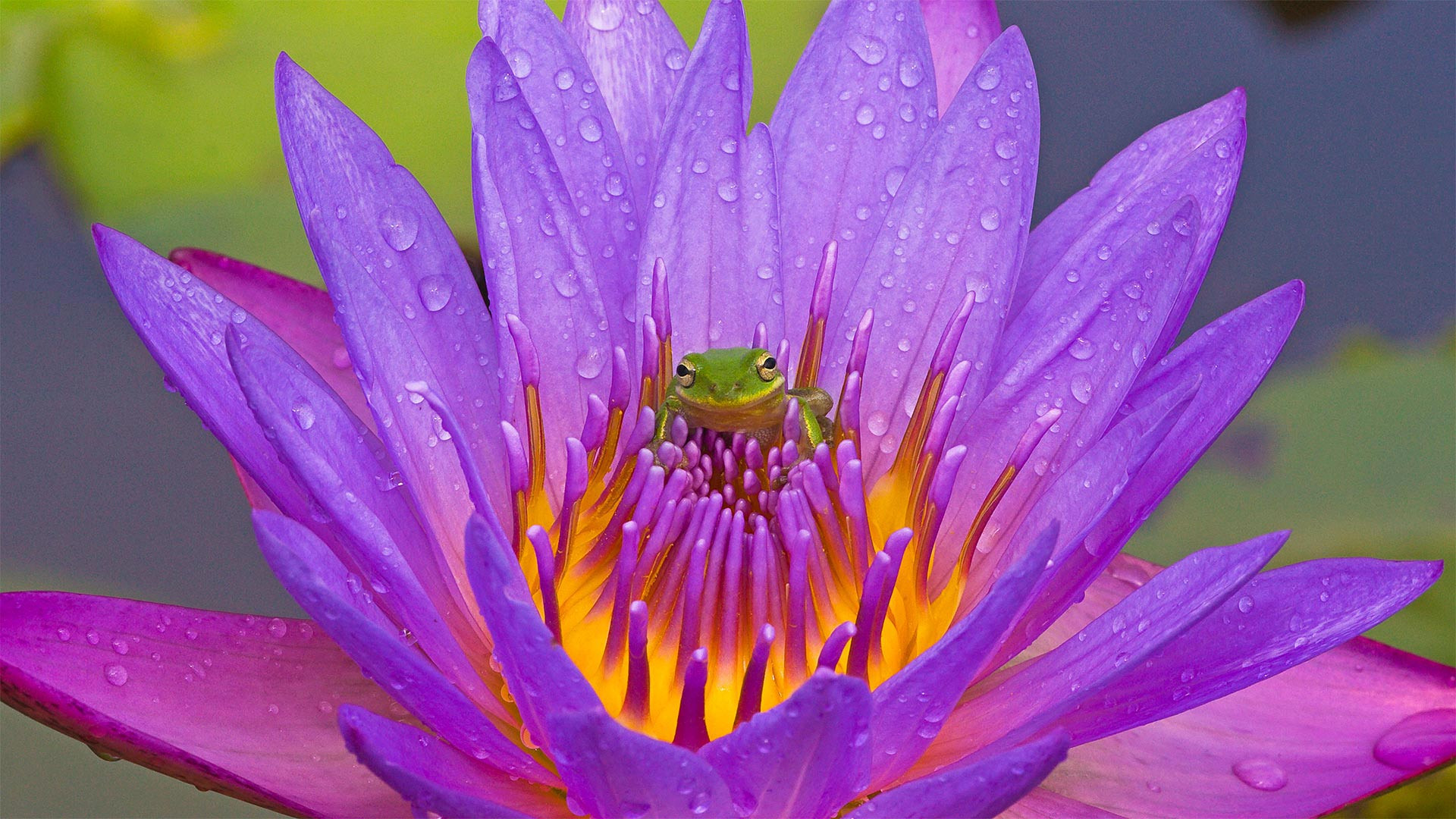
A duckling, and a green tree frog, taking a rest on water lilies. (Click on image to view full size.)
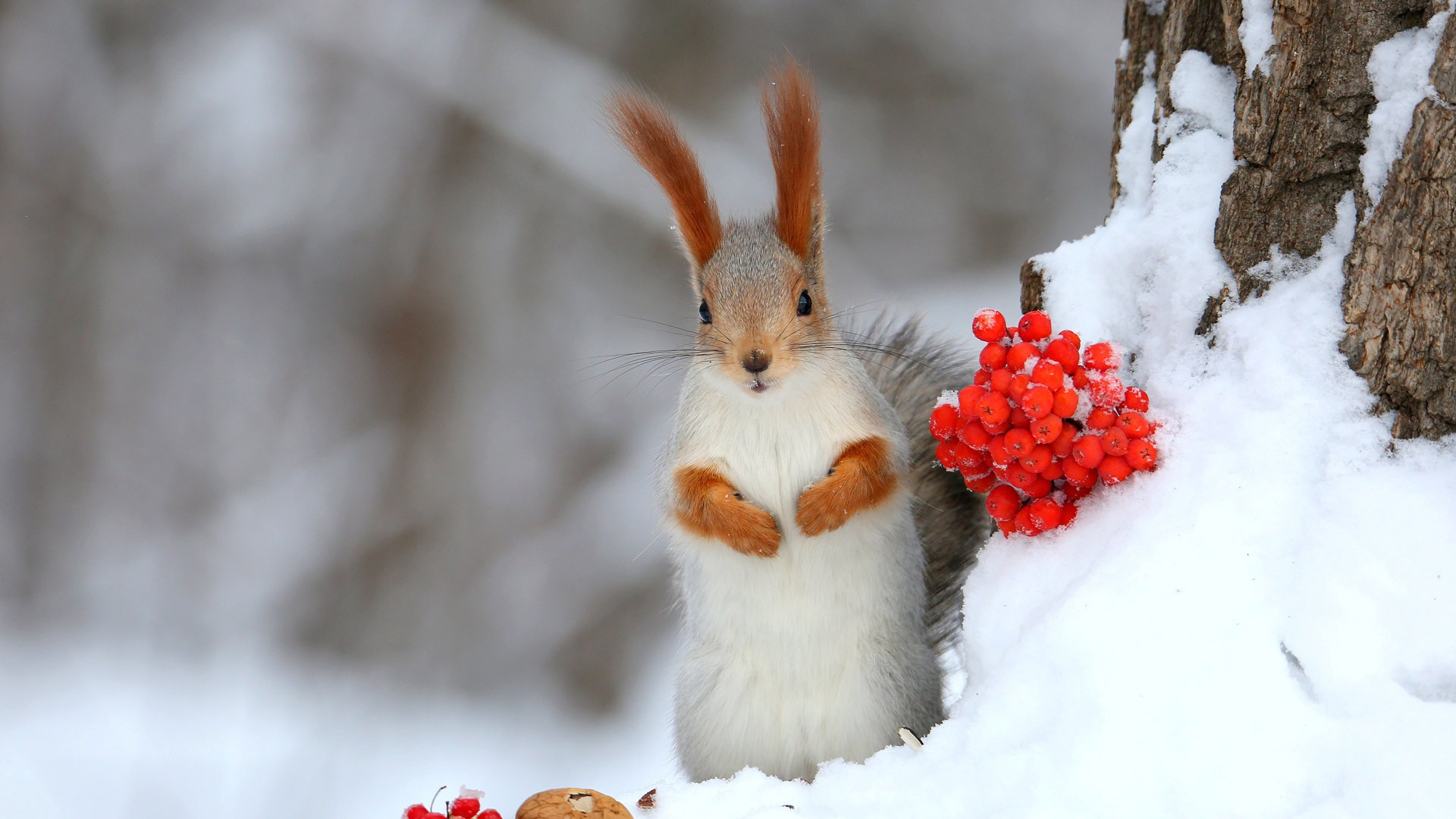
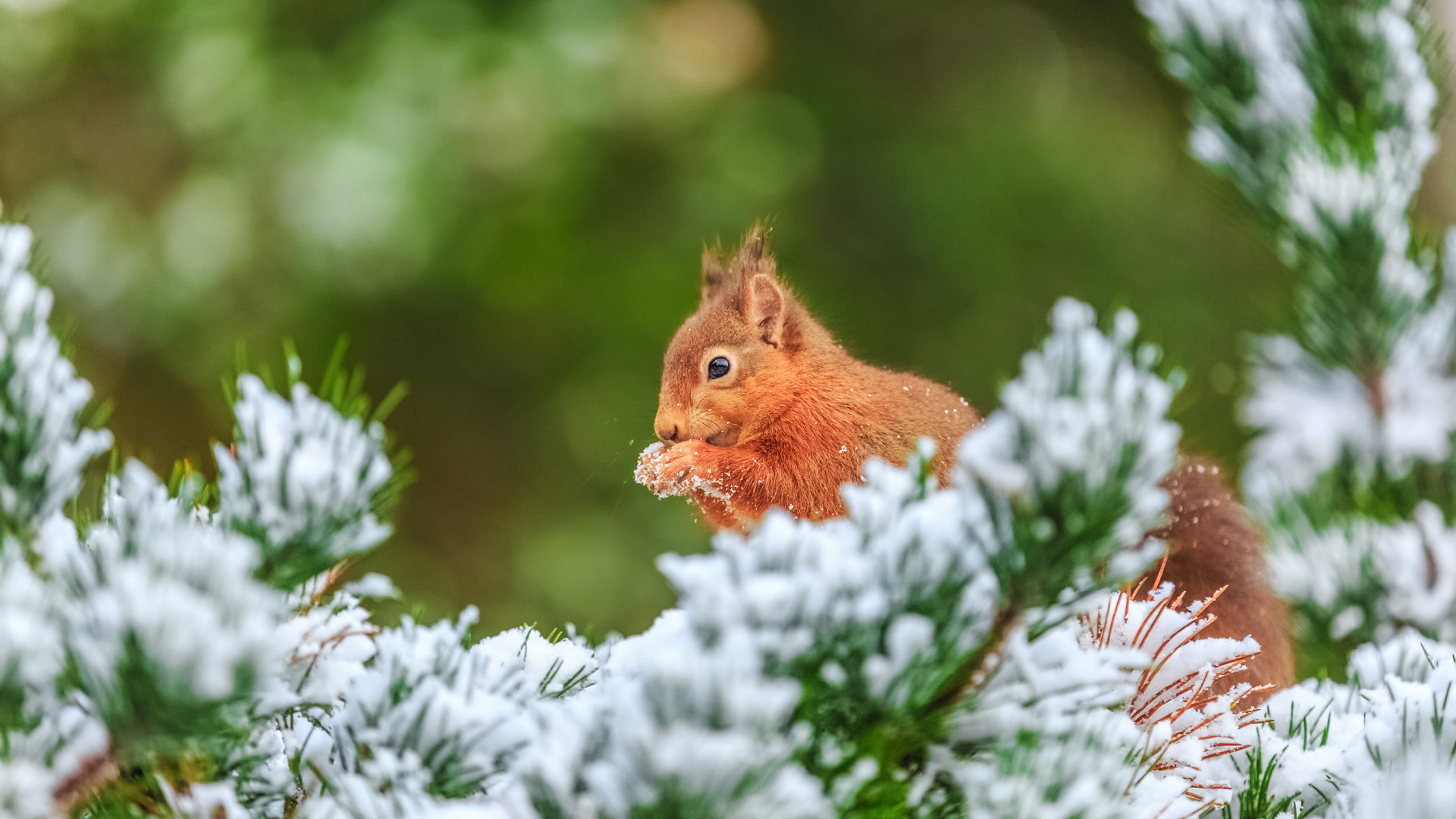
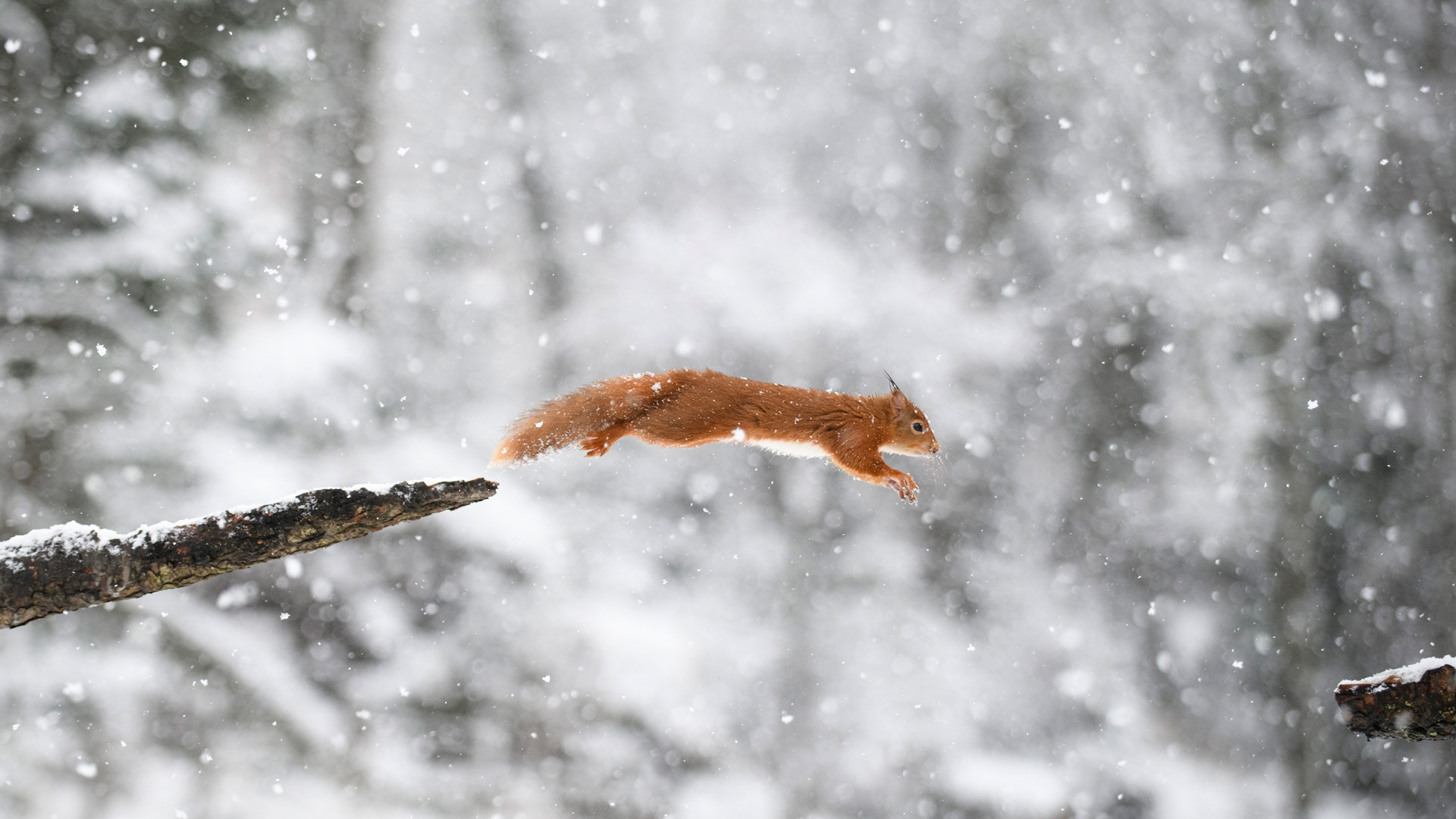
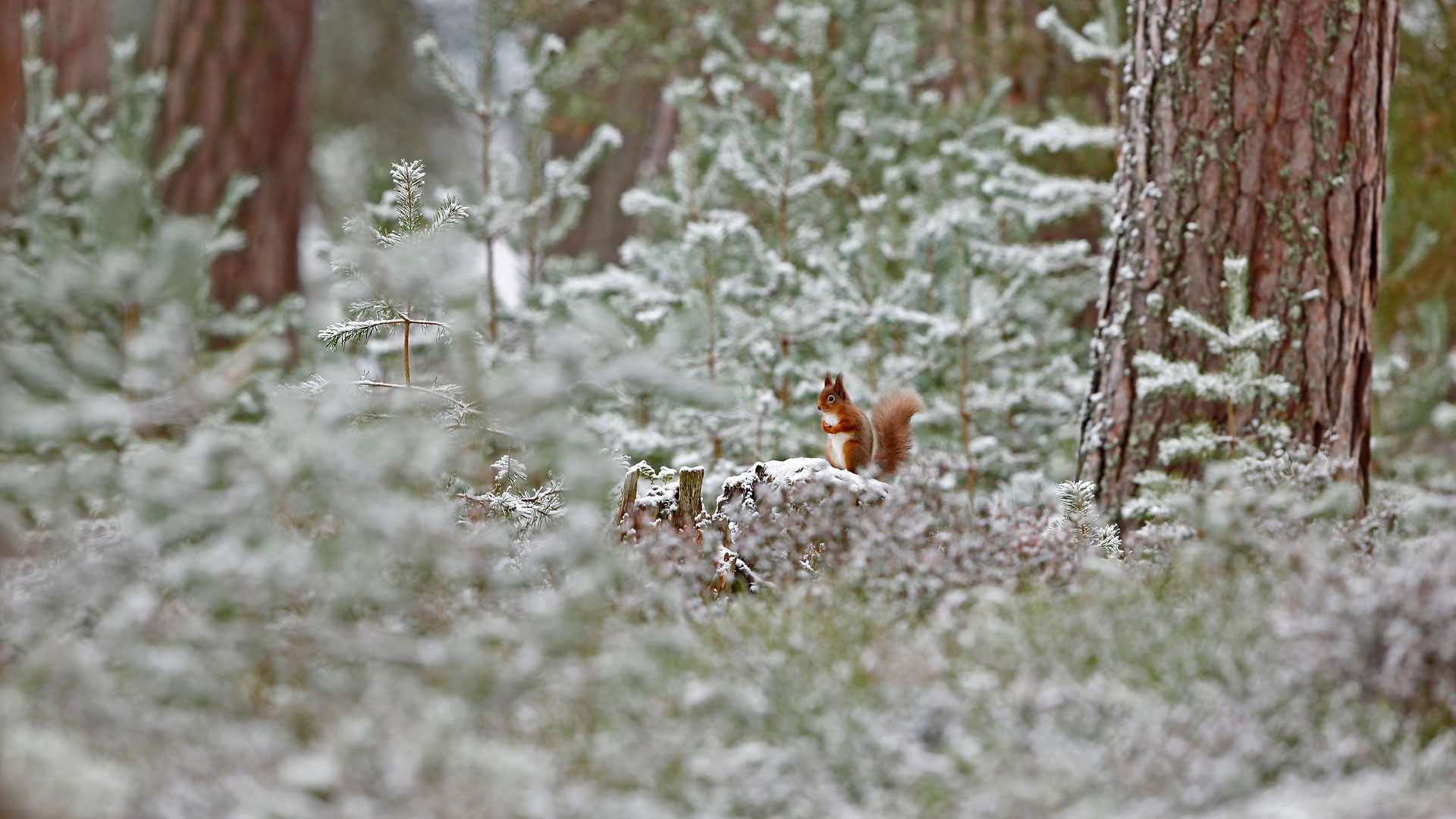
Eurasian red squirrels in snowy forests during winter.
For other posts about squirrels in this group please view:
zafoid.com/post/view/8884
zafoid.com/post/view/2408
zafoid.com/post/view/421
zafoid.com/post/view/202
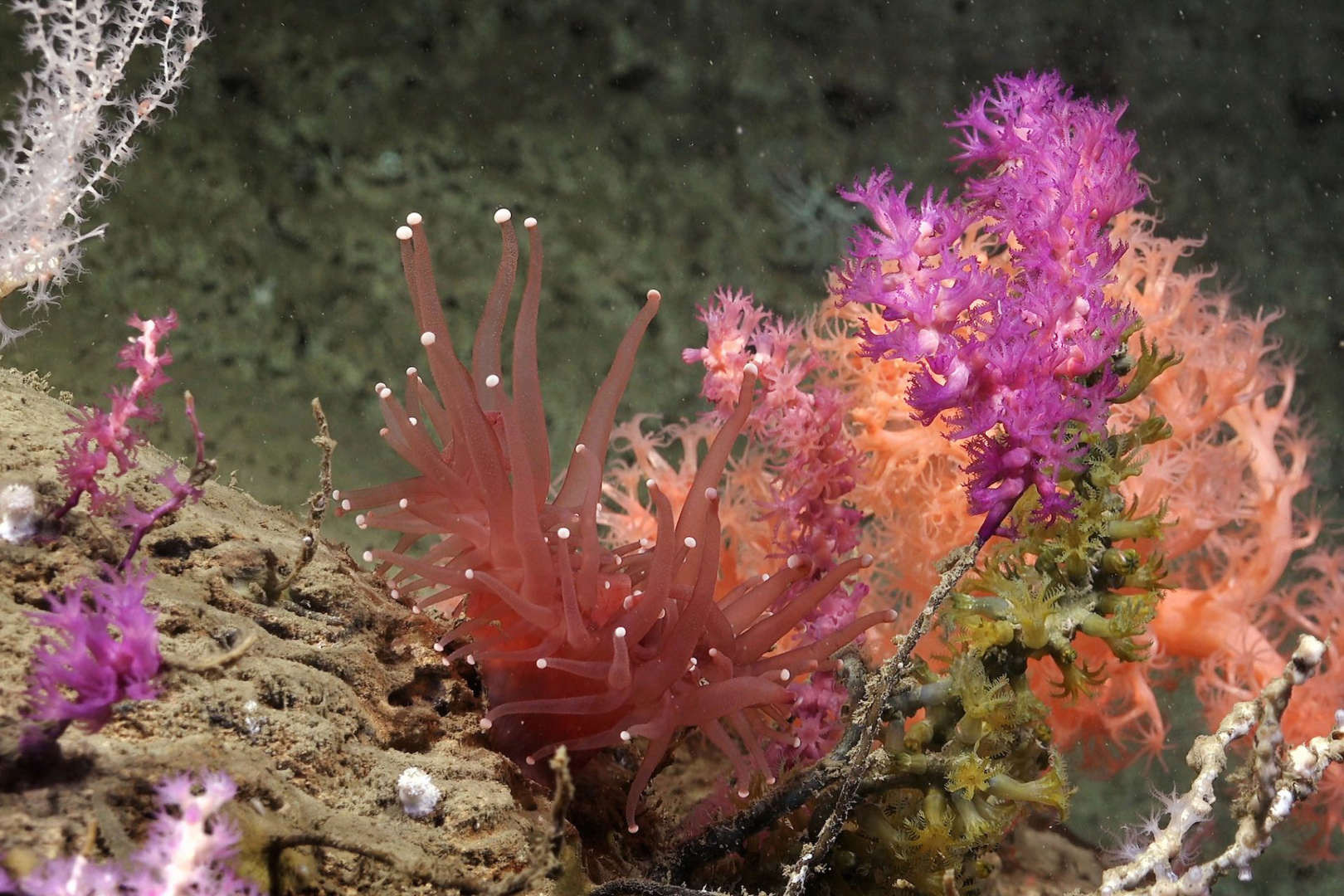
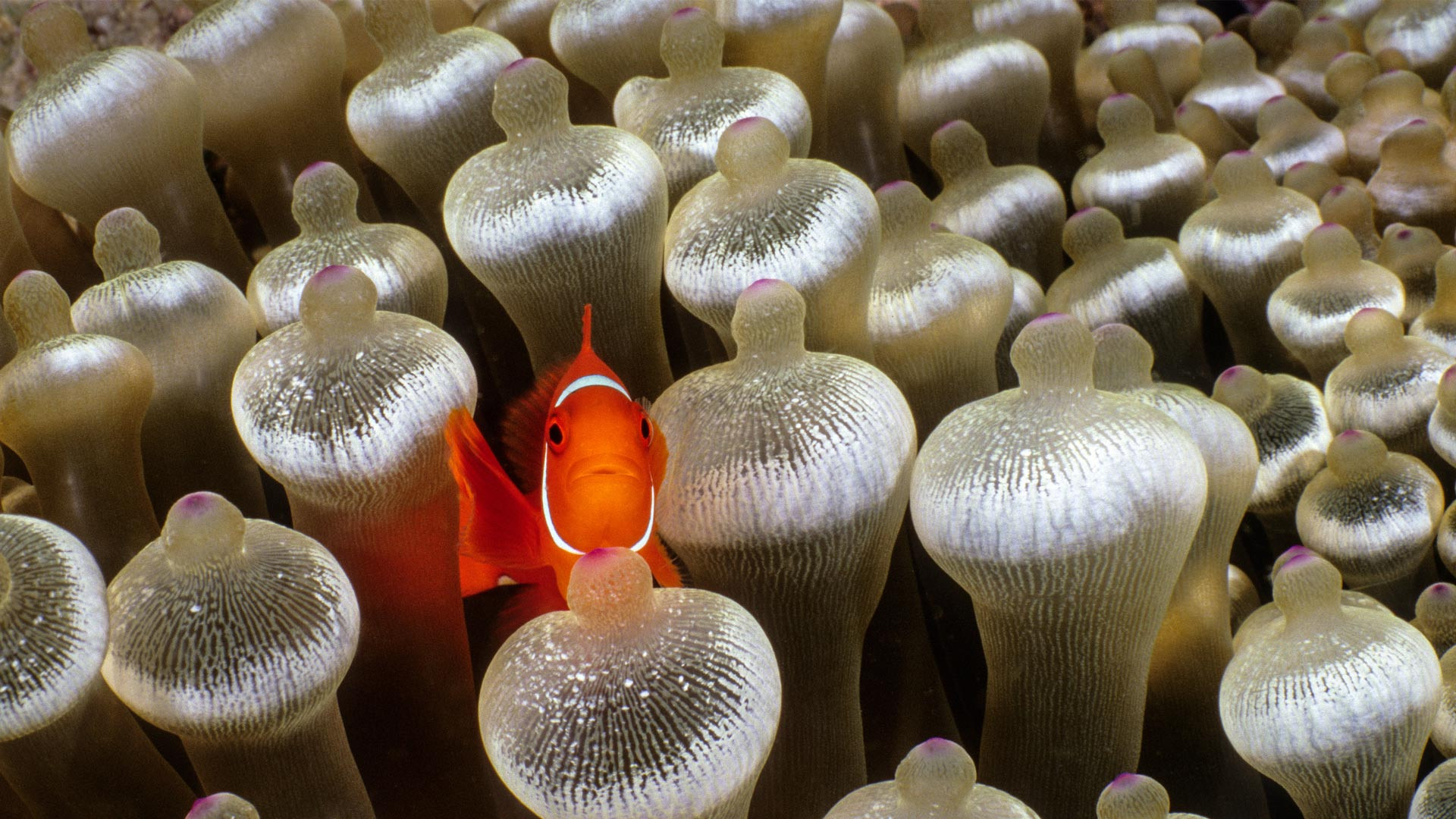
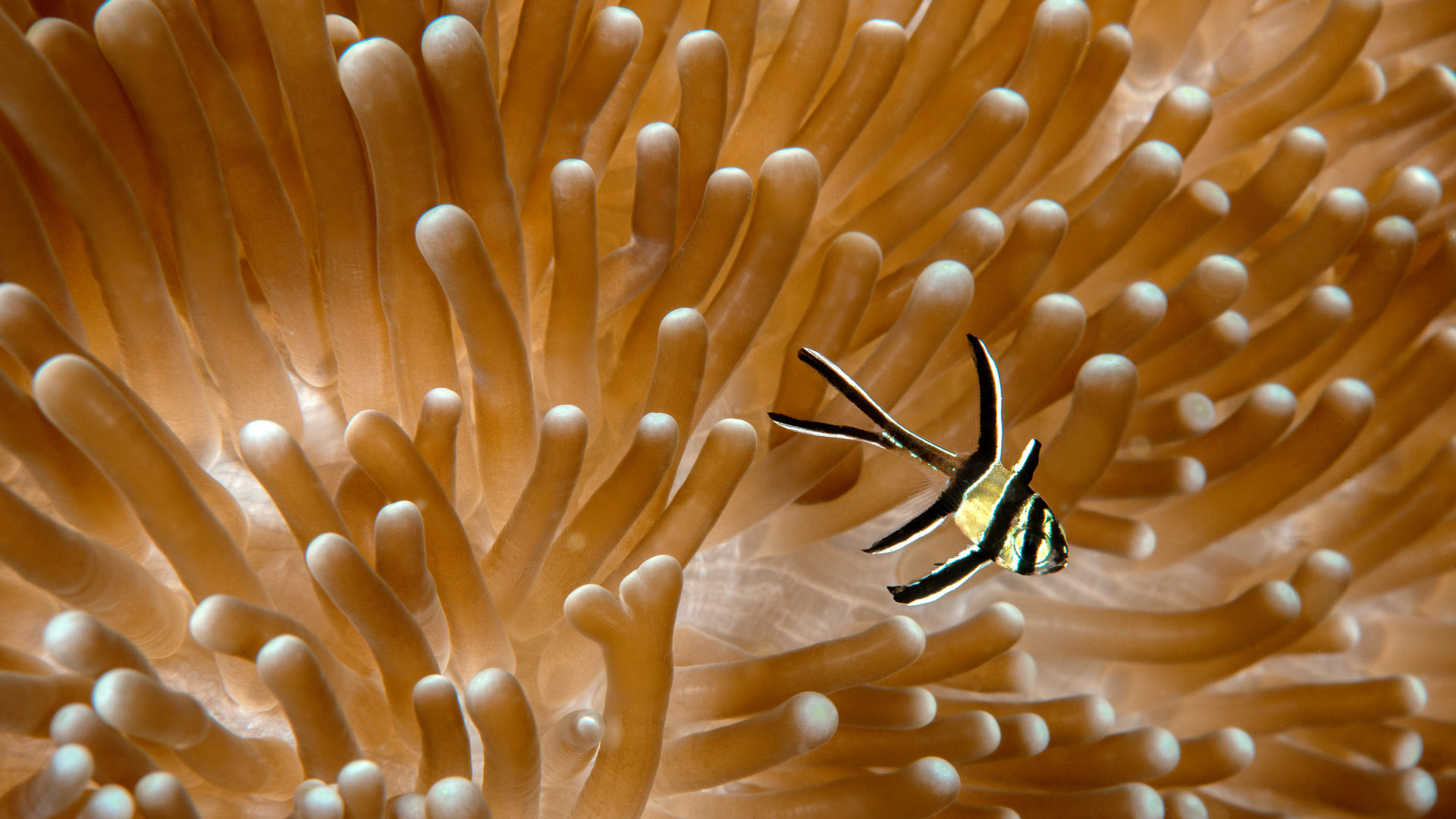
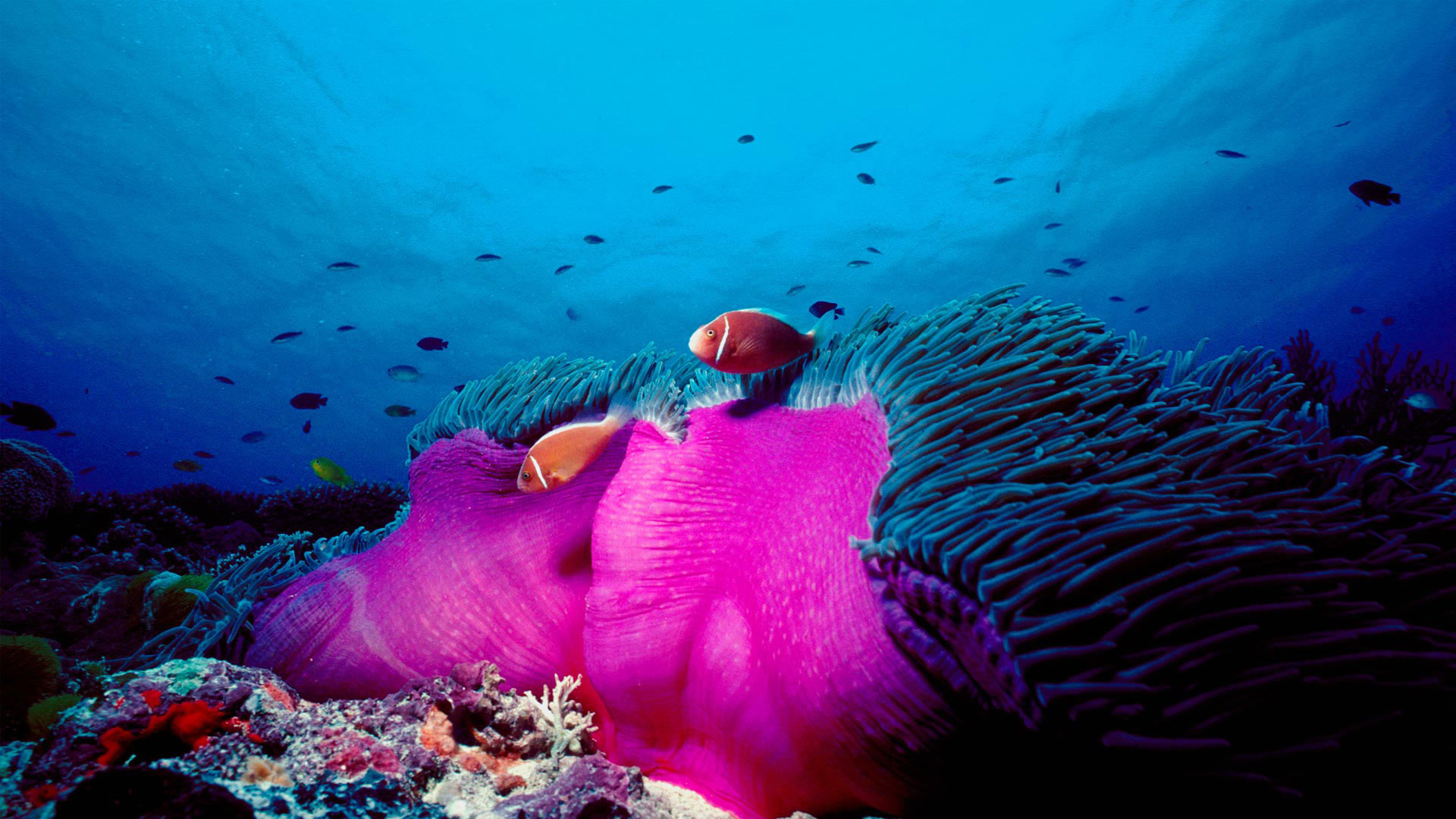
Though sea anemones may resemble marine plants, they are actually considered to be animals, akin to jellyfish and corals. Whilst firmly affixed to the seabed, they utilise their motile, stinging tentacles to paralyse unwary, small fish, which they then ingest. Some small fish however, such as clownfish and cardinalfish (both of which are featured in today's set of images), have developed interesting mechanisms that effectively neutralise the sea anemones' sting, enabling them to live tranquilly amongst the sea anemones' tentacles, thereby acquiring in this way sanctuary from their predators.
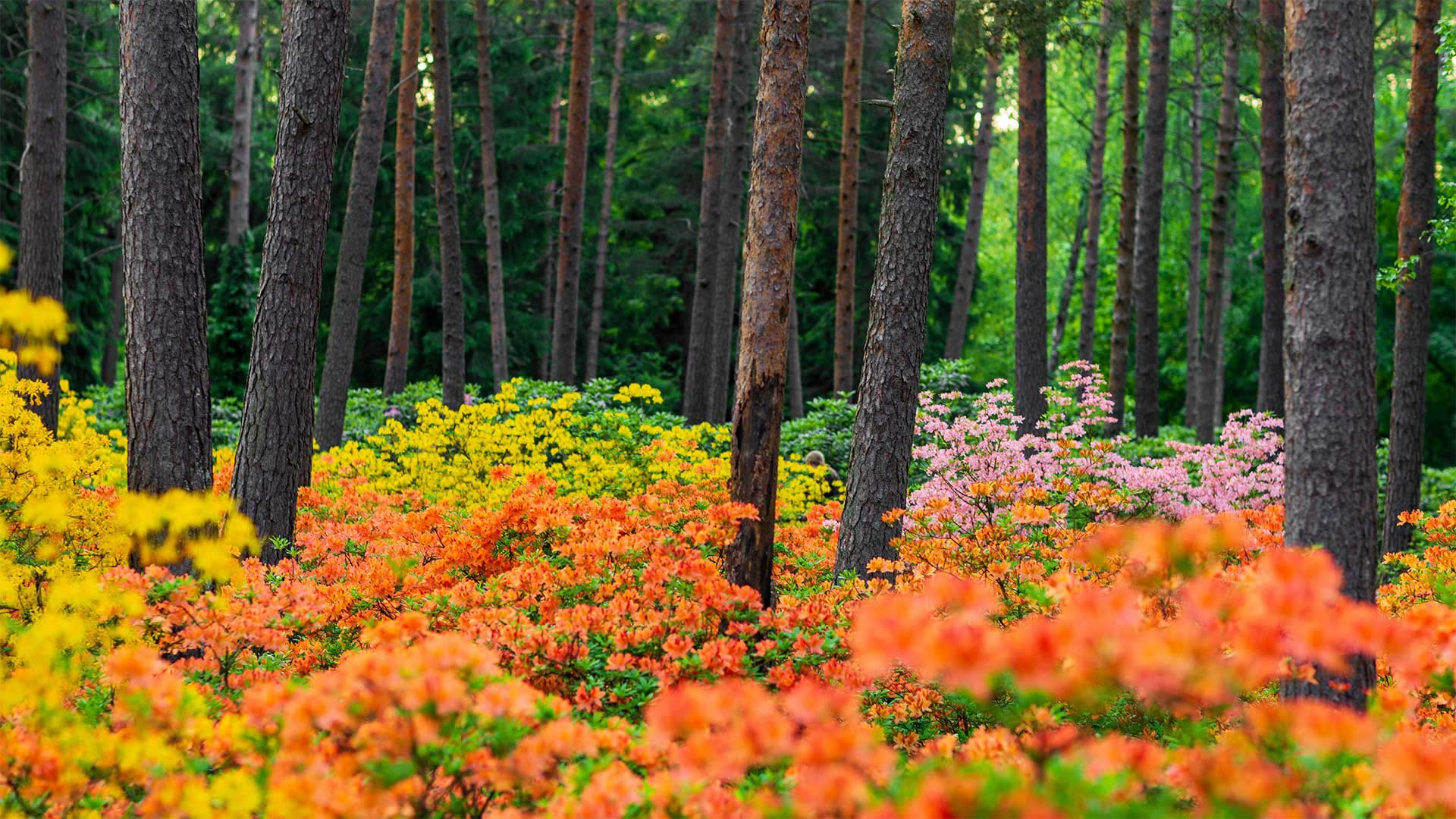
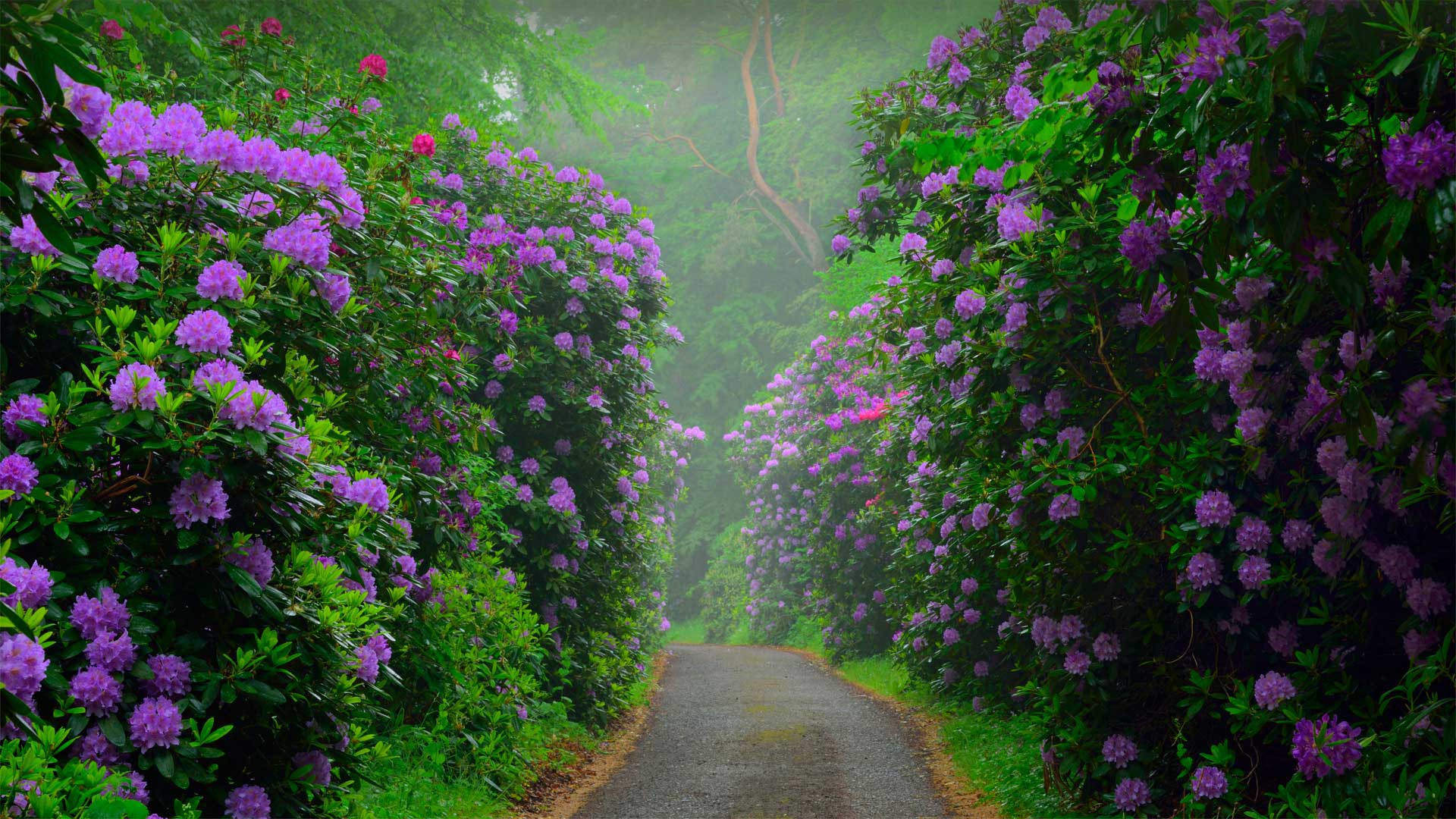
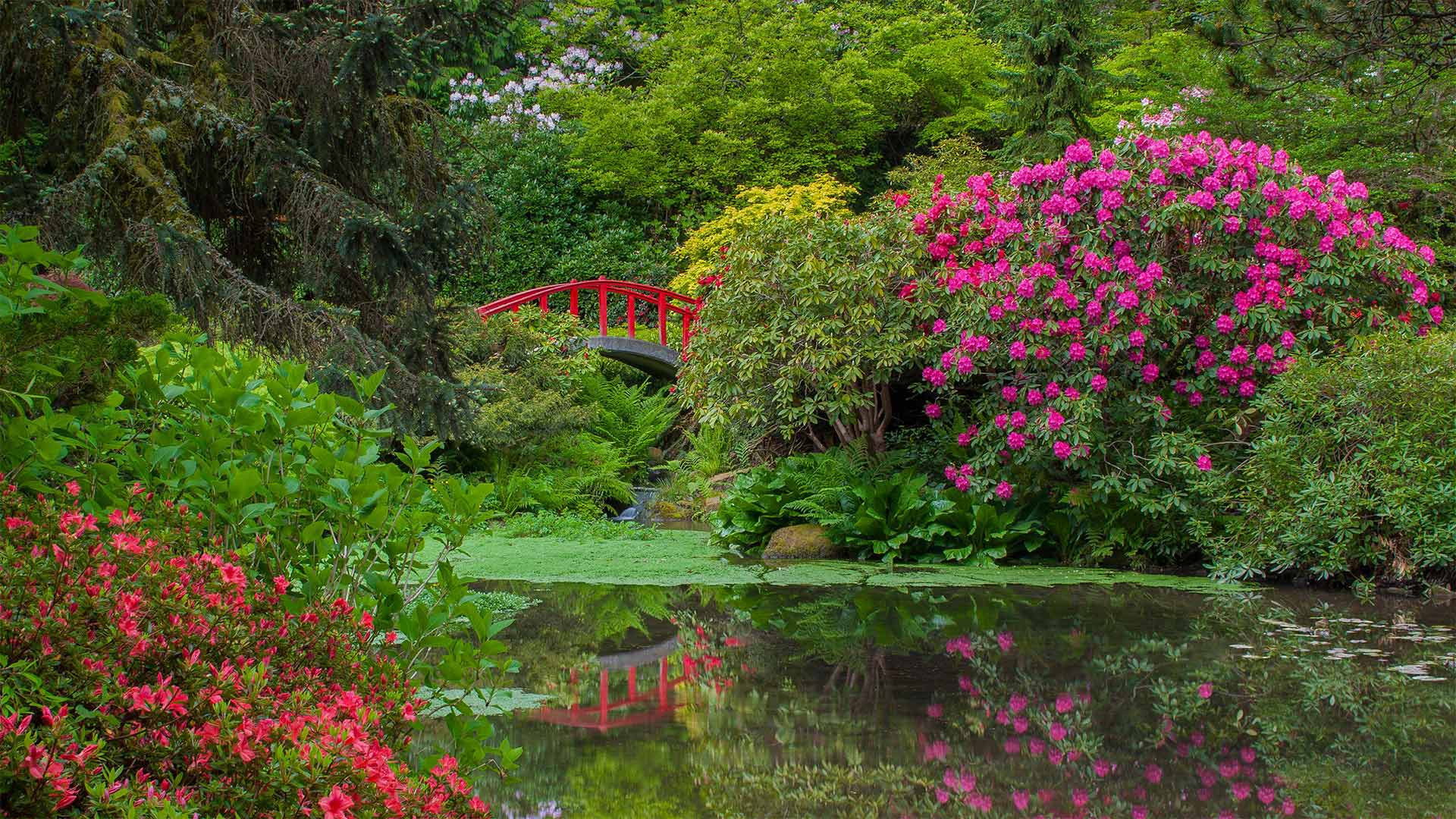
Common rhododendrons and azaleas in full bloom, as seen in parks in Europe and North America.
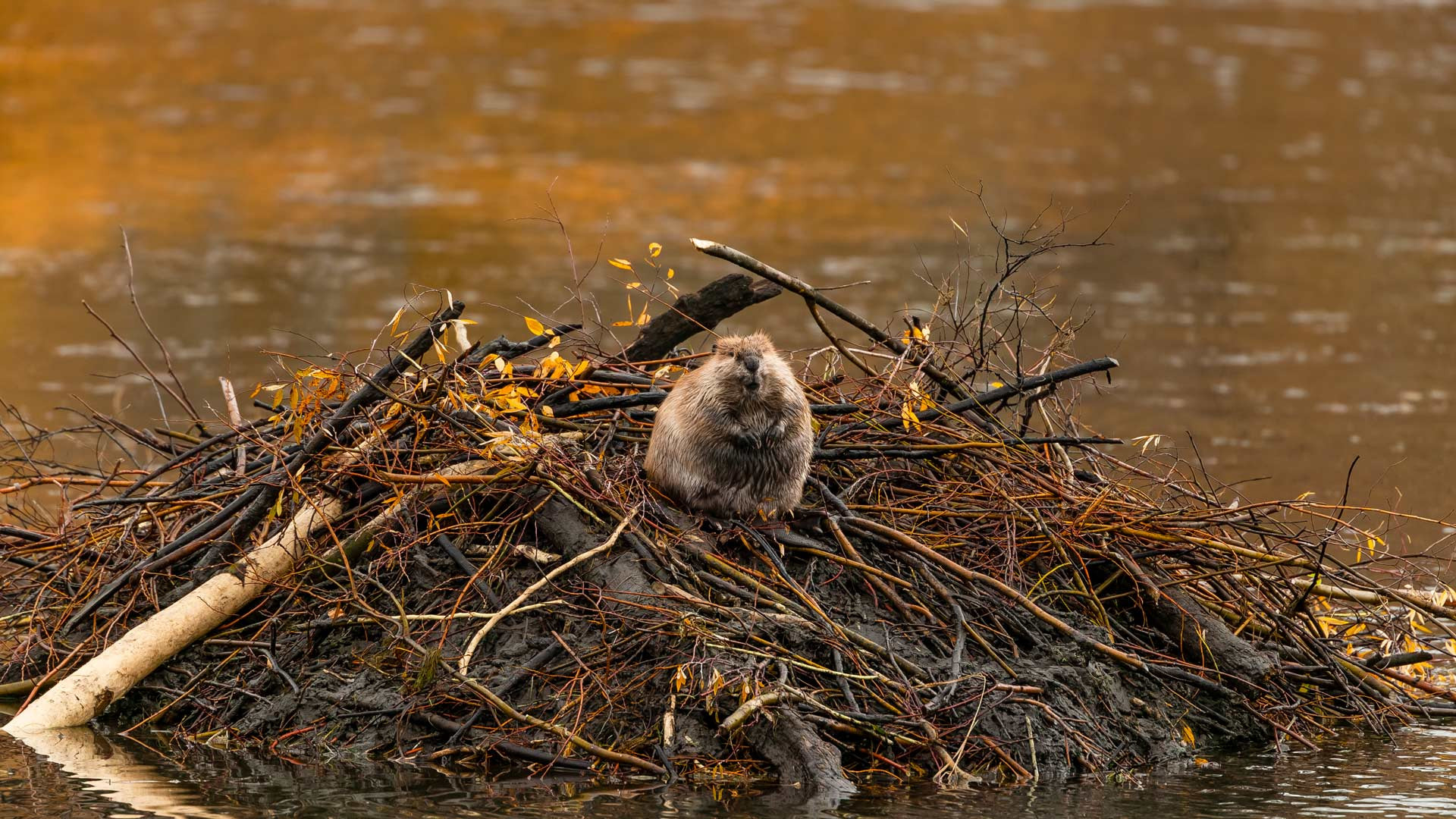
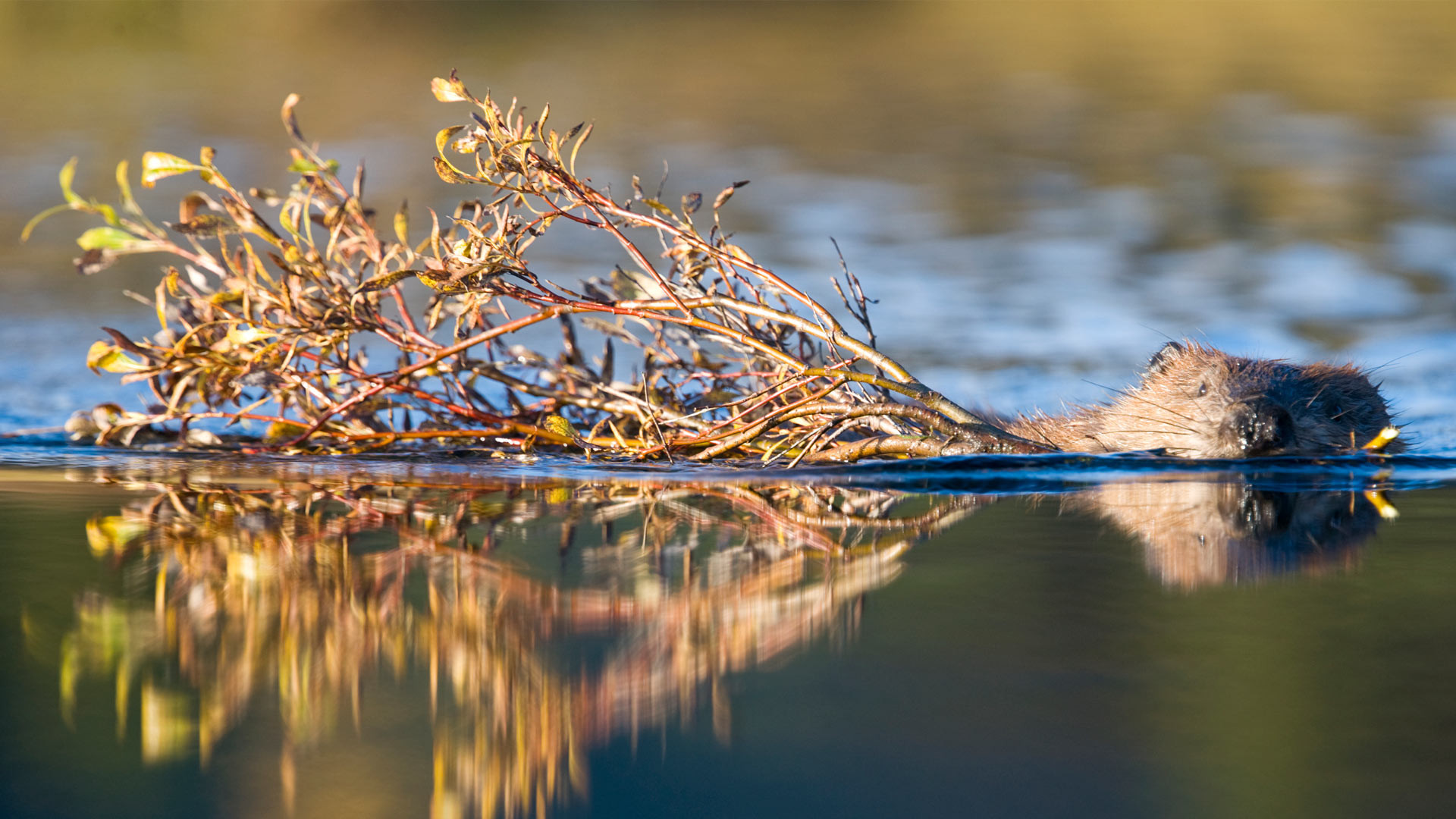
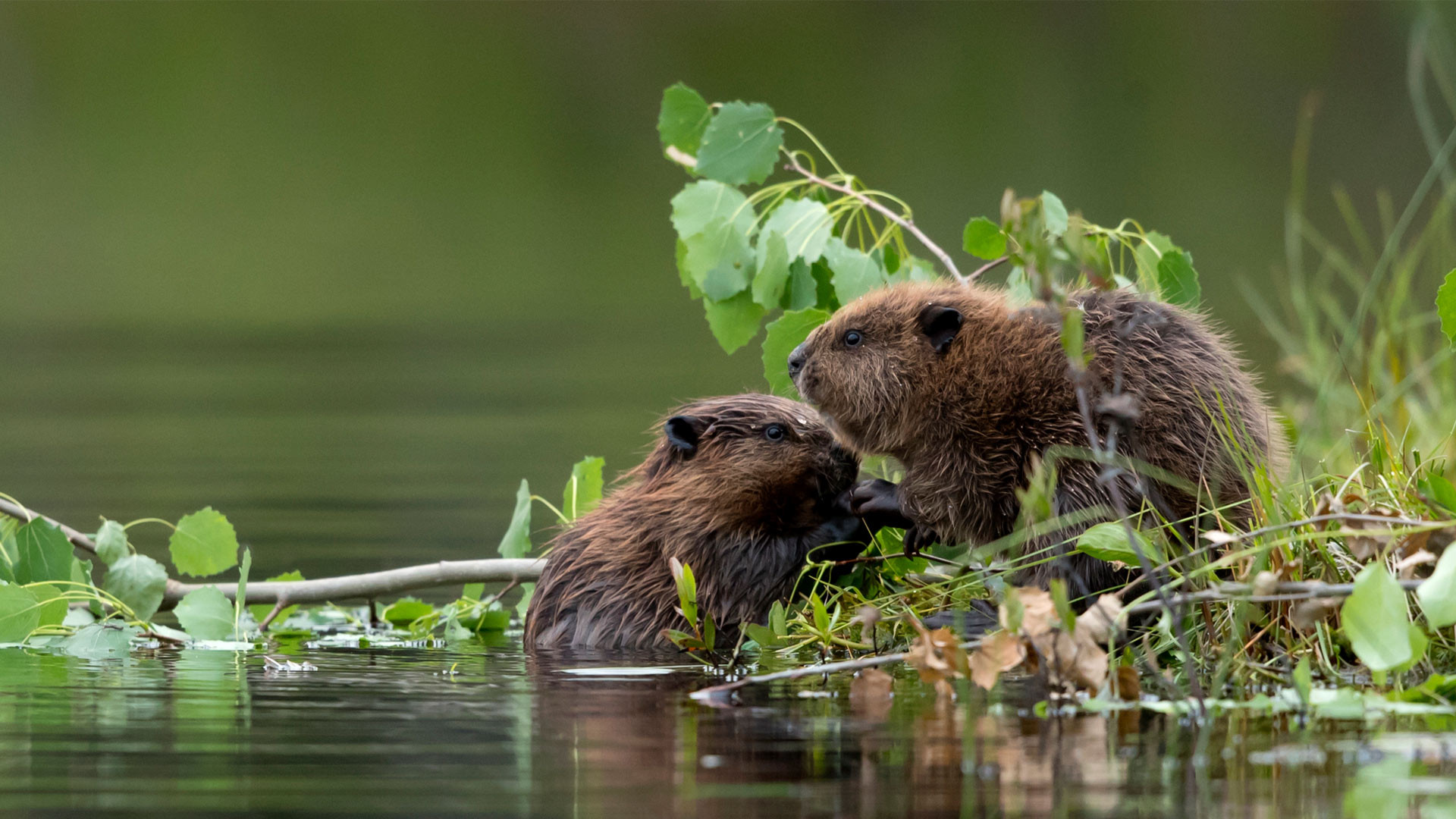
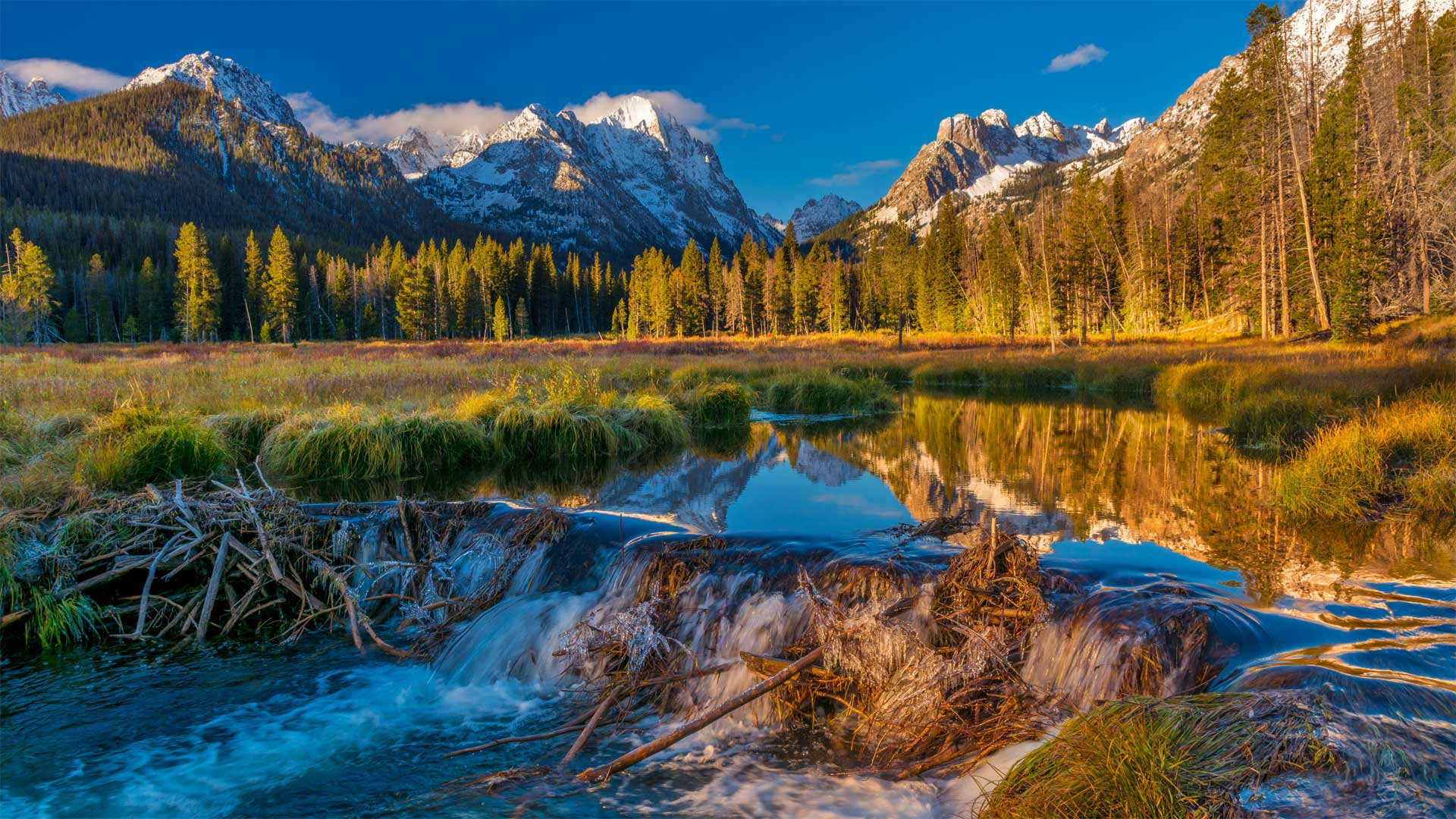
Beaver dams are little engineering marvels. Branch by branch, they work industriously and purposefully to make their environment better. The renownedly hard-working beaver has been transforming freshwater landscapes for millenia, chopping down trees with their iron-reinforced orange incisors to construct dams that restrict water flow, thereby enhancing its usefulness, and produce wetlands that are home to an astounding variety of species. Their robust lodges, constructed of mud and wood, feature submerged entrances that shield them from predators and ensure the safety of their families.
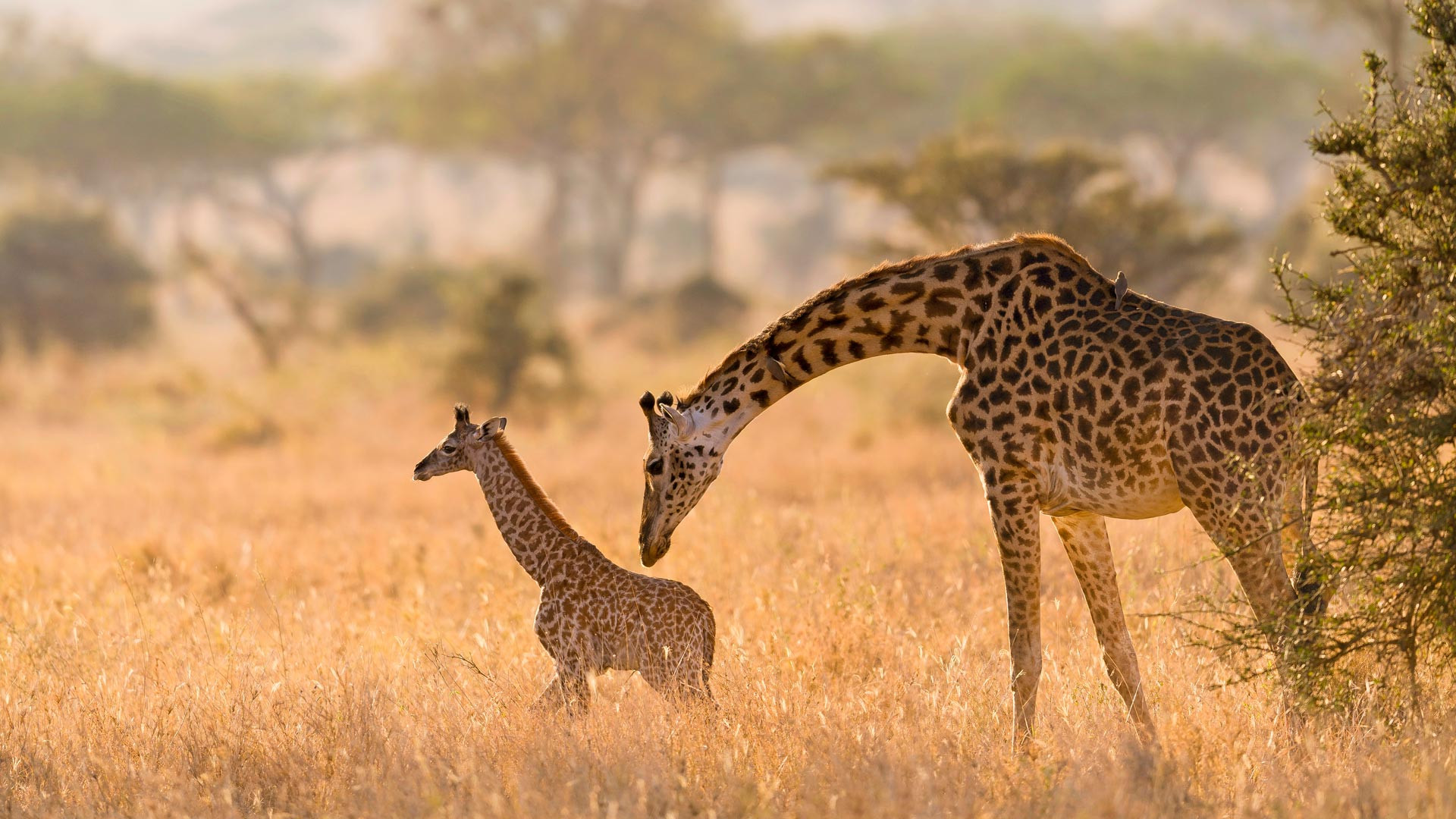
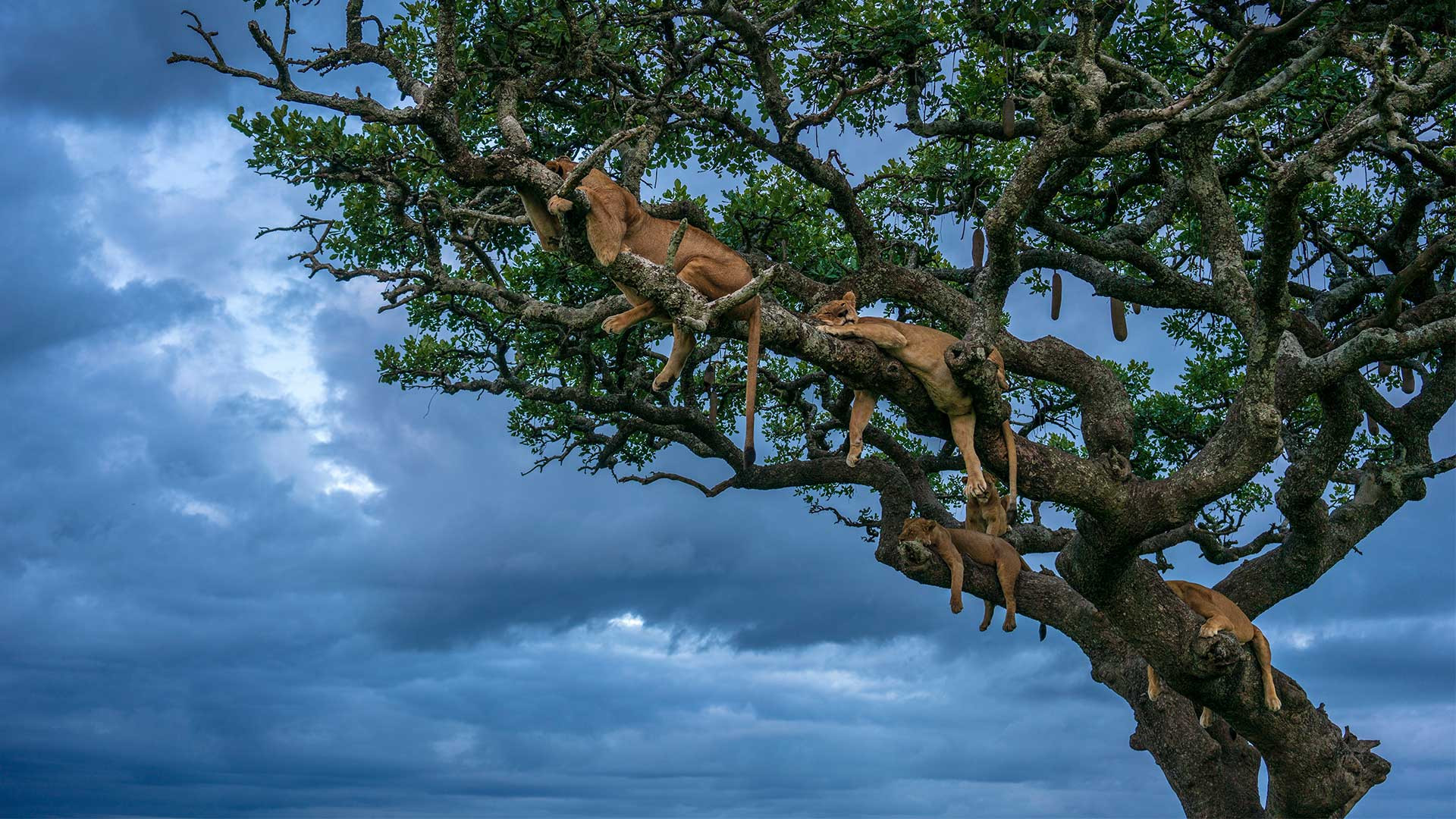
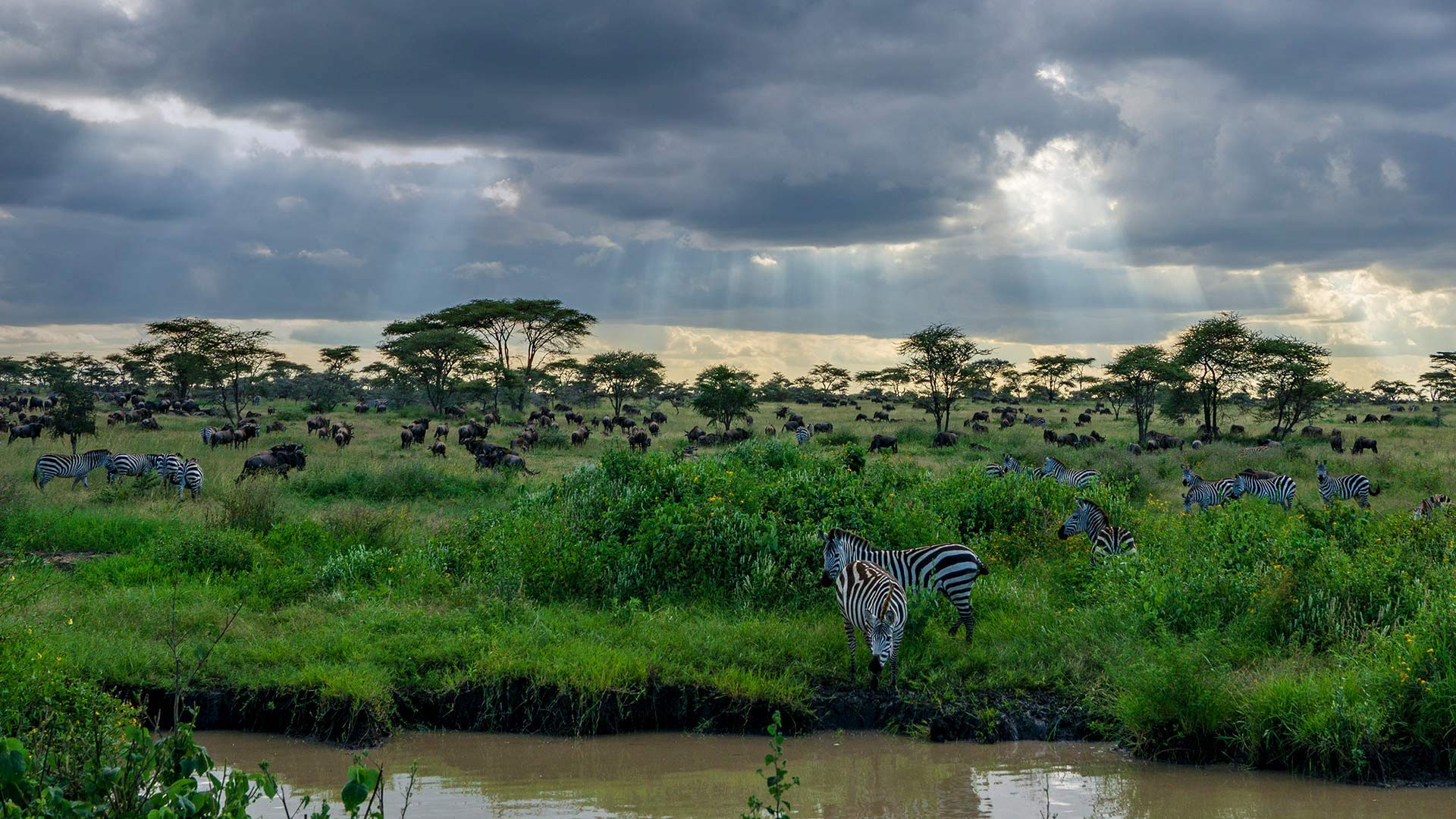
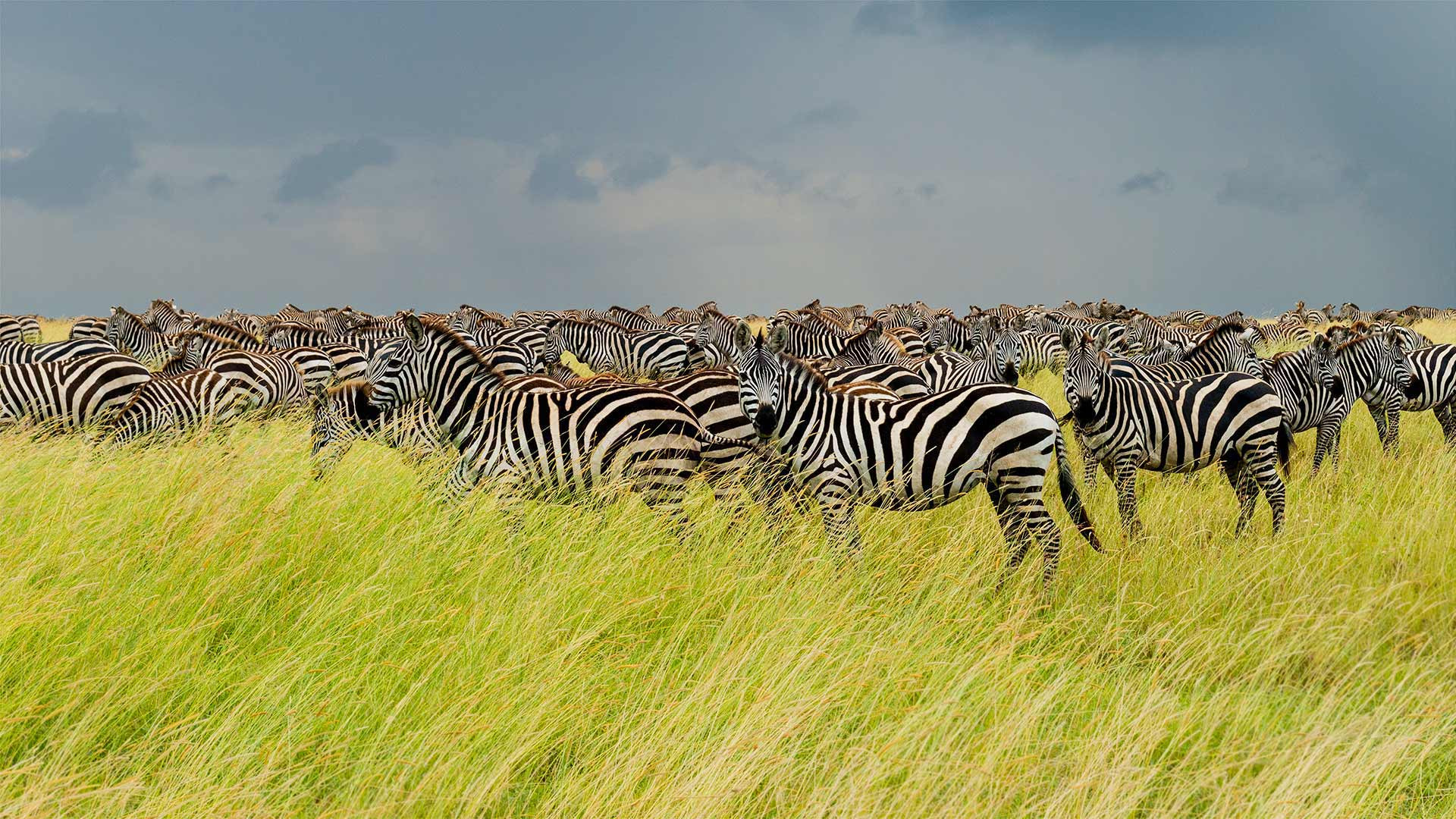
The famous Serengeti National Park, in Tanzania, hosts a wide variety of wildlife, including giraffes, zebras and wildebeests, as well as being home to the largest lion population in Africa. Unfortunately it is under threat from deforestation, population growth, poaching, and ranching. (Click on image to view full size.)
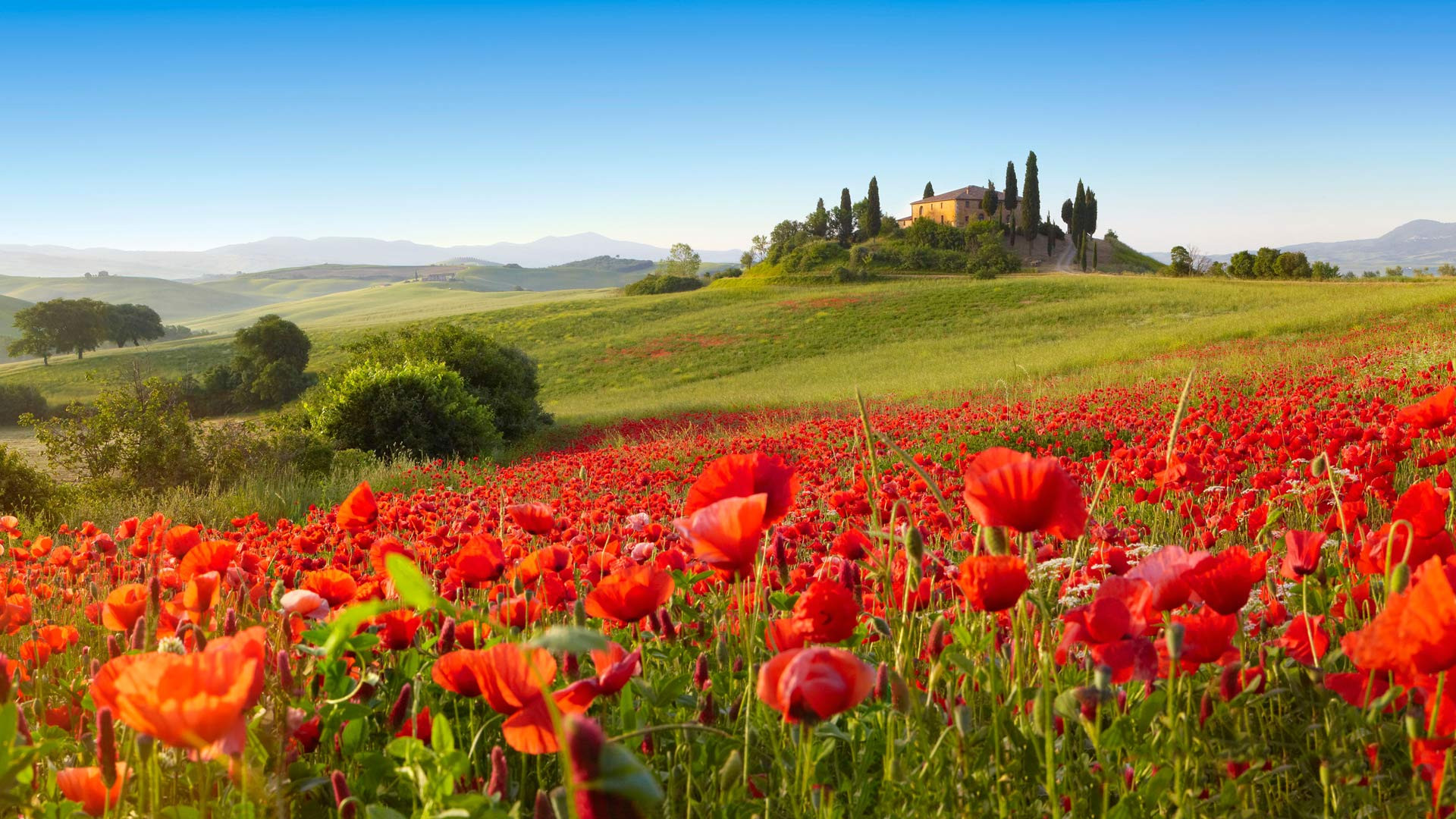
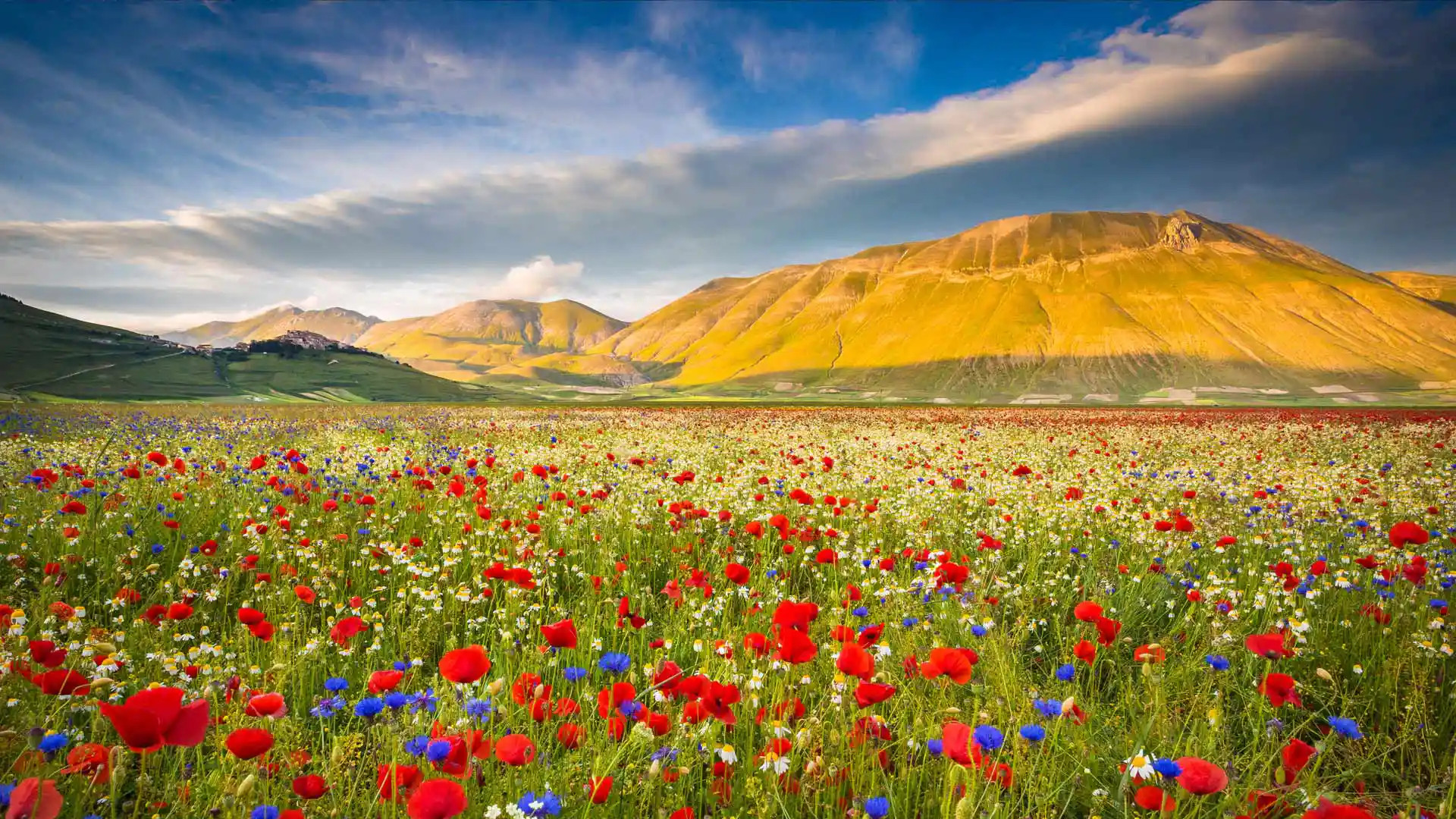
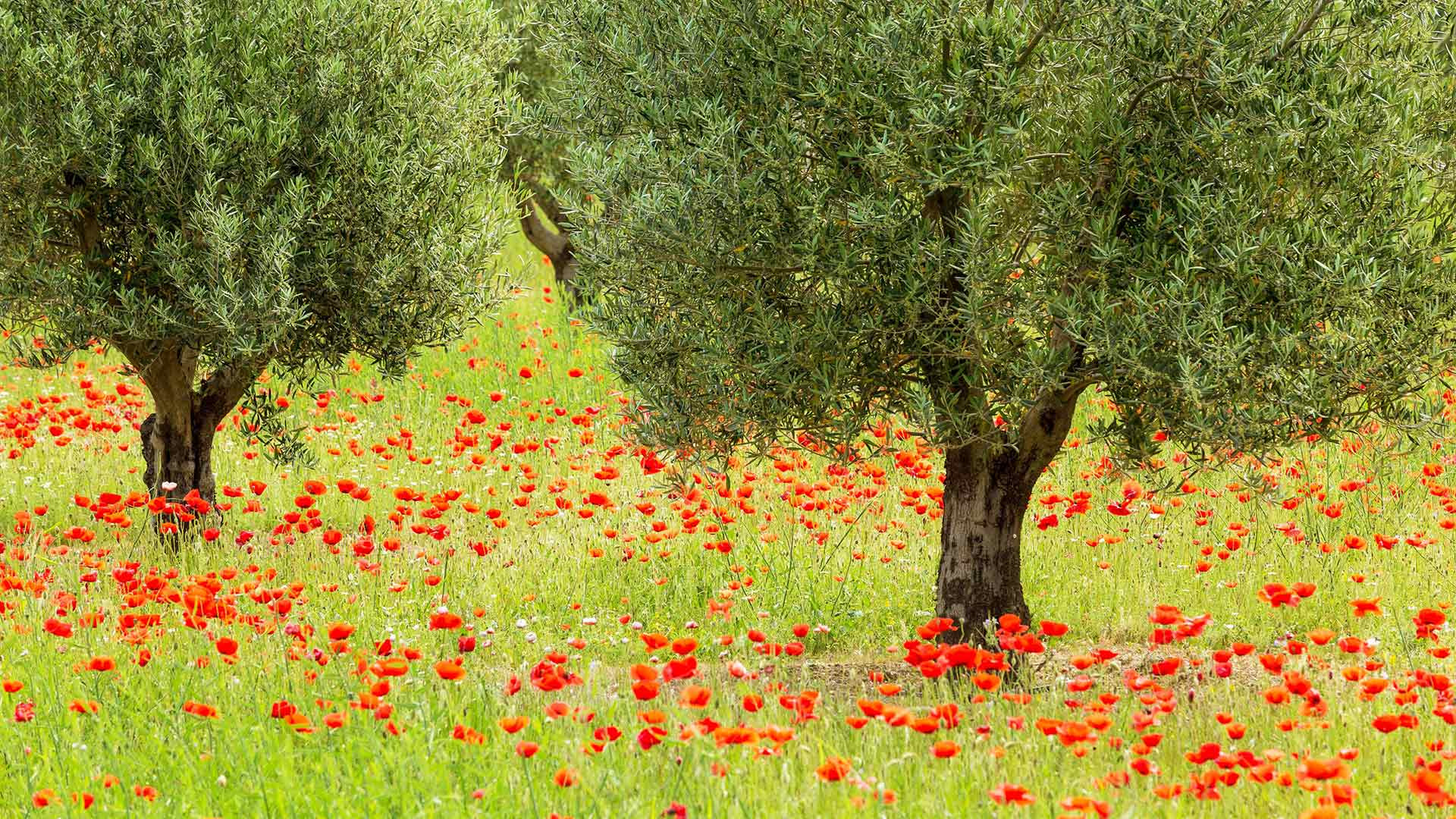
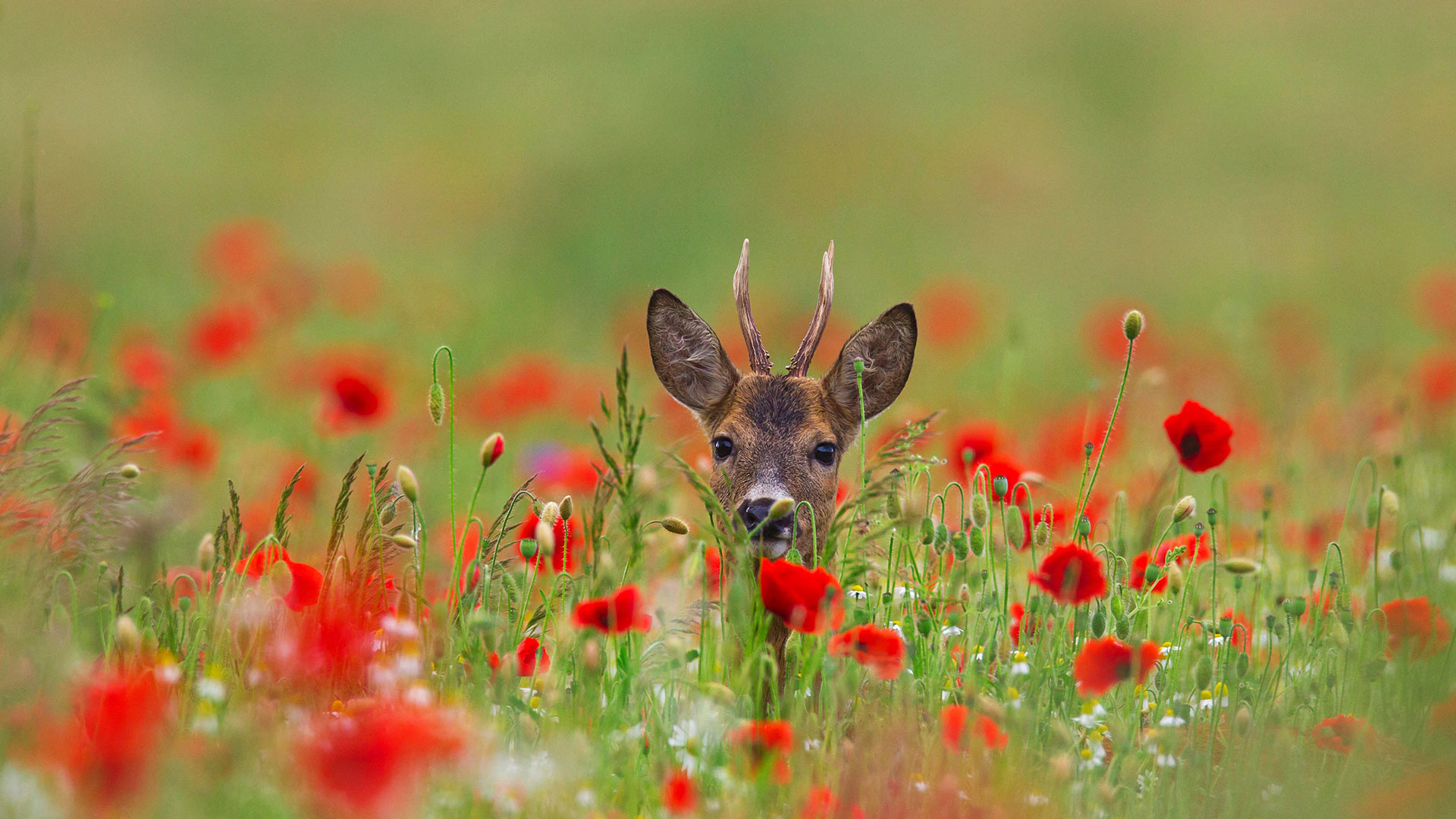
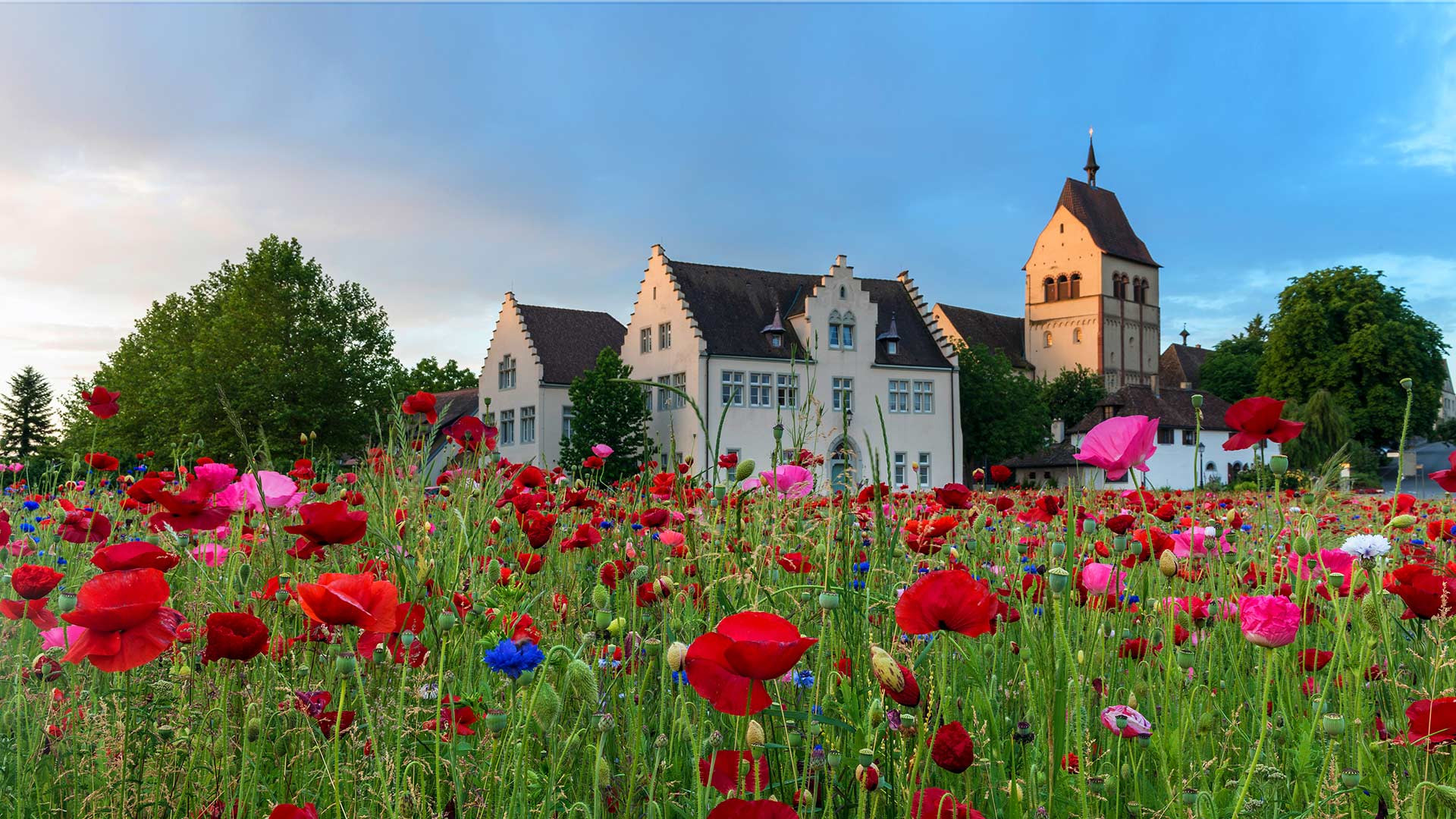
The common red poppy is a resilient wildflower that paints the countryside with glorious splashes of red, particularly during the spring and summer months.