
Large female whale shark feeding on tuna eggs
Video captured last year, in the waters off St Helena Island, in the South Atlantic Ocean, courtesy of underwater photographer Martijn Schouten.
Video captured last year, in the waters off St Helena Island, in the South Atlantic Ocean, courtesy of underwater photographer Martijn Schouten.

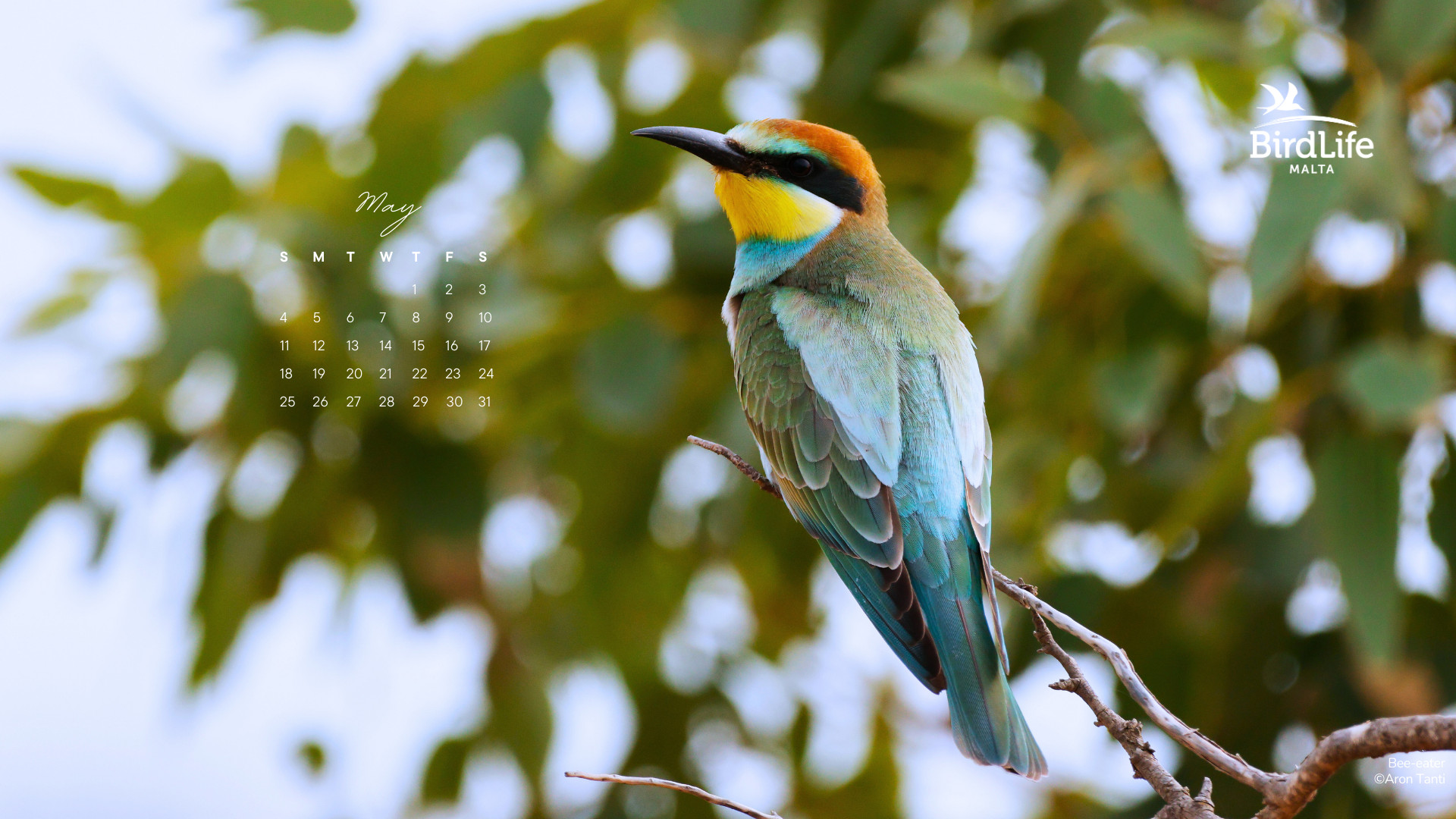
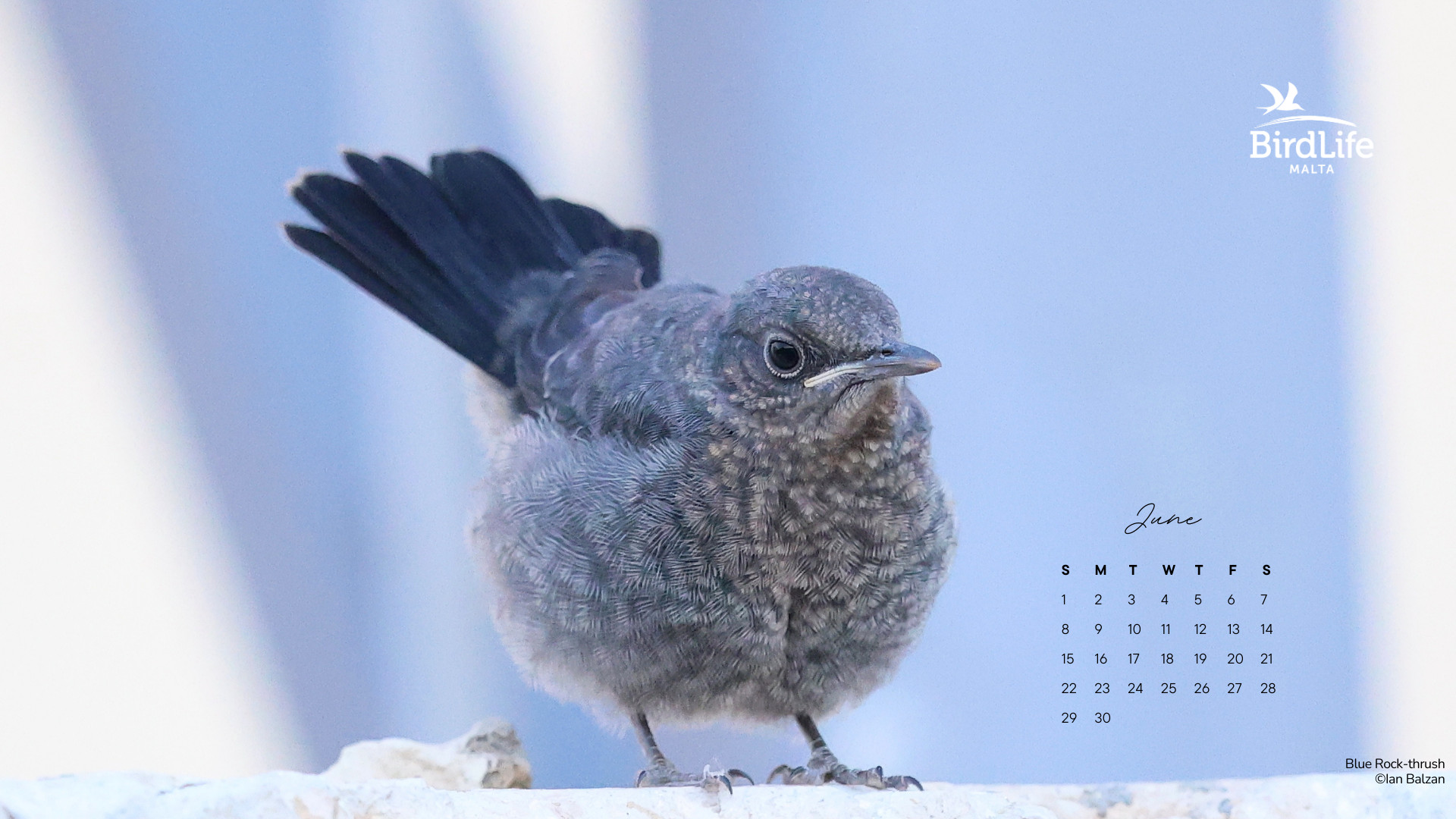
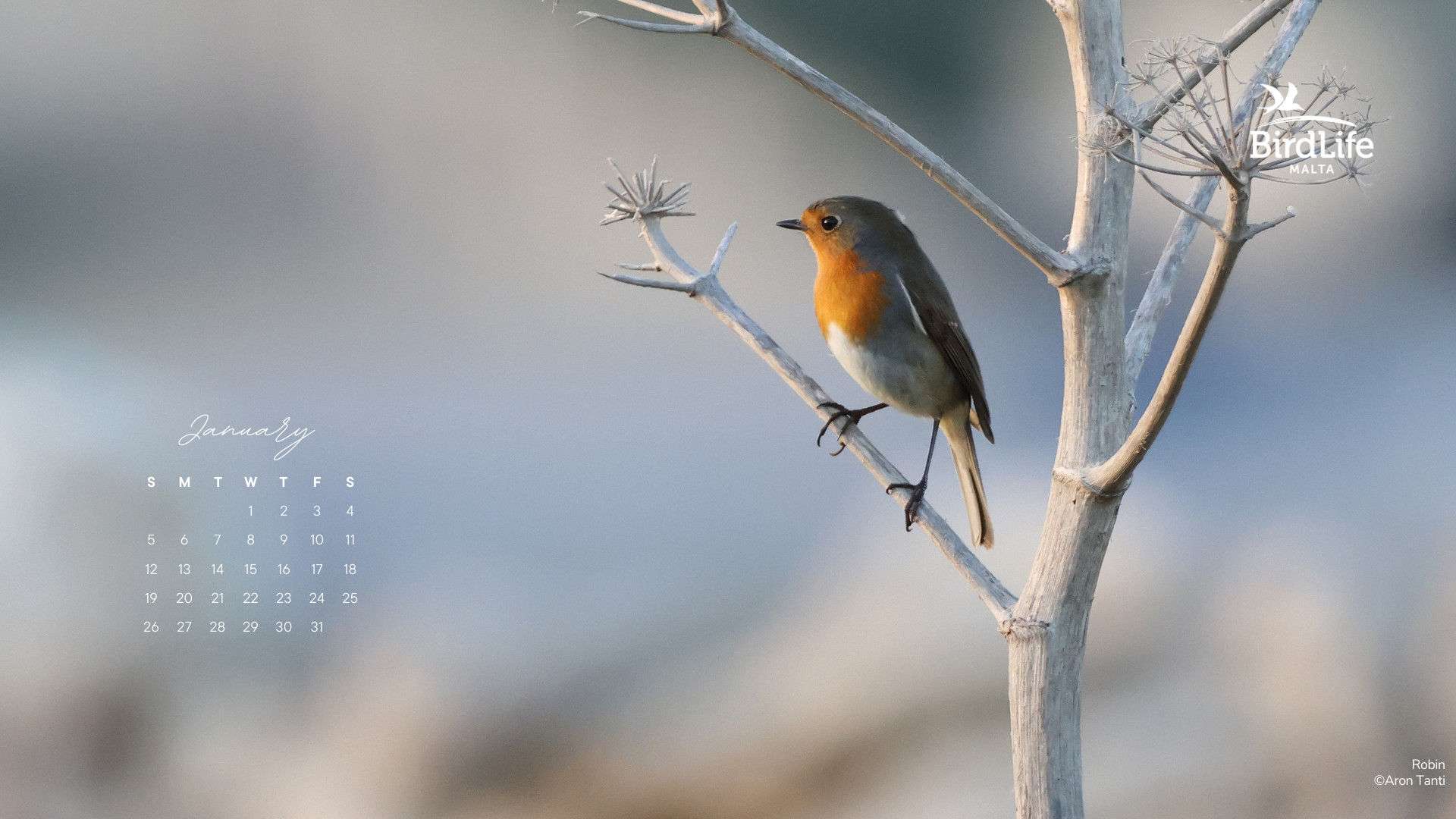
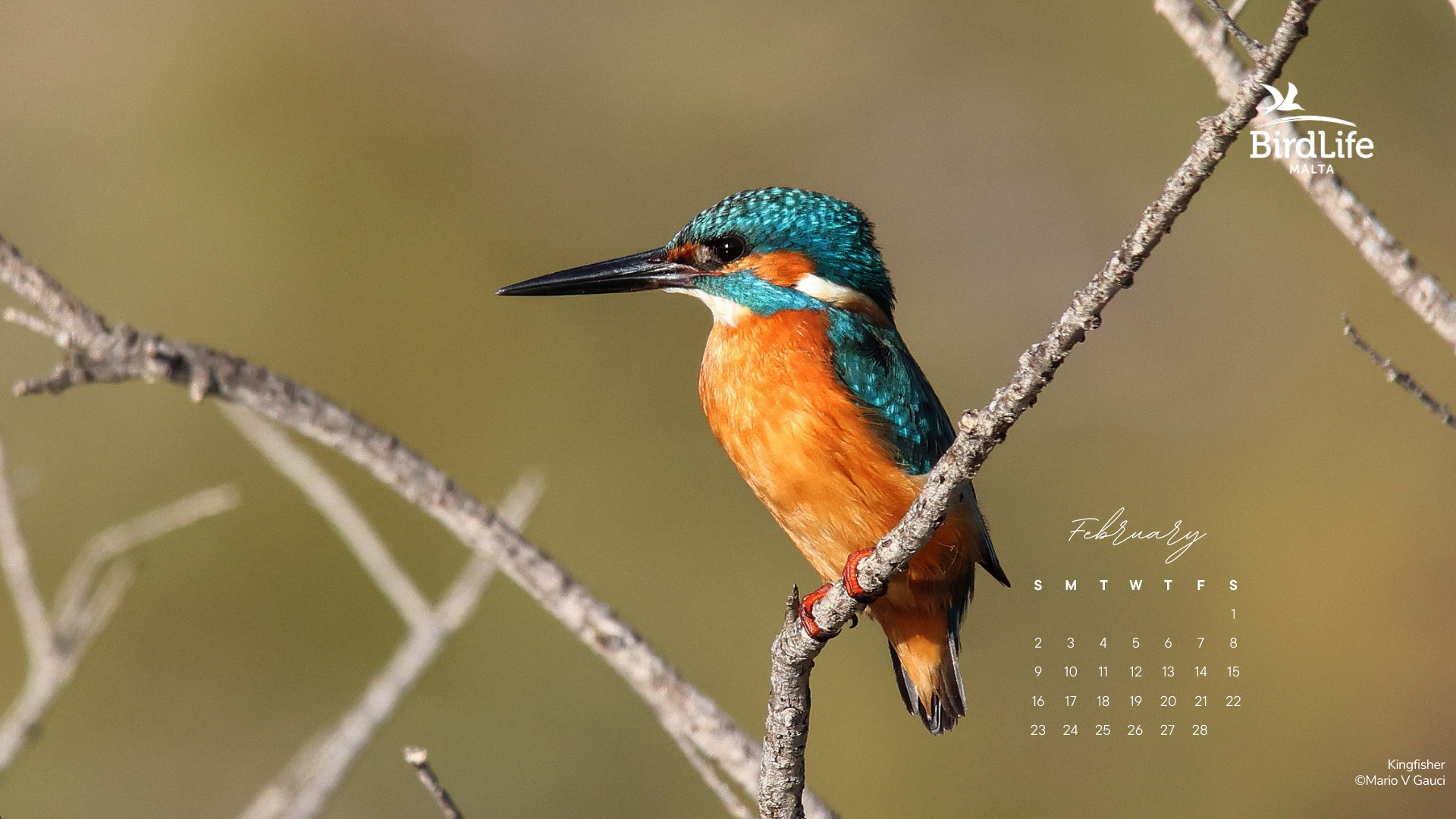
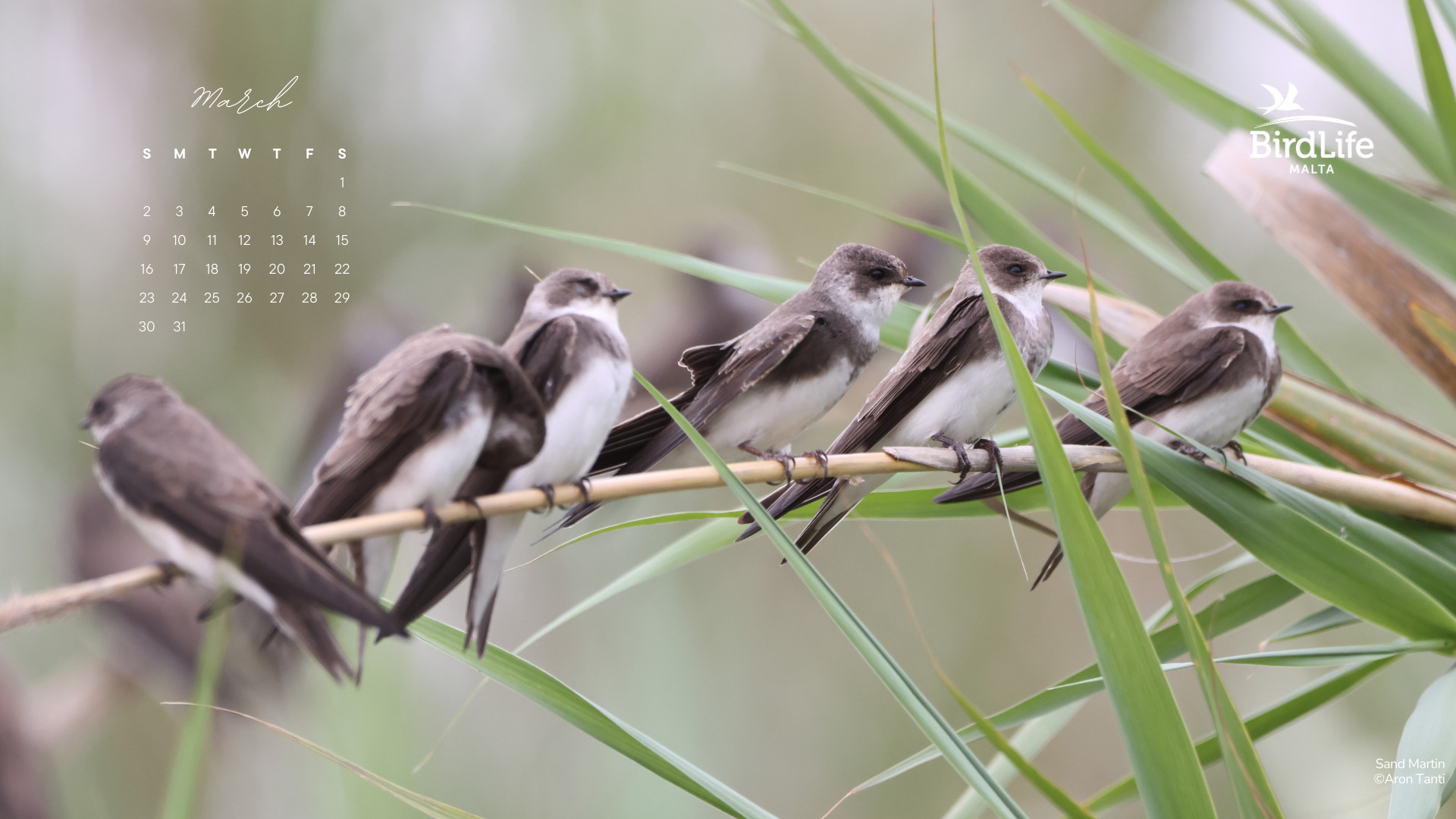
Six wild birds that call the Maltese islands home (please click on an image to see full size), photographically captured by Aron Tanti and other BirdLife Malta members.

Found in tropical and subtropical seas worldwide, the glass octopus inhabits mesopelagic to bathypelagic zones of the ocean, typically at depths where sunlight penetration is minimal. Due to its deep-sea habitat, encounters with this species in the wild are very rare.
Glass octopus live in the open ocean and can reach a total length of 45cm. These unusual animals get their name from their translucent bodies, which are almost entirely clear, like glass.
“It gets its name from its ability to be almost completely transparent. In part of this clip, its chromatophores (cells that produce colour for camouflage, seen here as yellow dots) can be seen,” says Schmidt Ocean Institute. "The only aspects of that are not clear are optic nerve, eyeballs and digestive tract.”
The species has distinctive rectangular eyes when viewed laterally. This cylindrical design, with a centered lens, limits horizontal vision but minimisew the eye’s silhouette when viewed from below, aiding in camouflage. Indeed, as can be verified from this video, when viewed from directly above, the glass octopus almost disappears from view altogether.
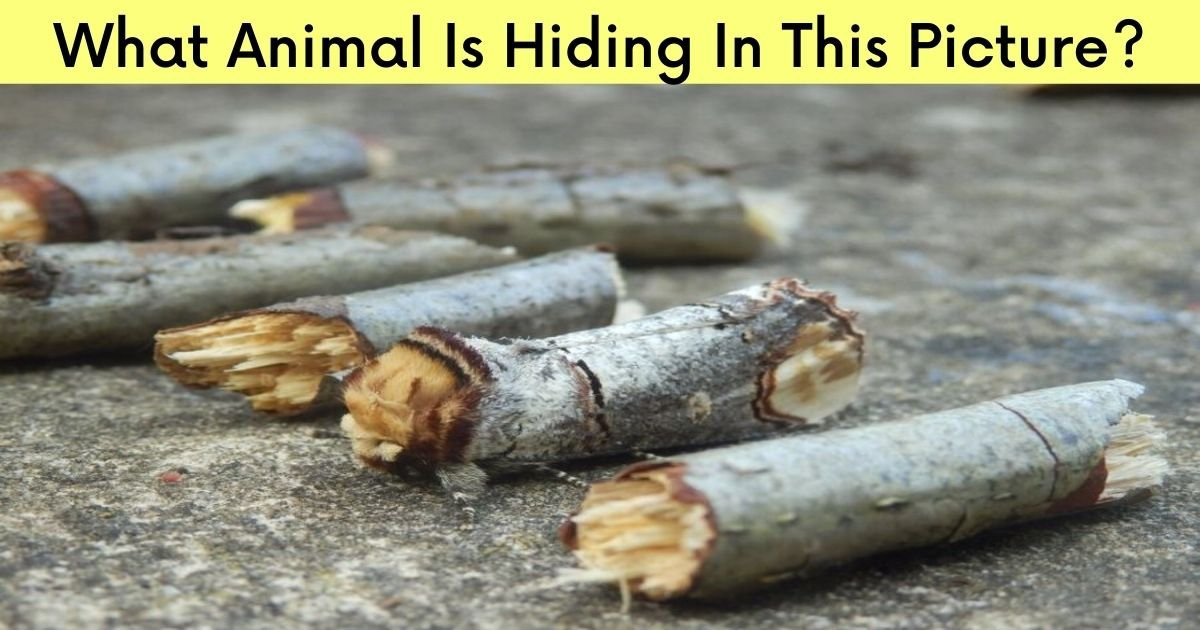
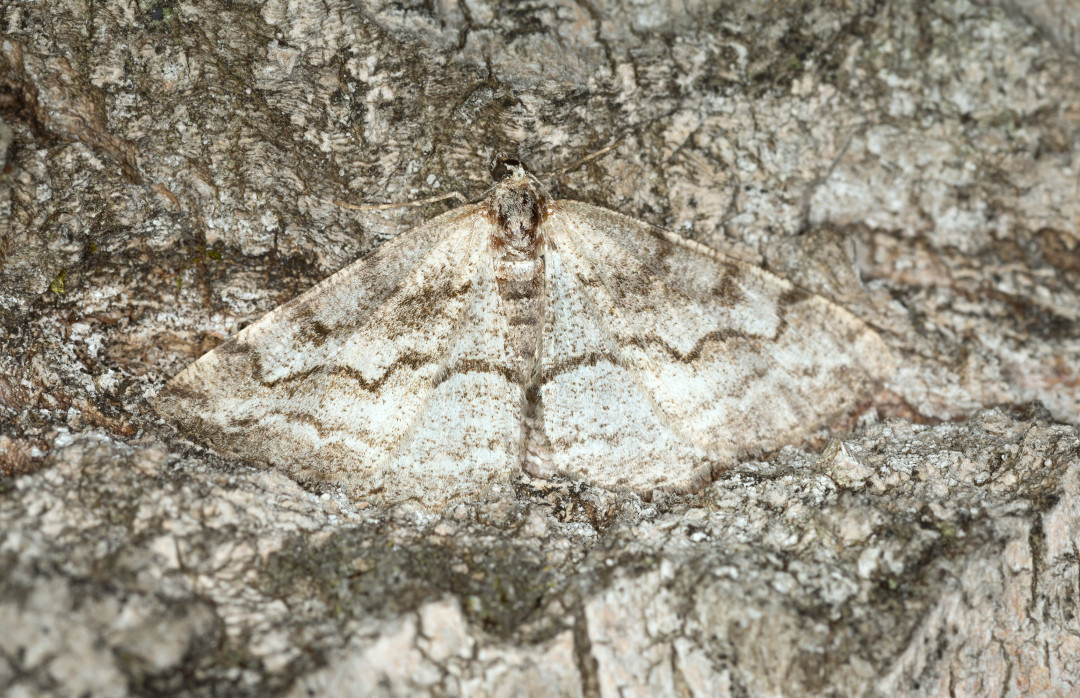
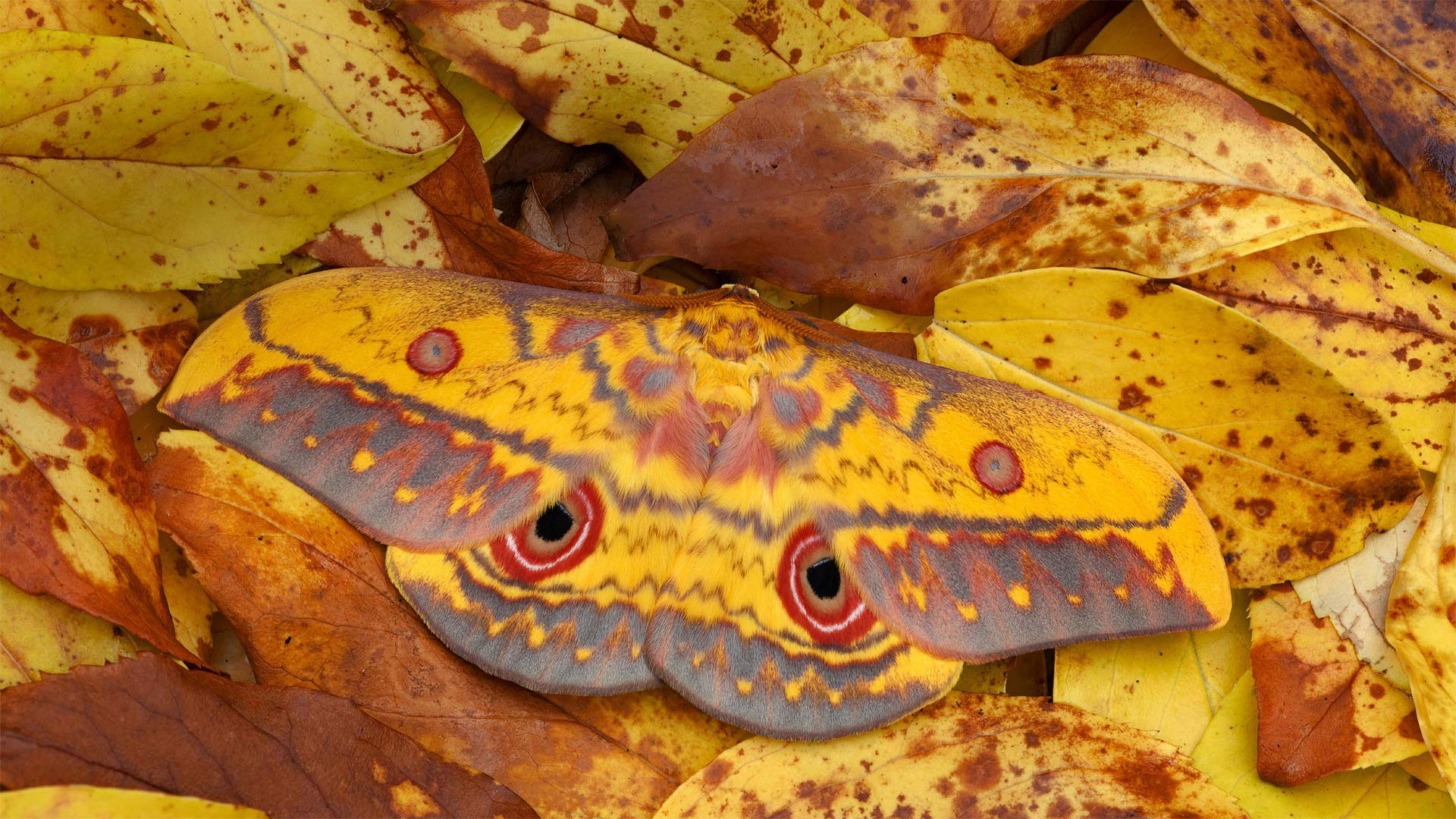
Continuing on this month's theme of stealth and camouflage, here are three incredible images of moths who are masters of the art of disguise. (Click on image to view full size.)
You may also wish to view a related video: zafoid.com/video/view/1409/camouflage-at-its-best-the-buff-tip-moth
A glass frog keeps his cool and miraculously manages to avoid a parrot snake that was actively seeking his next meal.
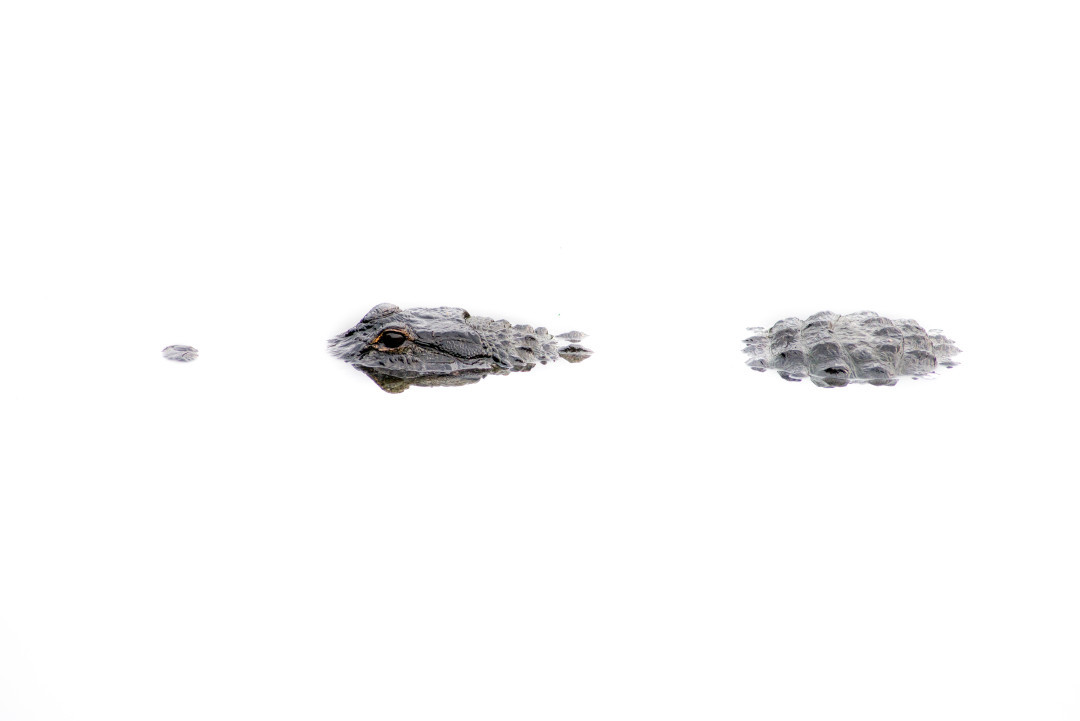
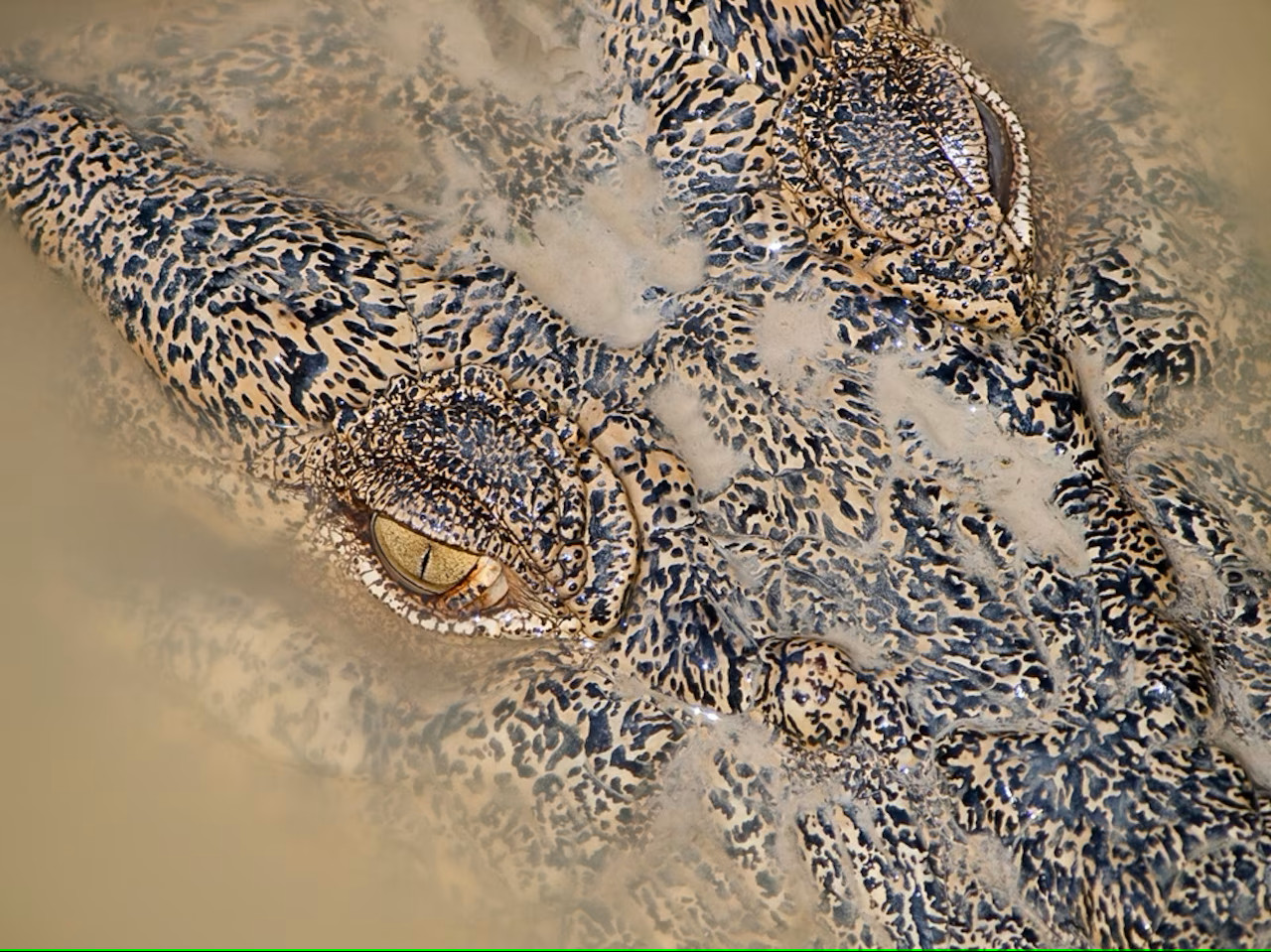
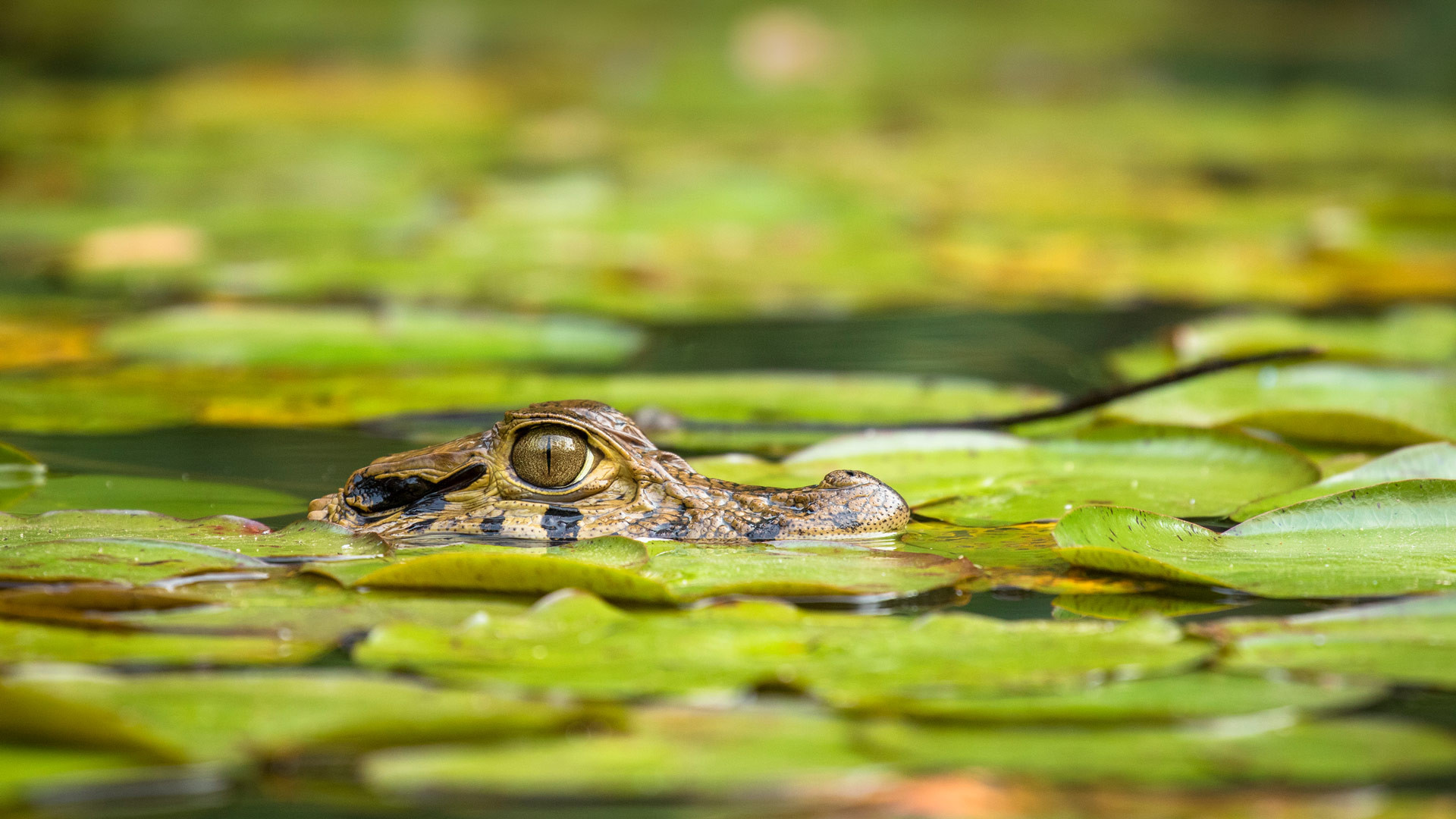
Continuing on last week's theme about the art of stealth, this post is about crocodiles and alligators, whose skill in stealth, amongst other attributes, makes them very dangerous predators. (Click on image to view full size.)
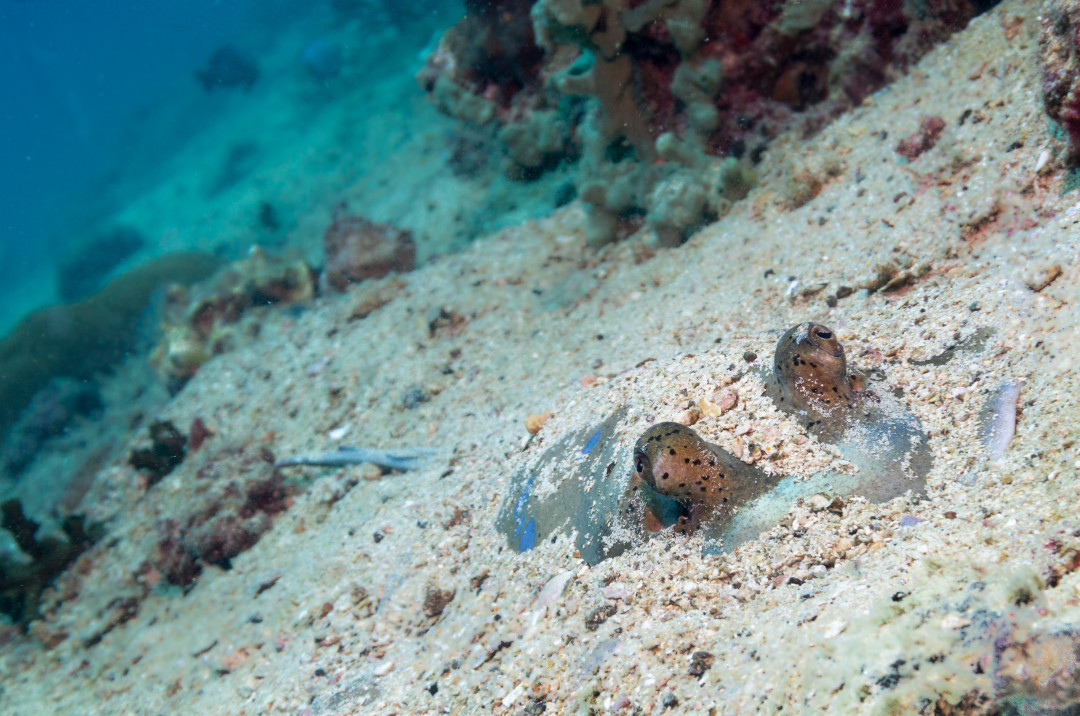
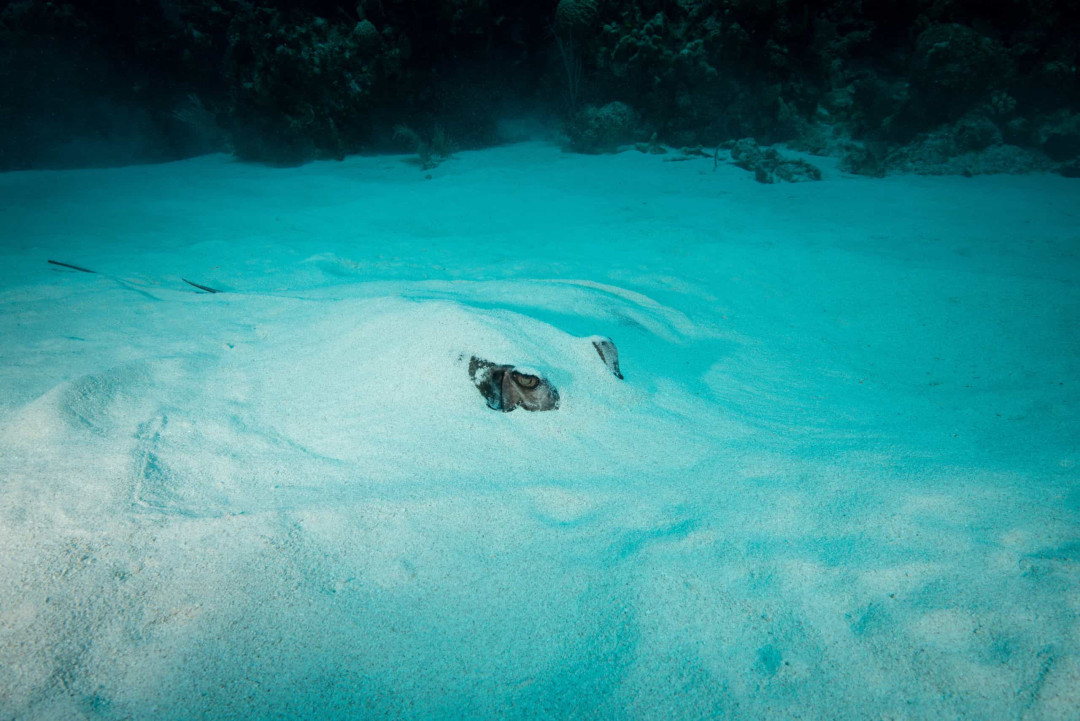
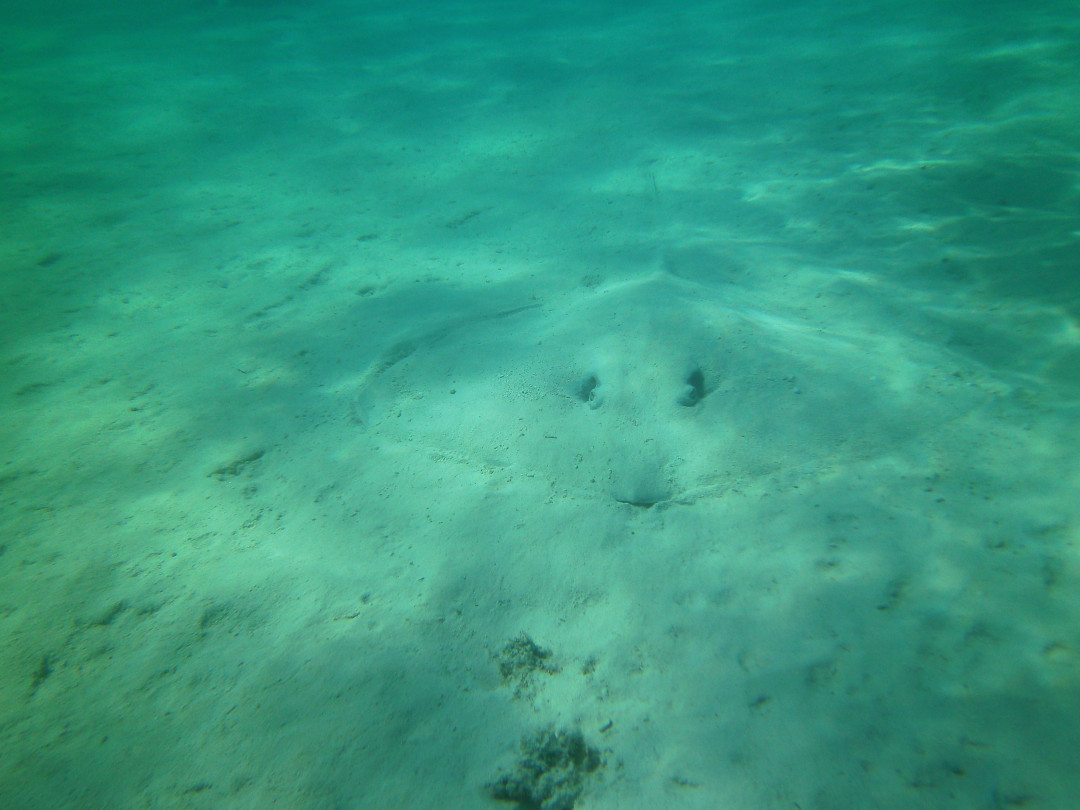
Stingrays are masters of the art of stealth, which they apply to both conceal themselves from their voracious predators (sharks, seals, sea lions and other large fish), as well as to ambush their prey (small fish, snails, clams, shrimp and other small creatures).
Pygmy marmosets (also colloquially known as 'finger monkeys') are native to rainforests of the western Amazon Basin in South America. These primates are notable for being the smallest monkeys in the world, at just over 100 g (3.5 oz). They are generally found in evergreen and river-edge forests, and are gum-feeding specialists, or gummivores.
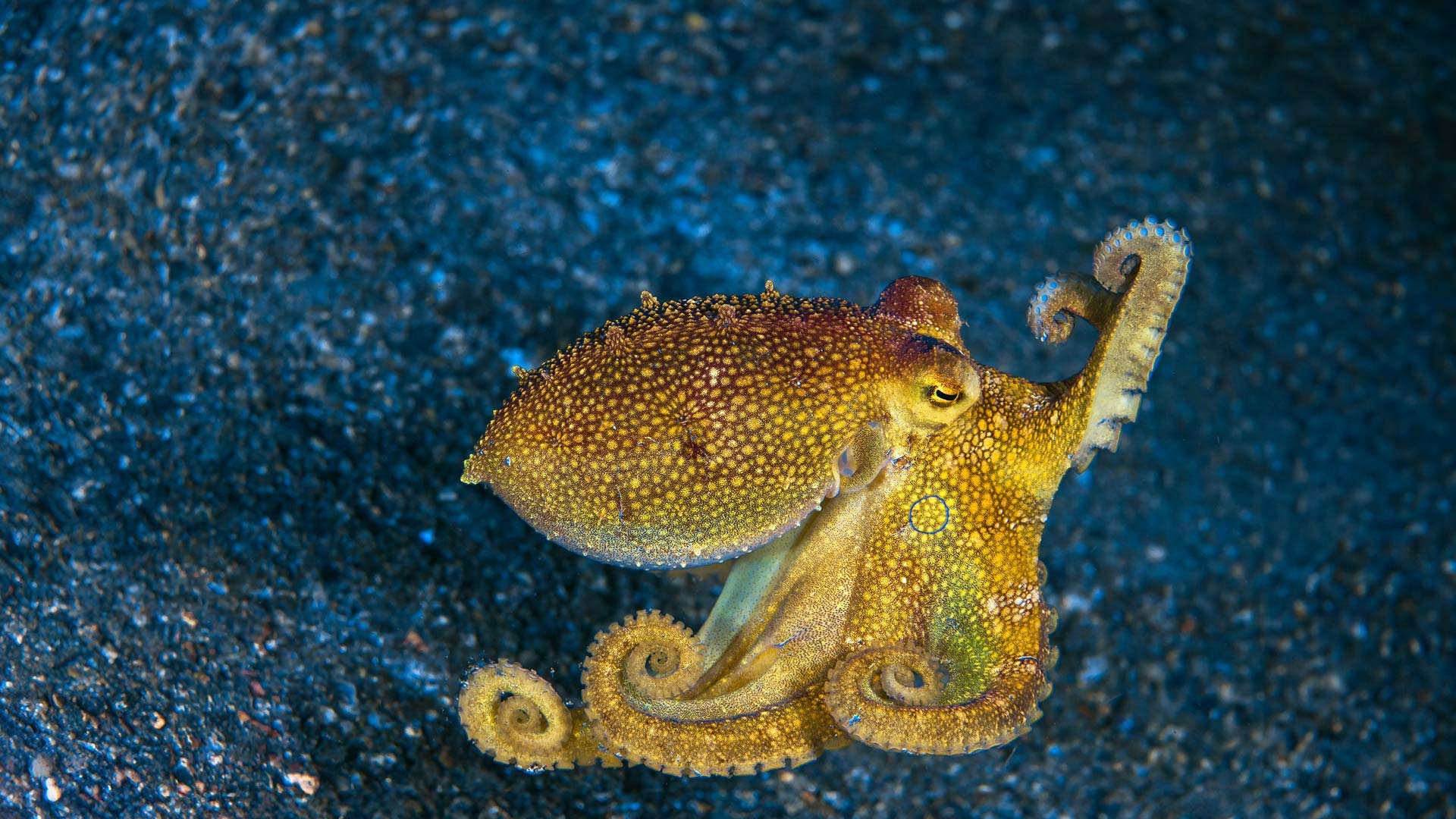
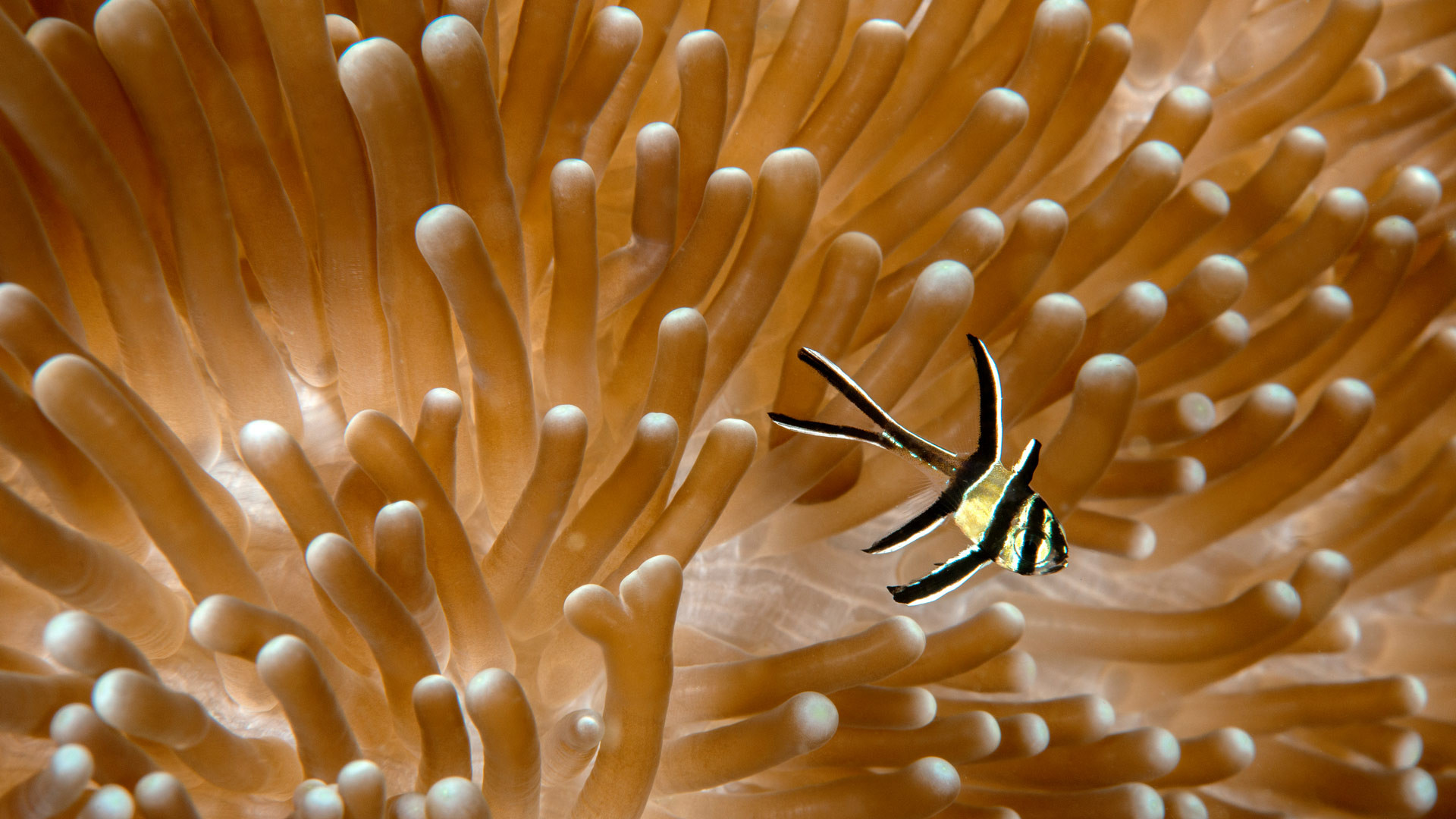
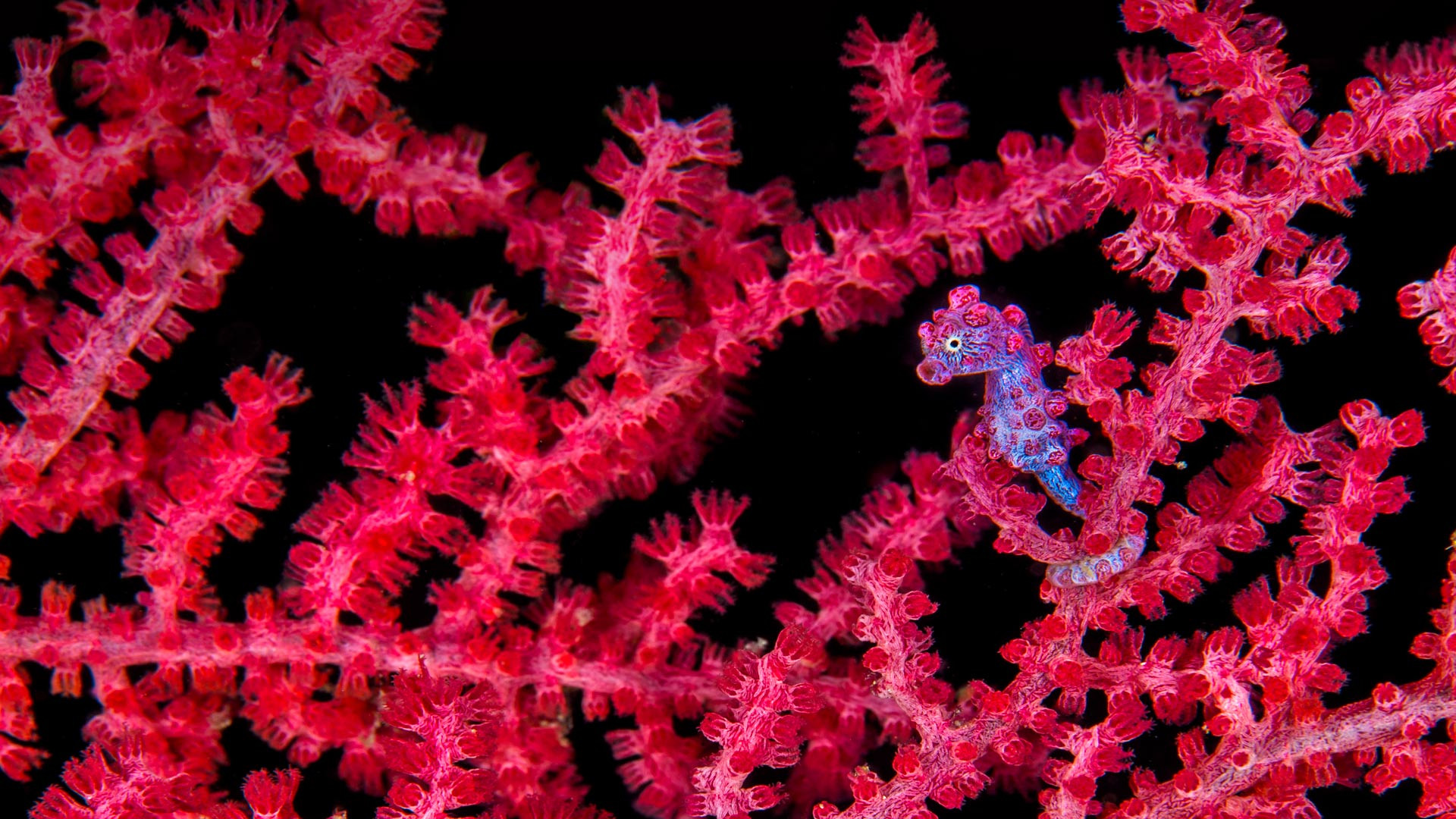
Marine creatures that inhabit the Lembeh Strait at the edge of the Molucca Sea, in Indonesia.
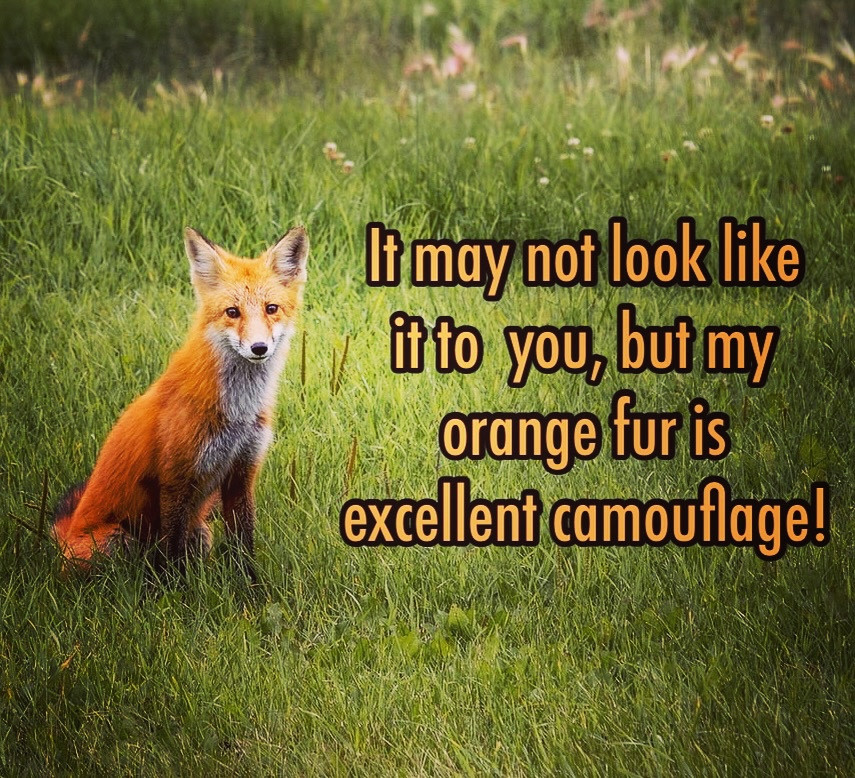
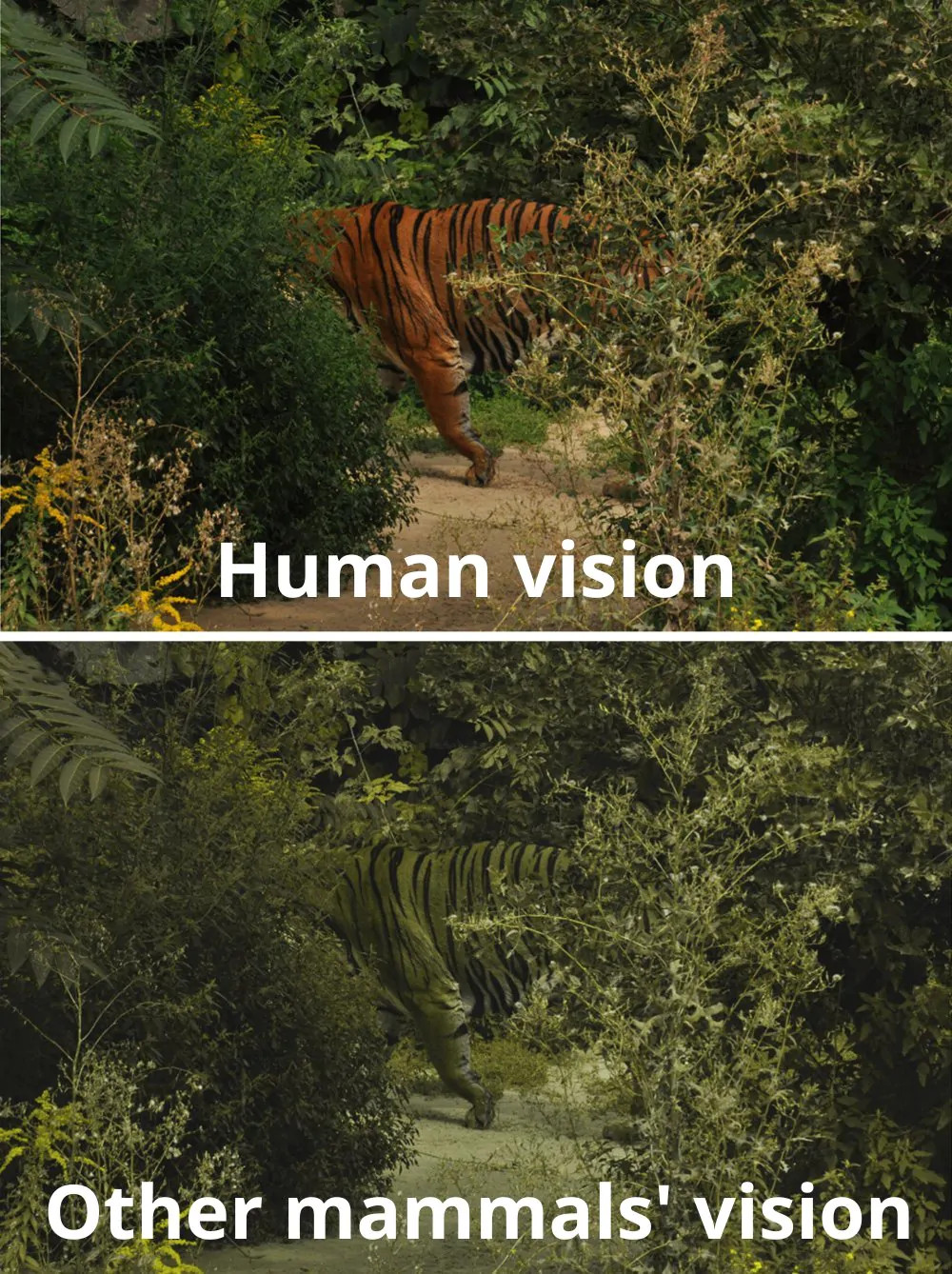
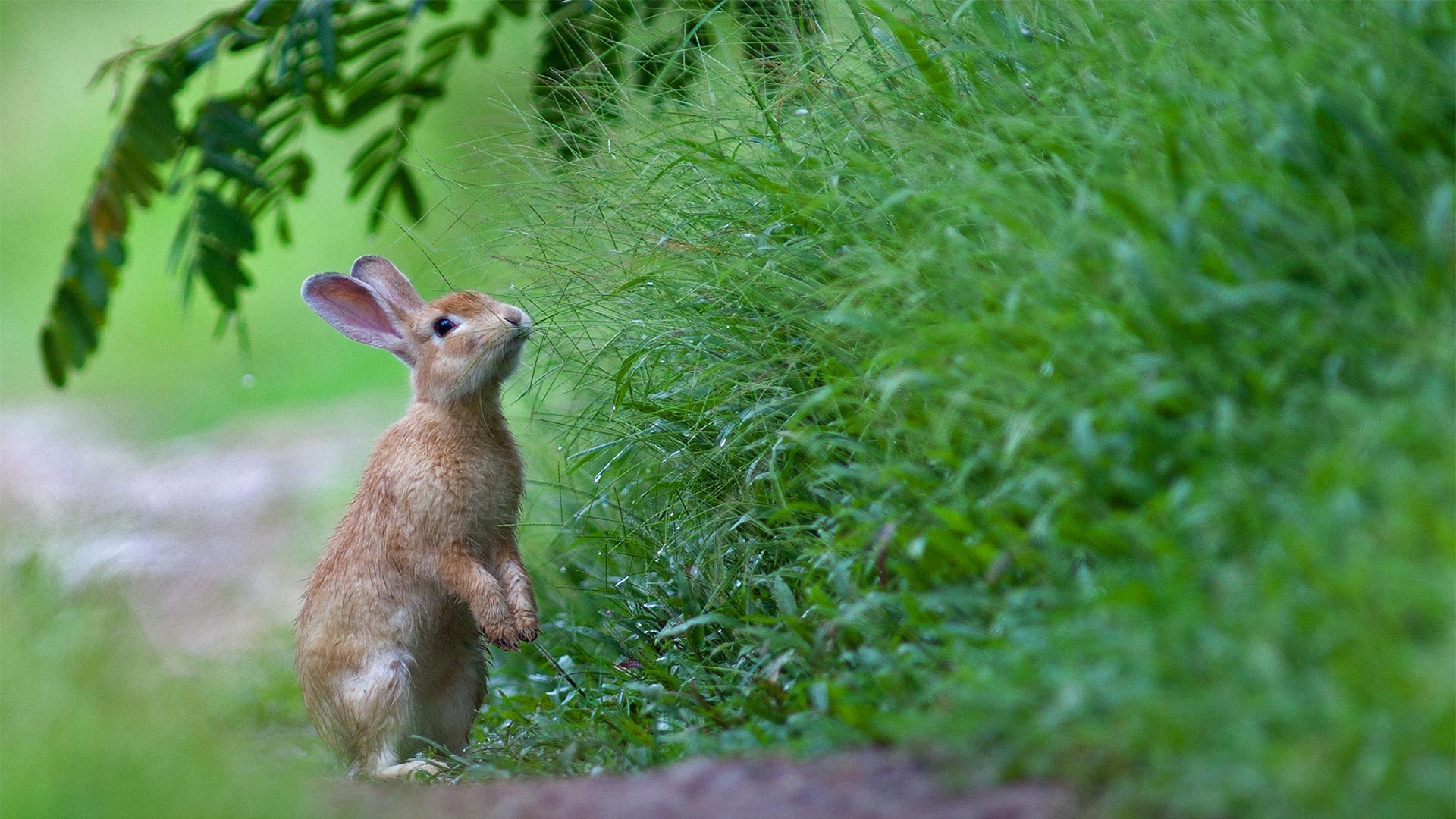
In a recent 2019 study (doi.org/10.1098/rsif.2019.0183), researchers from the University of Bristol discovered that orange fur is actually good camouflage in the wild. This is because most mammals are dichromats, meaning that they only have two colour receptors in their retina, and this makes them unable to distinguish red from green. In other words, most mammals see green instead of orange, which makes orange fur blend pretty well with the surrounding greenery.
It turns out that since no mammal has managed to develop green fur, orange fur is actually the next best-thing, as far as camouflage is concerned. Humans however are trichomats, and unlike most other mammals can pick out the orange colour with ease.
(Please click on an image to view it full-size.)