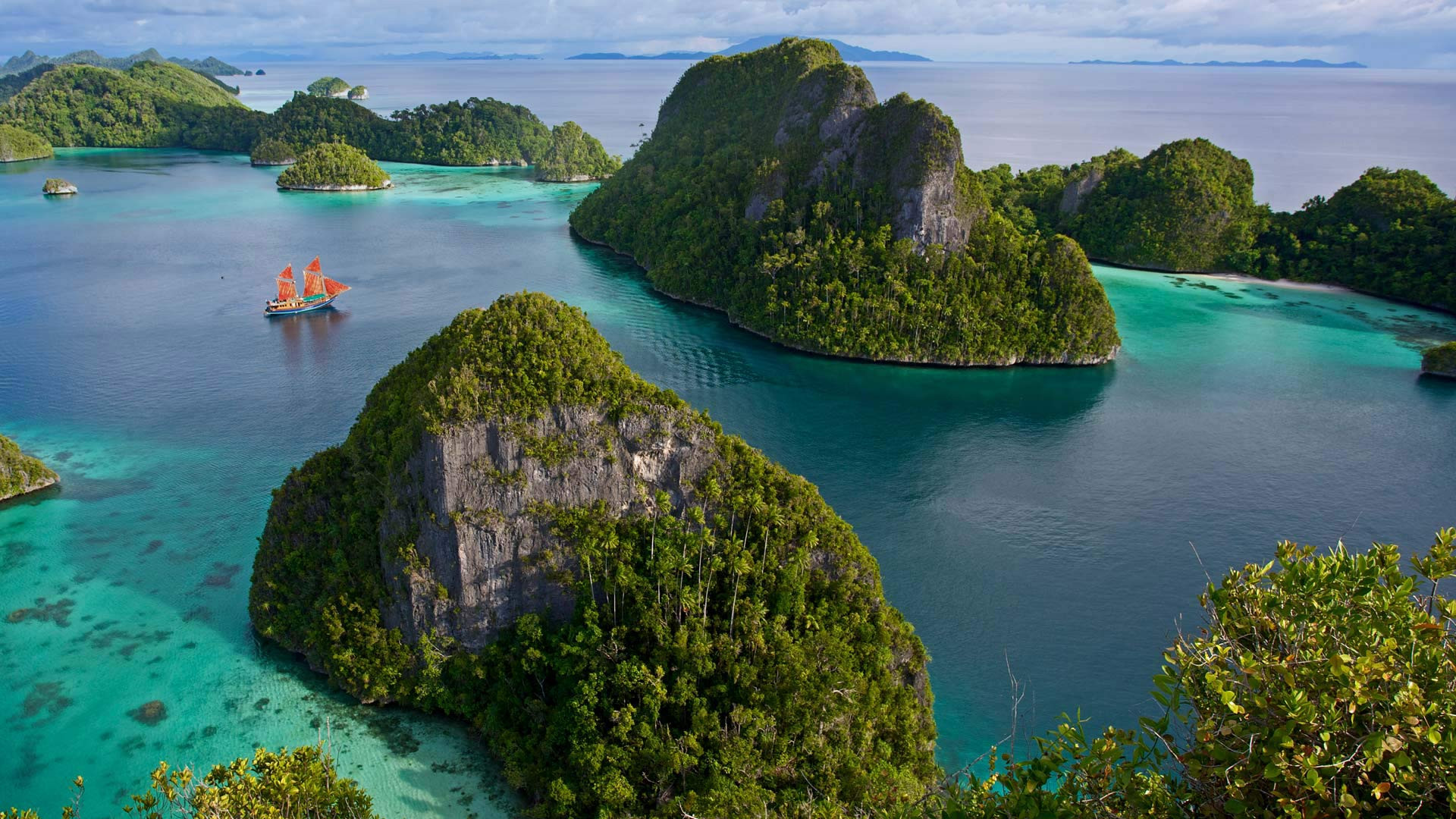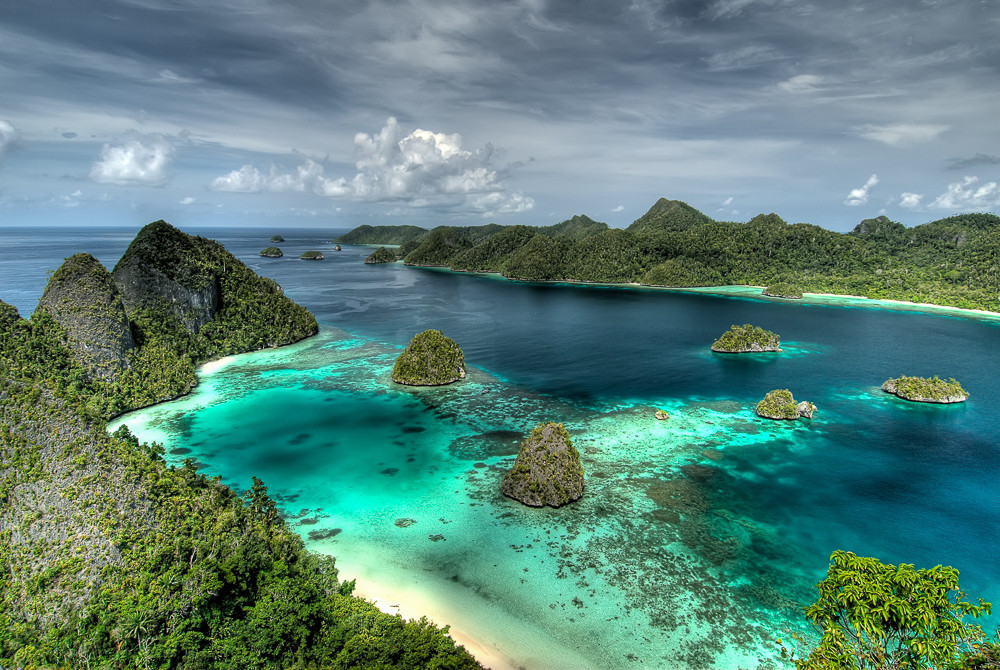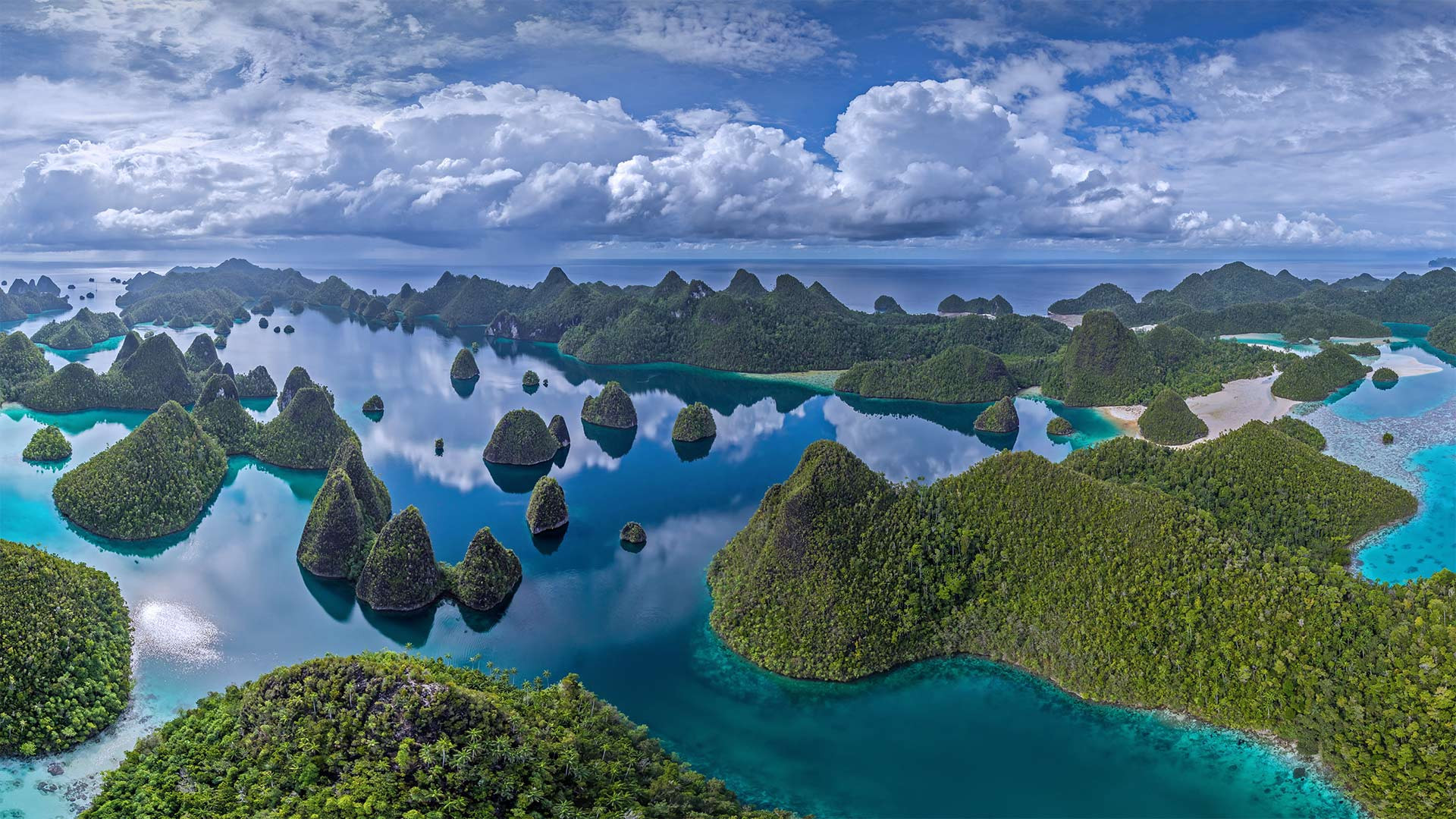
Wayag islets within the Raja Ampat archipelago, in Indonesia.
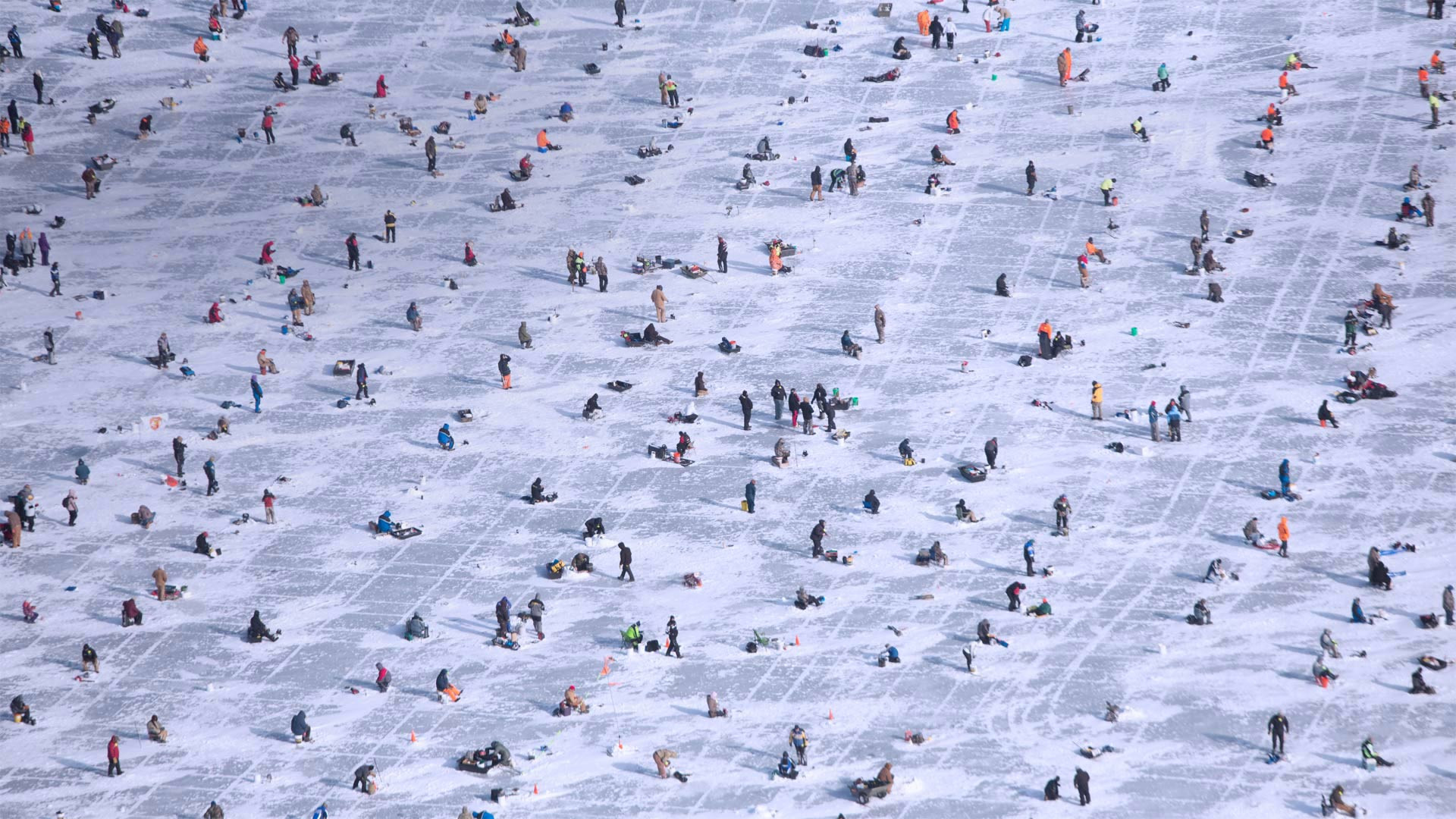
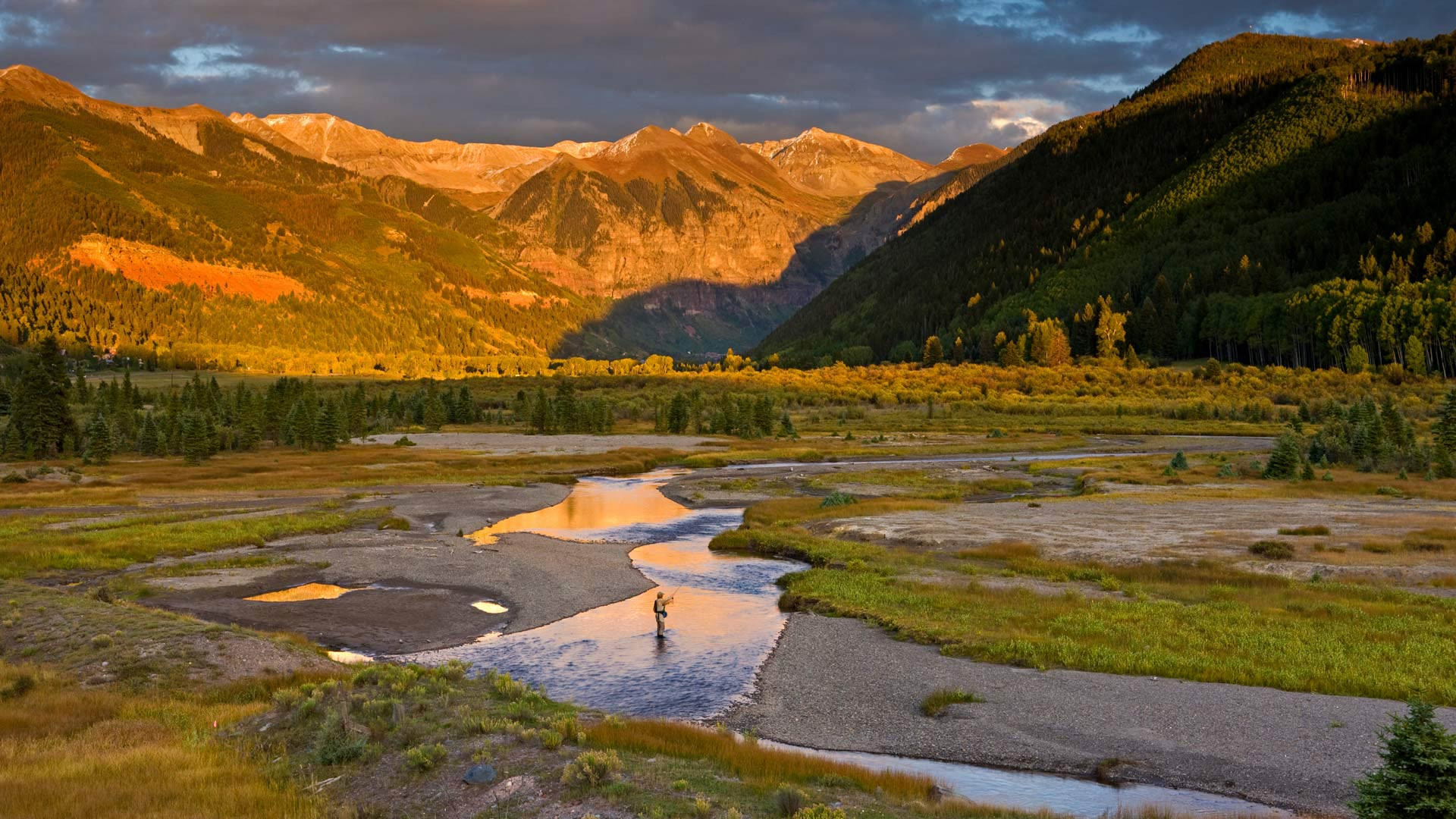
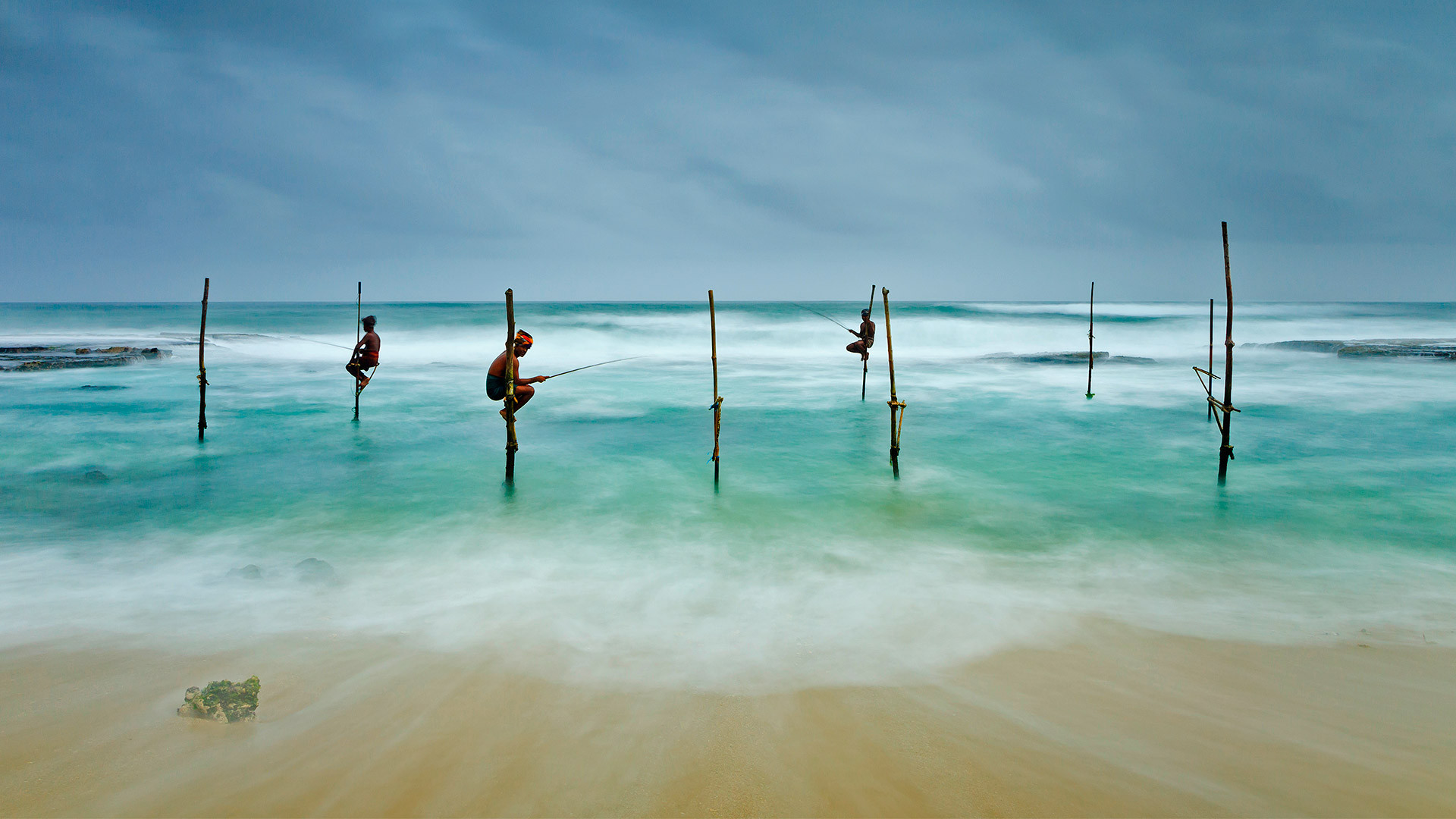
This post demonstrates three distinct types of fishing. Starting from the top, and moving in a clockwise direction, we have ice fishing on Gull Lake in Brainerd, Minnesota; stilt fishing in Koggala, Sri Lanka; and fly fishing on the San Miguel river of Colorado.
(Click on image to view full size.)
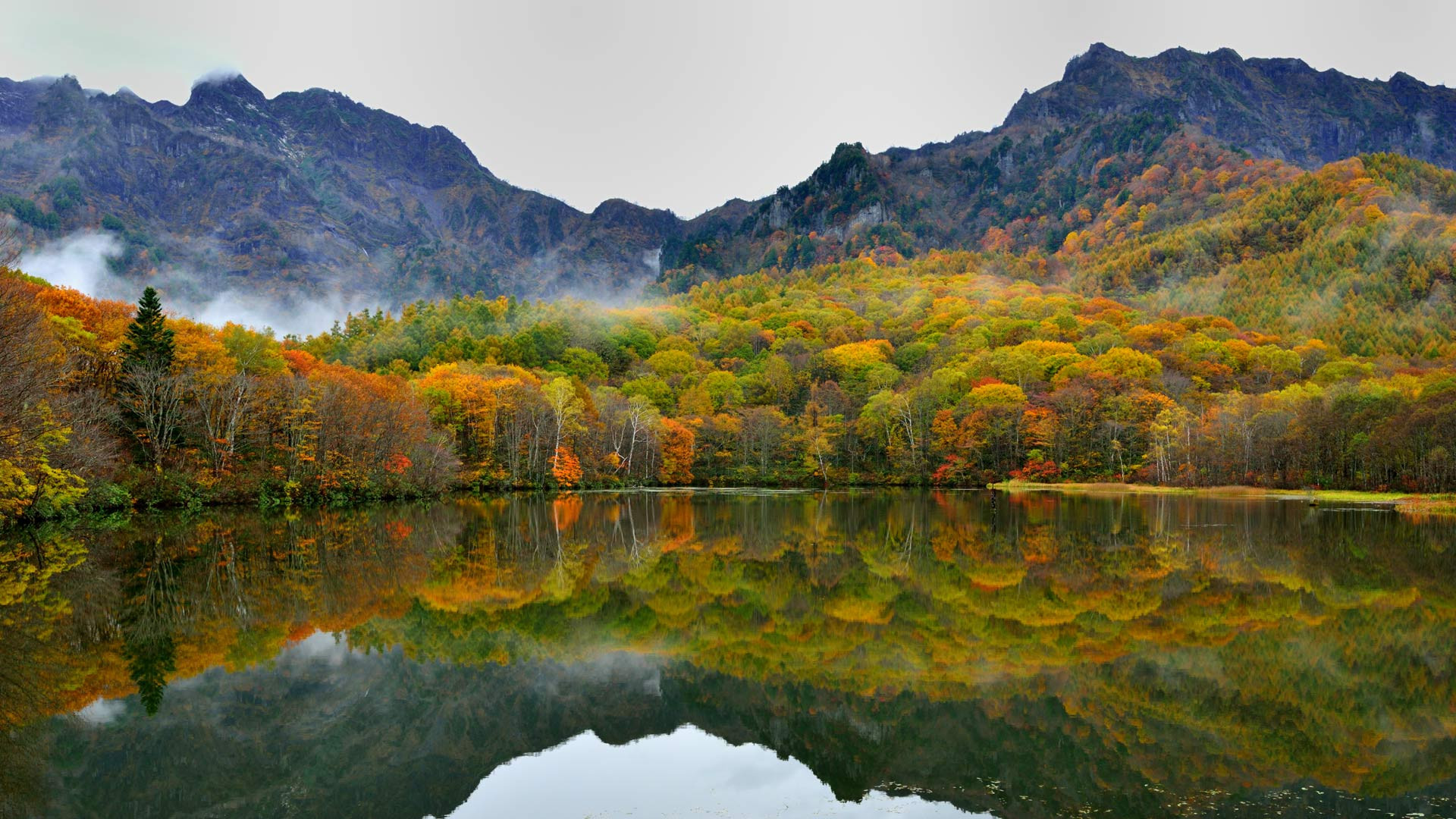
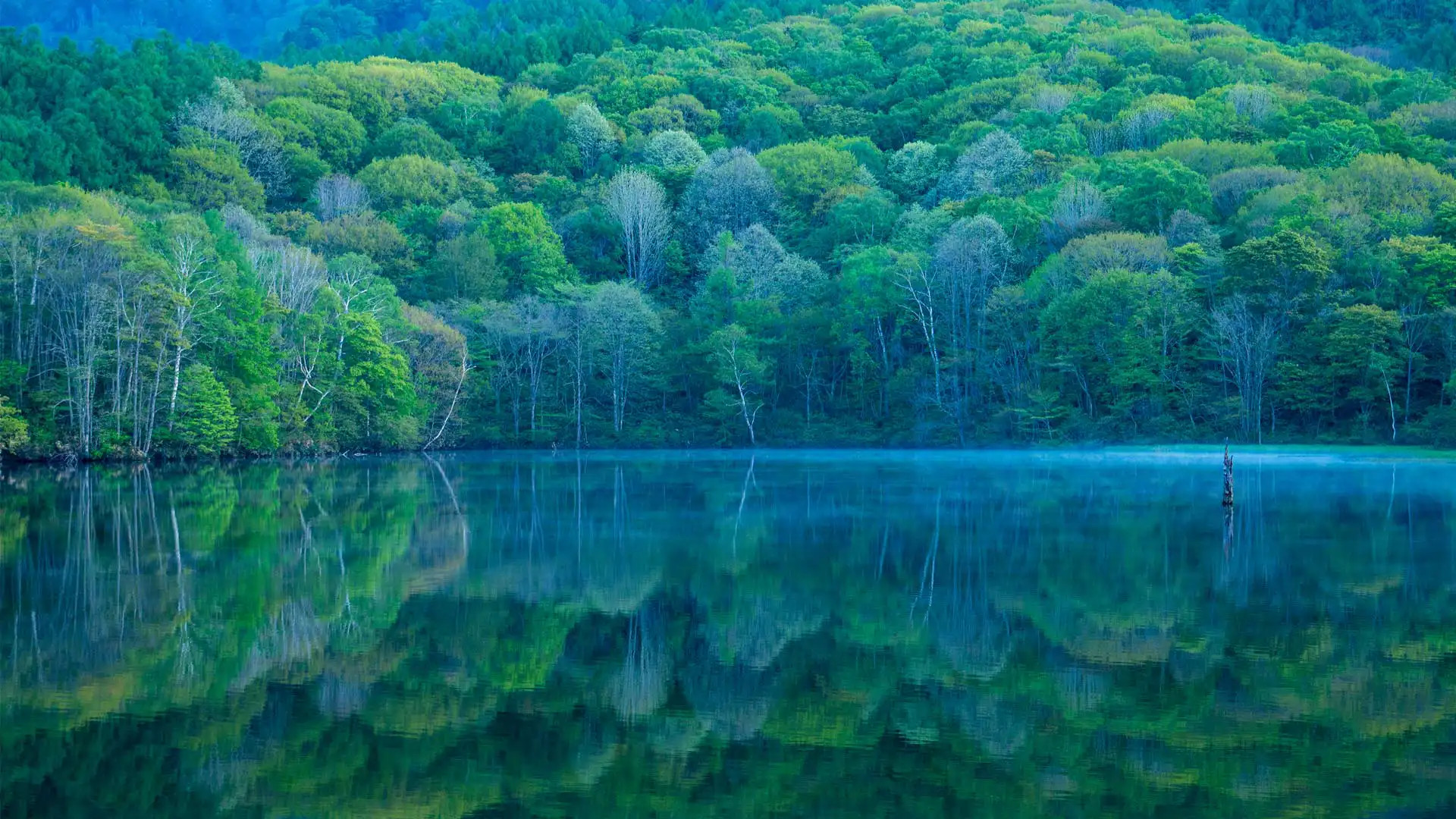
The Kagami-ike (Mirror Pond) is situated in the mountainous Togakushi area of Nagano Prefecture, at a high altitude of 1,200 meters. It is seen here during different times of the year, namely autumn, and the green season (also known as the monsoon or rainy season, which occurs in Asia between May to September-October).
As its name suggests — "Kagami" meaning mirror in Japanese, whilst "ike" means pond — this pond is particularly renowned for its crystal clear reflection, particularly that of the surrounding Togakushi Mountain Range. Additionally, the area features well-maintained walking paths that enable visitors to stroll peacefully whilst listening to the sounds of the forest.
The Kagami-ike Pond is actually an artificial, man-made lake. The Togakushi area, located in a high-altitude, cold climate, was susceptible to the challenges of heavy frost and similar agricultural difficulties. However, the clever use of this artificial reservoir helped manage water resources, enabling the cultivation of high-quality rice whilst maintaining the lush, beautiful pastoral landscapes seen today. Today, this area is a protected natural environment, serving as a vital habitat for various wildlife, including migratory birds and kingfishers.
For other posts in this group about artificial, man-made lakes, please visit:
zafoid.com/post/view/12156
zafoid.com/post/view/9118
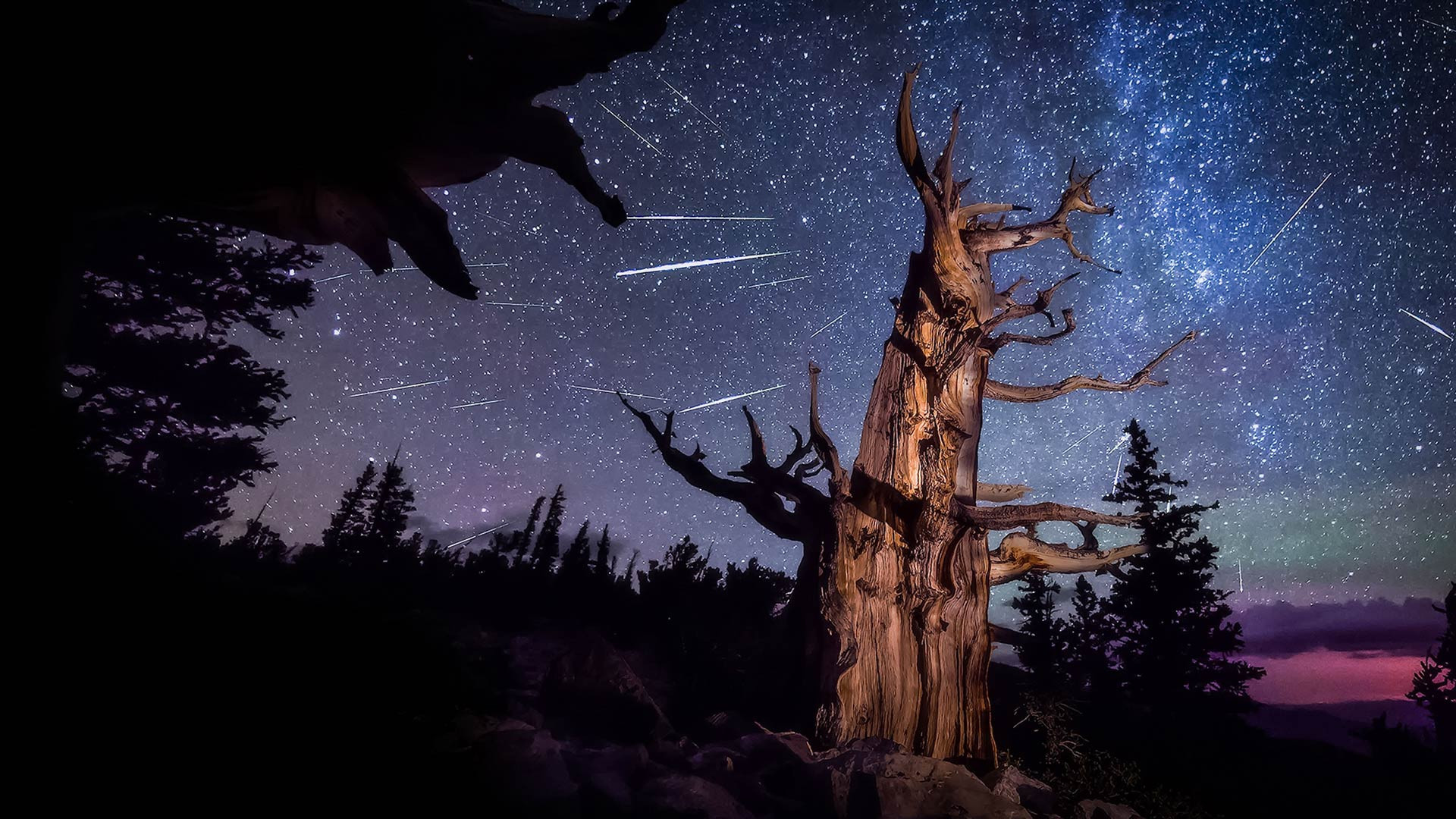
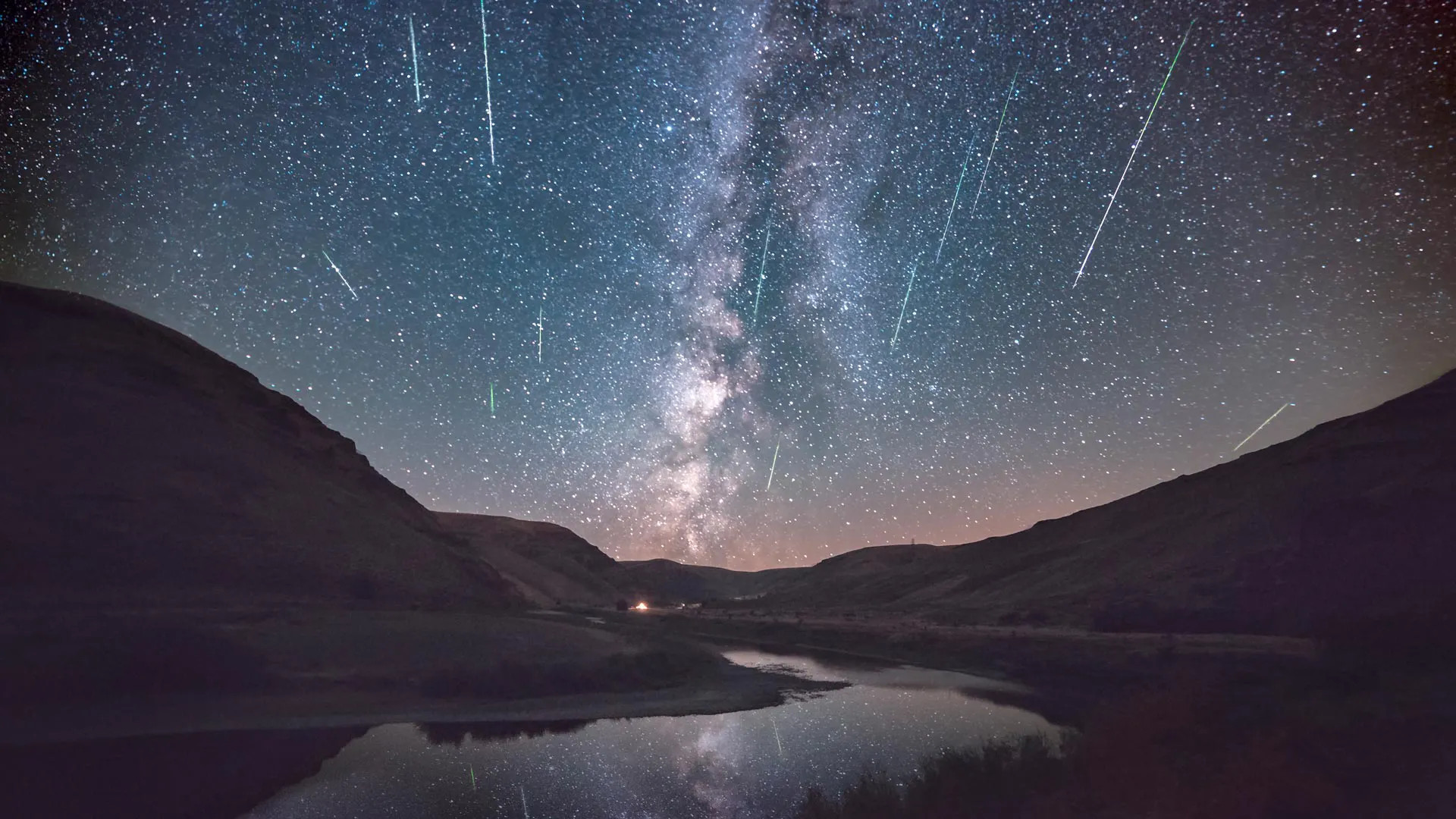
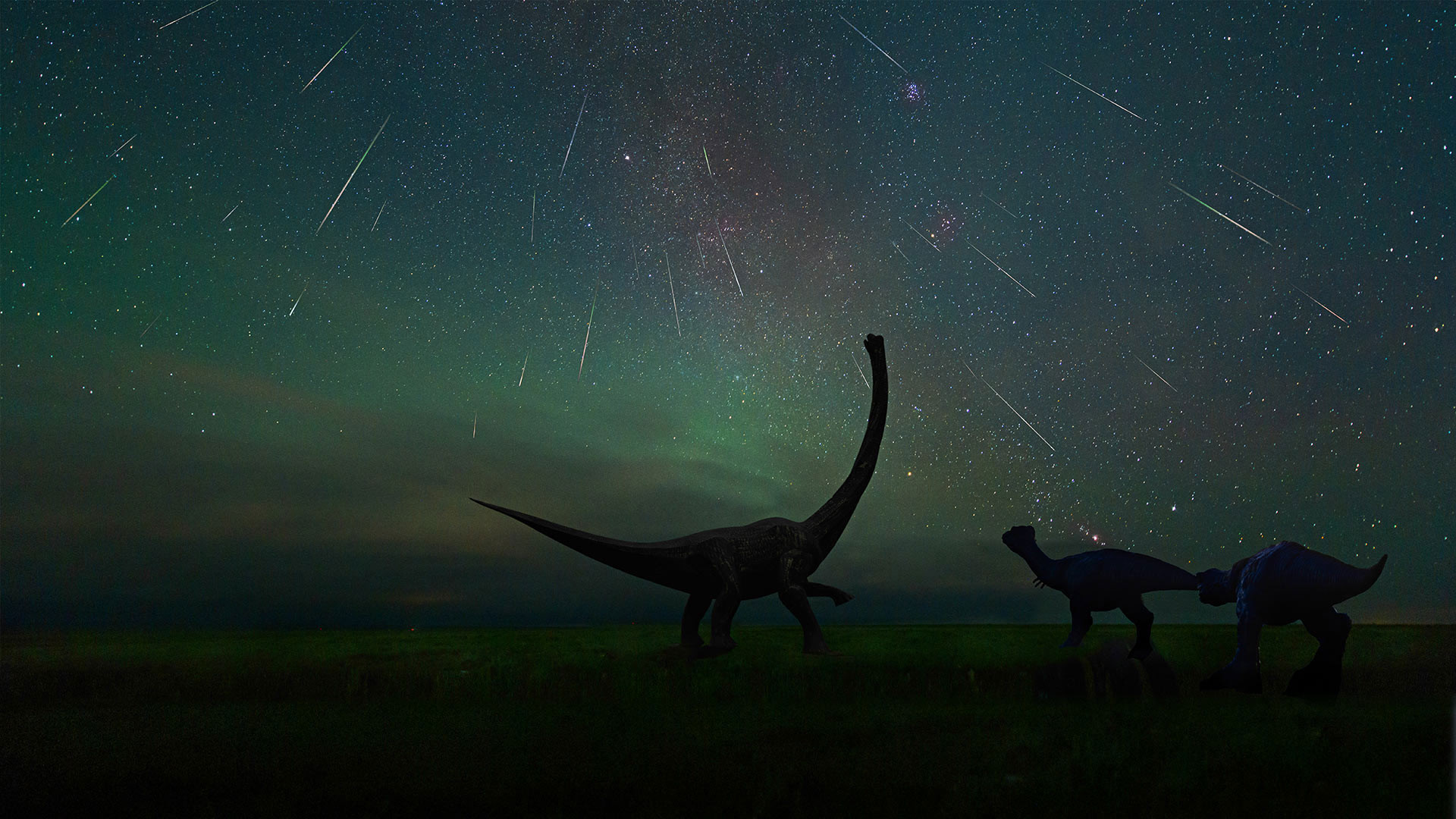
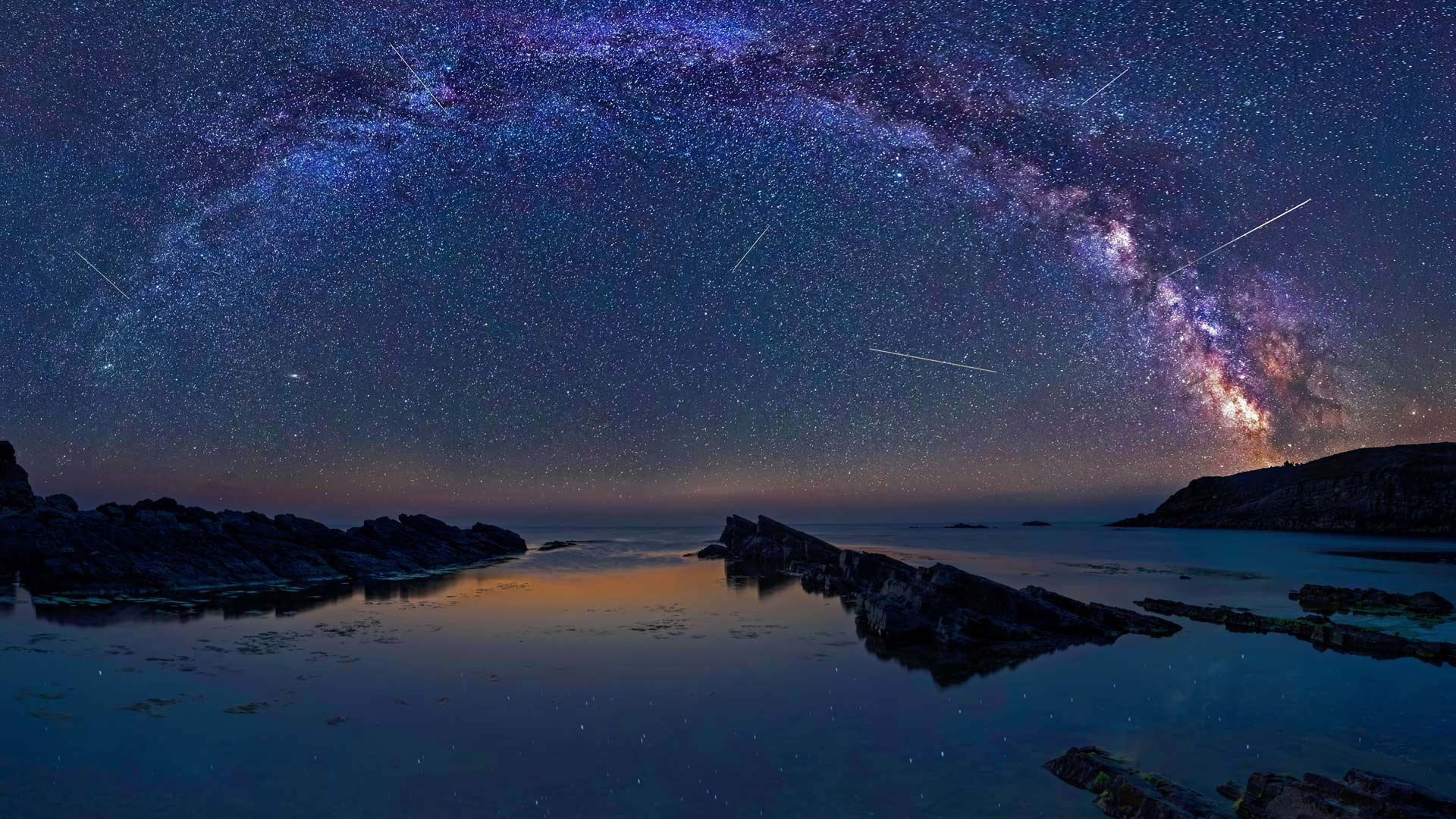
Every year, from mid-July to late August, the Perseids light up the night sky, peaking around August 12–13. Under dark skies, they frequently discharge dozens of meteors within the space of an hour, and are visible over most of the planet. Each streak typically lasts less than a second.
These meteor showers are called Perseids because they appear to be coming from the constellation of Perseus. However it was discovered in 1866 that these meteor showers actually originate from the debris shed by the Comet Swift-Tuttle, and occur when the Earth passes through its lingering dust trail.
PS. In case that you're wondering, the dinosaur in one of these images is from the Dinosaur Museum of Erenhot, in Inner Mongolia, China.
Eternal Flame Falls, at Chestnut Ridge Park in New York, is a small waterfall in front of a small grotto that emits natural gas, which can be lit to produce a small flame. This flame is visible nearly year round, although it can be extinguished and must occasionally be re-lit.
See a video clip of this amazing phenomenon here:
https://commons.wikimedia.org/wiki/File:Burning_Eternal_Flame_Falls_Chestnut_Ridge_Park_NY_2025-09.webm
Established in 1886, Yoho National Park encompasses a substantial part of the Canadian Rockies in British Columbia. "Yoho" is a Cree expression of wonder, which is exactly the reaction most people have when they arrive here.
The two images in this post show Lake O'Hara (the largest body of water) and Mary Lake (the two smaller bodies of water visible in the lower-left corner), as seen from the Opabin Plateau vantage point, during both the winter and the summer seasons (with the Canadian Rockies in the background).
Mary Lake is named after Mary Schaffer (1861-1939), a pioneer botanist and explorer, painter and photographer, who was also an enthusiastic explorer of the Canadian Rockies; whilst Lake O'Hara was named after Lieutenant-Colonel Richard O'Hara (1835-1924), who probably was the first to visit the lake as a tourist in 1889, though he did not discover it.
For other posts concerning British Columbia within this group, you may wish to view:
zafoid.com/post/view/3504
zafoid.com/post/view/1494
Sun halo over Lake Antermoia in the Dolomite Mountains of Italy. Sun halos form when sunlight shines through ice crystals suspended in the upper atmosphere. When the light of the sun hits the crystals they serve as a prism, separating the light into individual colors of the spectrum, the same way rainbows occur after a rain shower.
For other images of atmospheric halos in this group, please view:
zafoid.com/post/view/12634
zafoid.com/post/view/12624
zafoid.com/post/view/3110
Hang Sơn Đoòng, the world's largest cave, discovered in 1991, located in what is now Phong Nha-Kẻ Bàng National Park, in Vietnam.
Vietnam has previously been mentioned in this post within this group: zafoid.com/post/view/7808
Eastbourne Pier, a Victorian marvel built for oceanside pleasure, that opened its doors to the public on 13th June, 1870, in East Sussex, England.
For other posts in this group featuring piers, see:
zafoid.com/post/view/6763
zafoid.com/post/view/2368
The United Kingdom is home to several Neolithic stone circles. Shown here, starting from the top and moving anti-clockwise, are monliths from the Ring of Brodgar at Orkney Islands, monliths from the Castlerigg Stone Circle in Cumbria, and the Hurlers in Minions at Cornwall.