The classification of living things into animals and plants is an ancient one, and goes back to Aristotlean (384–322 BC) times. Closer to our era, Carl Linnaeus (1707–1778), who laid the foundations for modern biological nomenclature in 1735, also distinguished betwen two kingdoms of living things, namely the animal kingdom, and the plant kingdom. Carl Linnaeus originally grouped fungi with plants because both are rooted, generally immobile, and have similarities in general morphology and growth habit.
However, with the advent of molecular analysis, scientists discovered that the cell walls of fungi were made up of chitin rather than cellulose, and additionally fungi did not carry out photosynthesis. Subsequently, Robert Whittaker proposed, in a landmark paper published n 1969, that there are actually five separate kingdoms of living things (Monera, Protista, Fungi, Plantae, and Animalia). The biological community was quick to adopt this proposal, and by the 1970s, it had become the standard organizational tree of life taught in textbooks worldwide, completely overturning the traditional Linnaean two-kingdom (plant vs. animal) model that had prevailed for centuries. Consequentially, fungi are now considered as a biological kingdom that is entirely separate from the plant kingdom, though the common misconception that fungi are plants still persists among the general public .
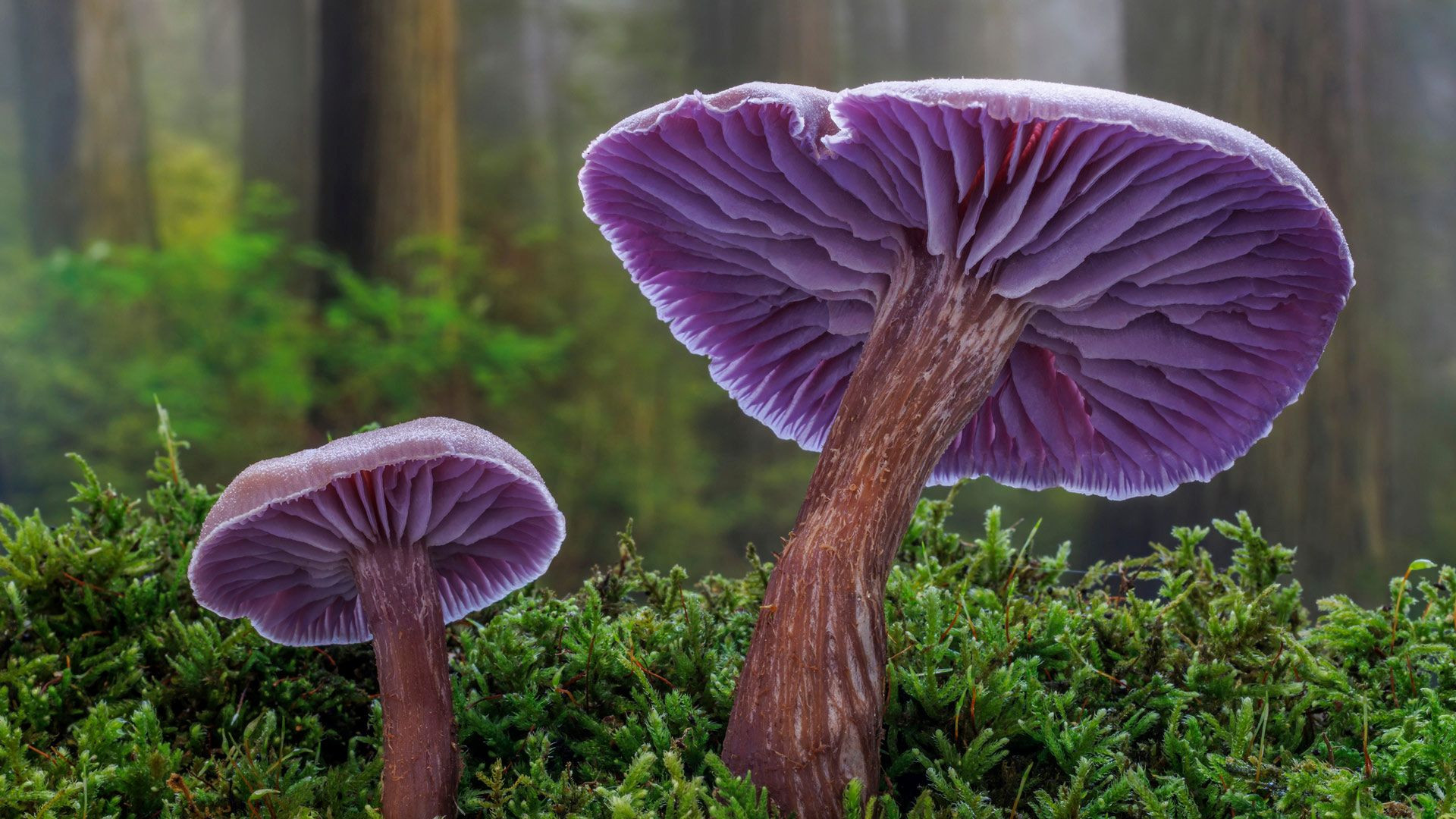
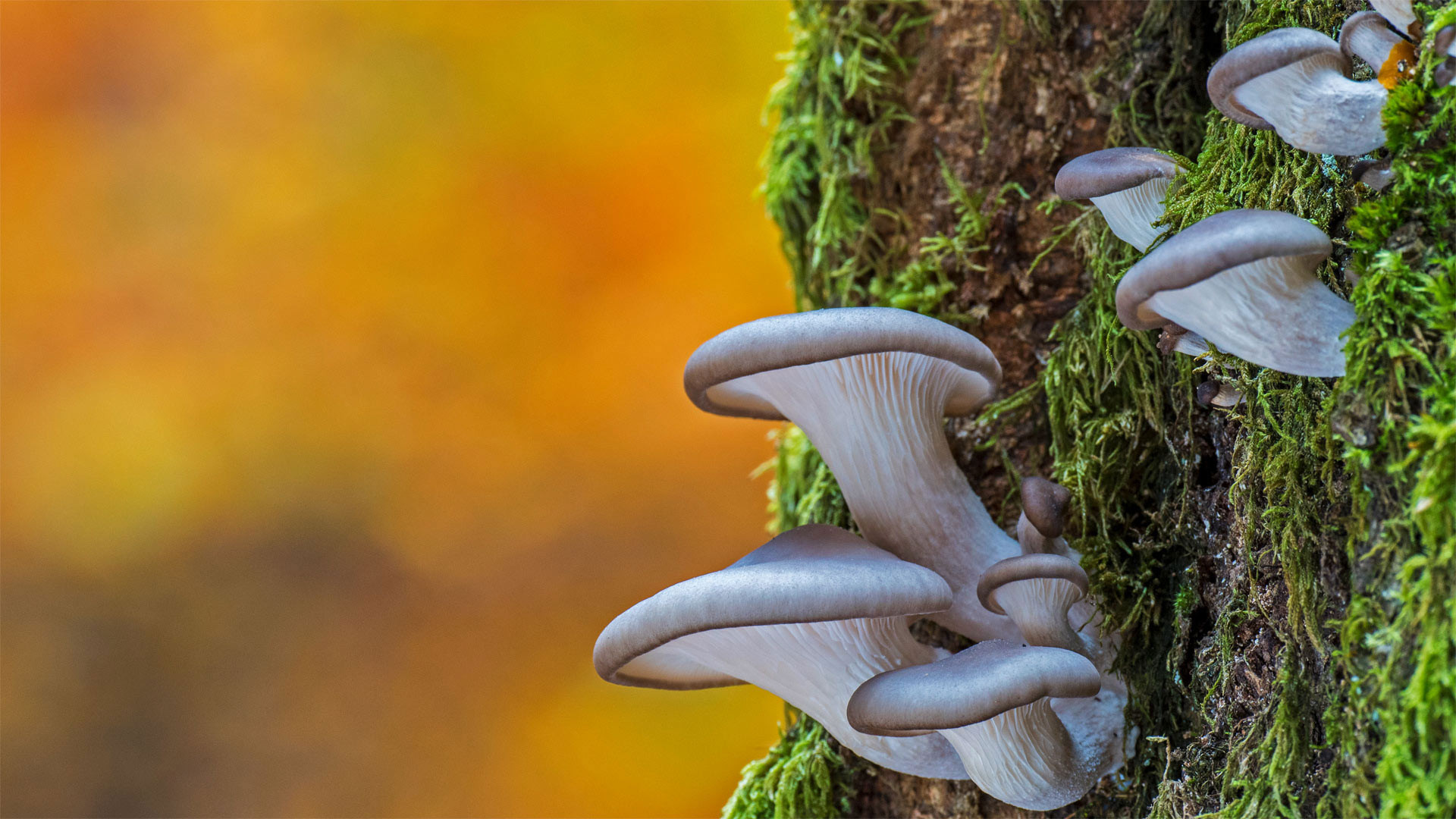
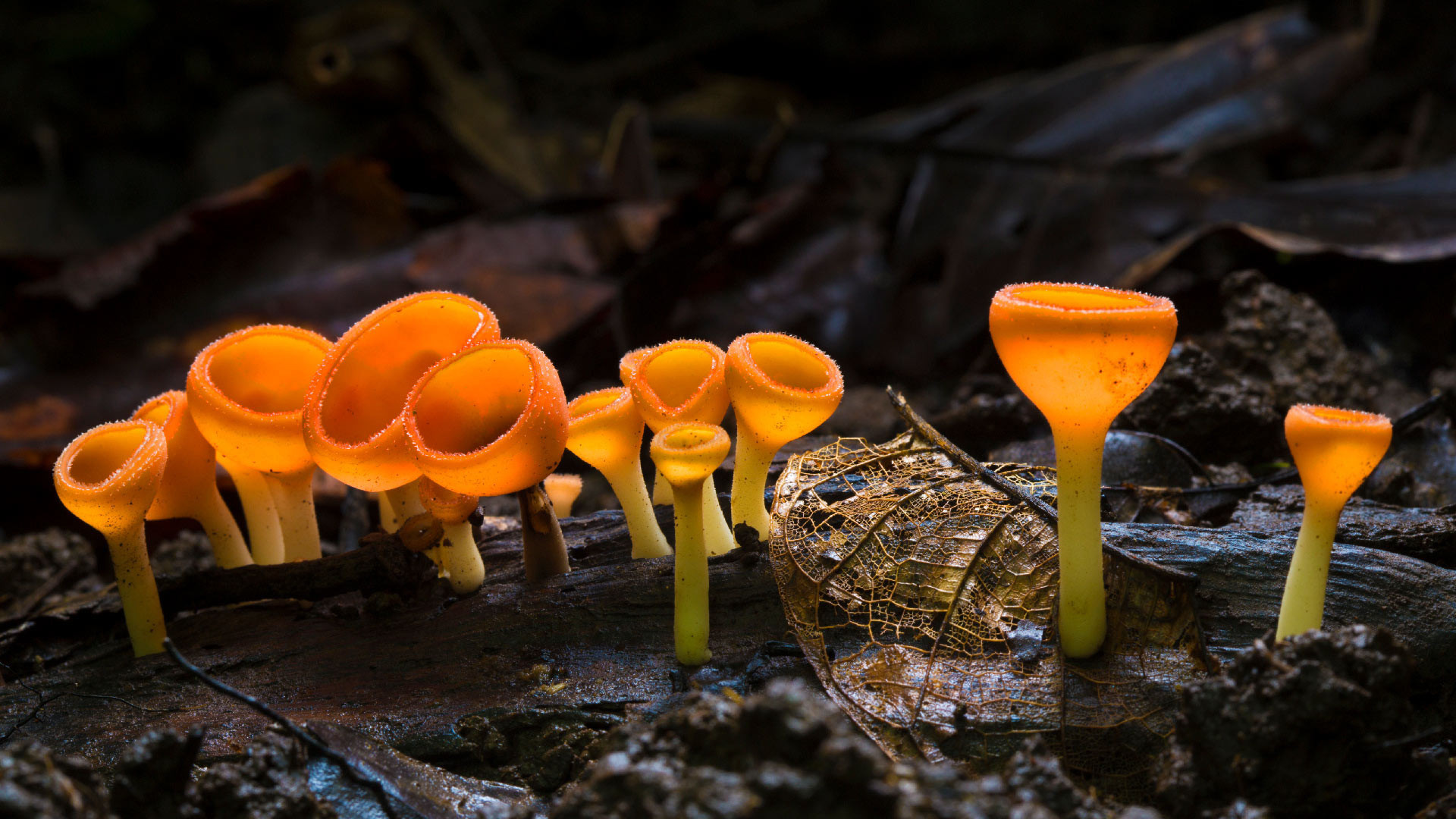
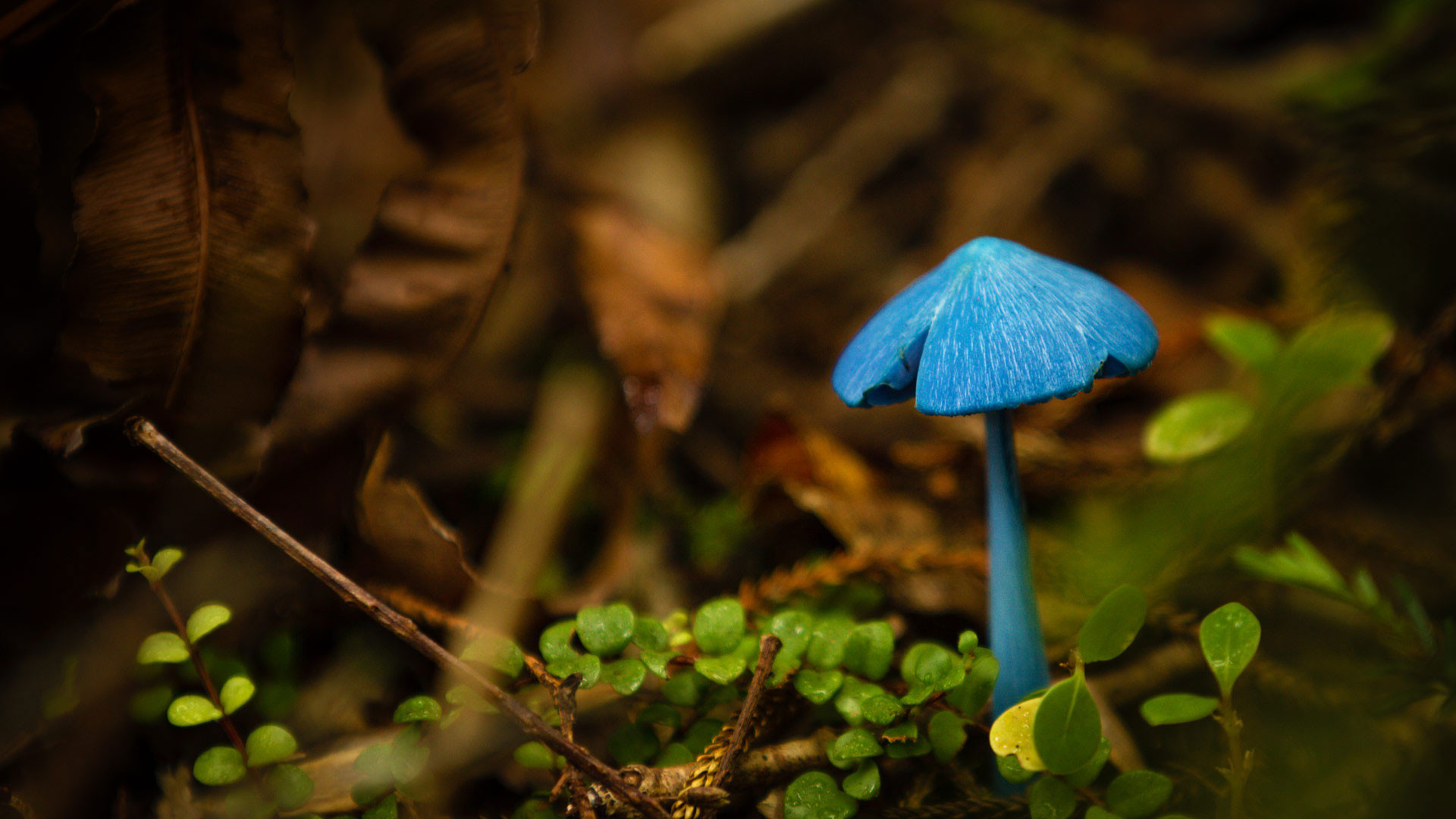
The biological kingdom Fungi incorporates yeasts, moulds and mushrooms. Whilst in the past, mycology was regarded as a branch of botany, it is now known that fungi are actually genetically more closely related to animals than to plants. Abundant worldwide, most fungi are however inconspicuous owing to their small size.